Keef the Thief: A Boy and His Lockpick and the Joy of Being Bad
Released in 1989 and published by Electronic Arts, Keef the Thief: A Boy and His Lockpick arrived during a golden stretch for computer role-playing games, when fantasy worlds were expanding beyond simple mazes into places with personality, jokes, and side streets worth snooping down. This game leans into a playful sword-and-sorcery parody: the setting feels familiar at first glance, but the writing keeps undercutting heroics with sly humor, as if the world itself is winking at your ambitions. Underneath the comedy sits a surprisingly structured RPG/adventure hybrid, where your choices about money, reputation, and risk shape how confidently you move through its streets, wilderness, and danger zones.
Loot, Locks, and Laughs in Keef the Thief’s Fantasy RPG World
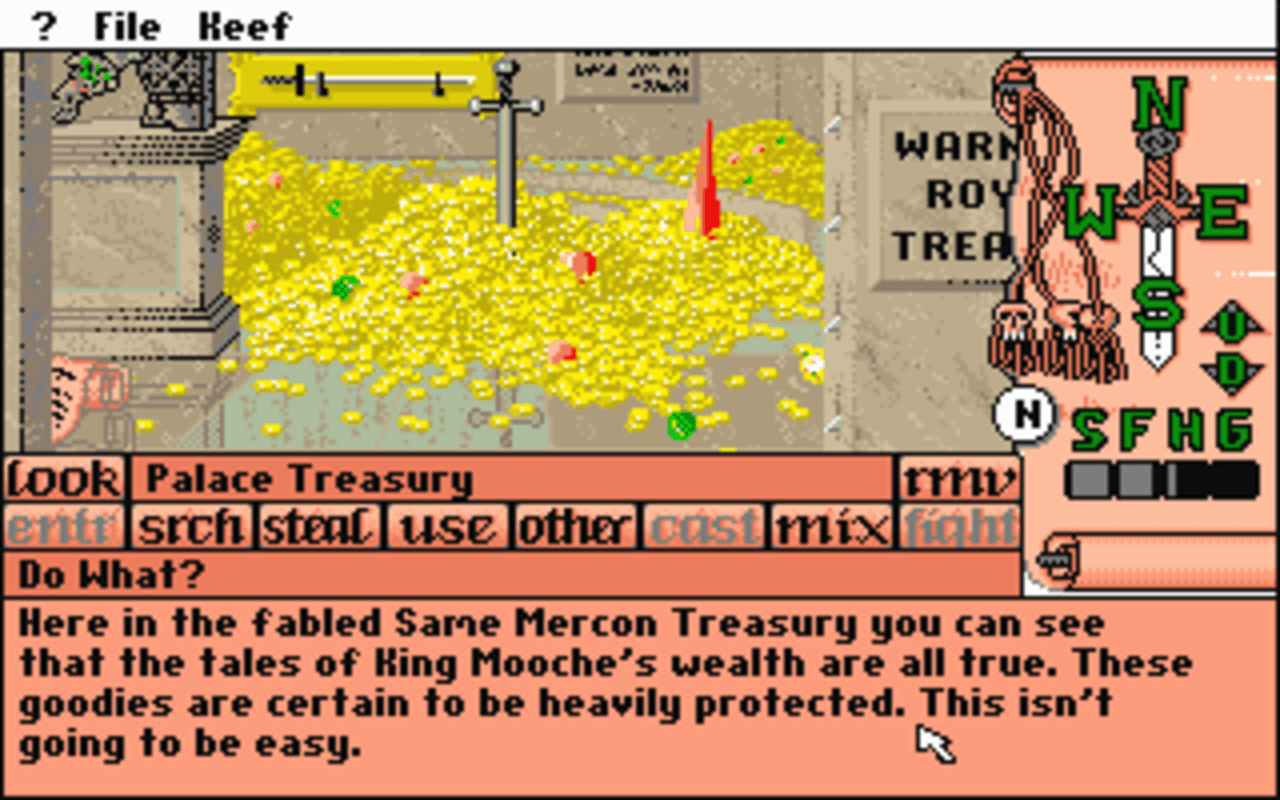
Keef is not a chosen one, and the game never pretends otherwise. You’re a thief with a talent for getting into places you shouldn’t, and the design keeps nudging you toward that identity. Shops, homes, and guarded areas feel less like scenery and more like temptations with consequences. The pleasure comes from weighing the angle: do you talk your way closer, spend what little you have to gear up, or gamble on your lockpicking skills and trust your escape plan?
That tension is where the role-playing shines. Progress isn’t only about grinding fights; it’s about building an economy of survival. A new tool, a better weapon, or simply a thicker purse can change how bold you feel about exploring. Combat exists and can be punishing, but it’s rarely the only answer, which makes Keef’s world feel more like a place you inhabit than a corridor you conquer. The humor helps, too: it softens failure and makes even small discoveries feel like you’ve uncovered a private joke hidden for nosy players.
First-Person Mischief and Point-and-Click Personality
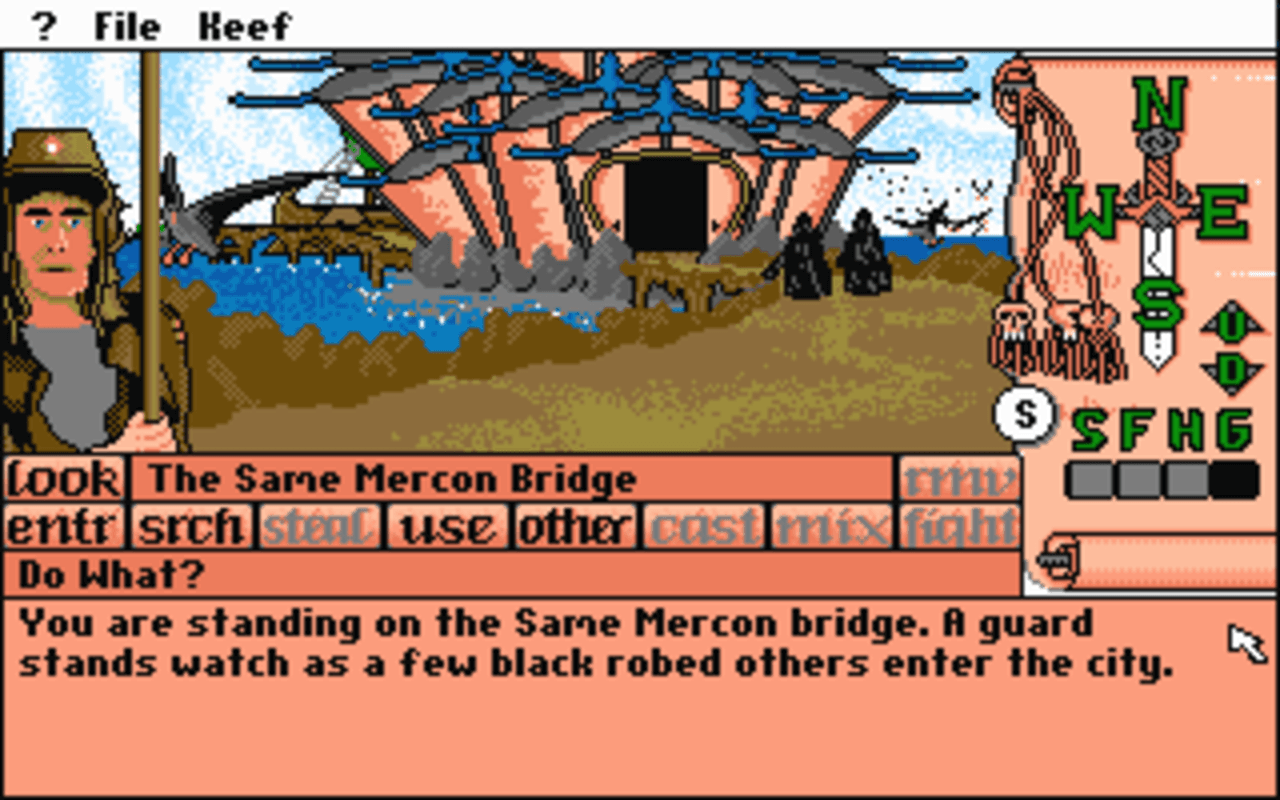
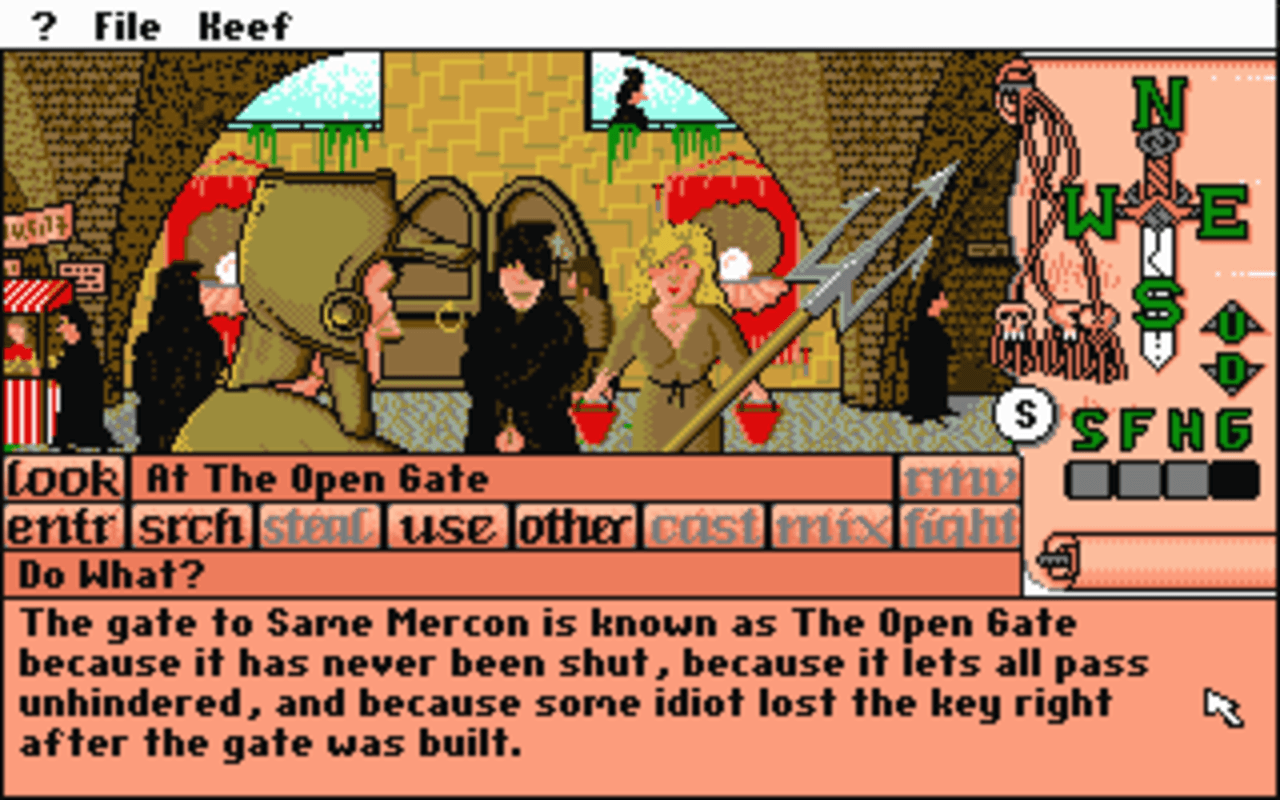
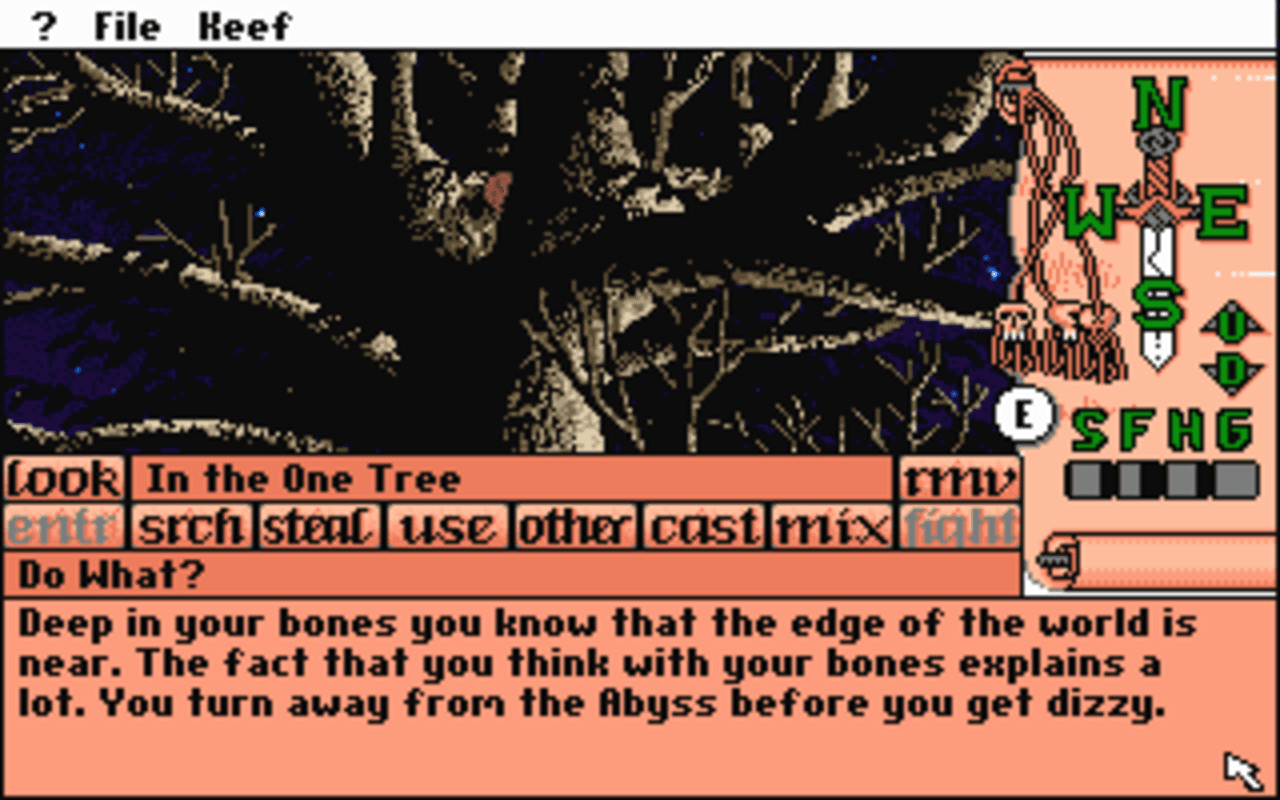
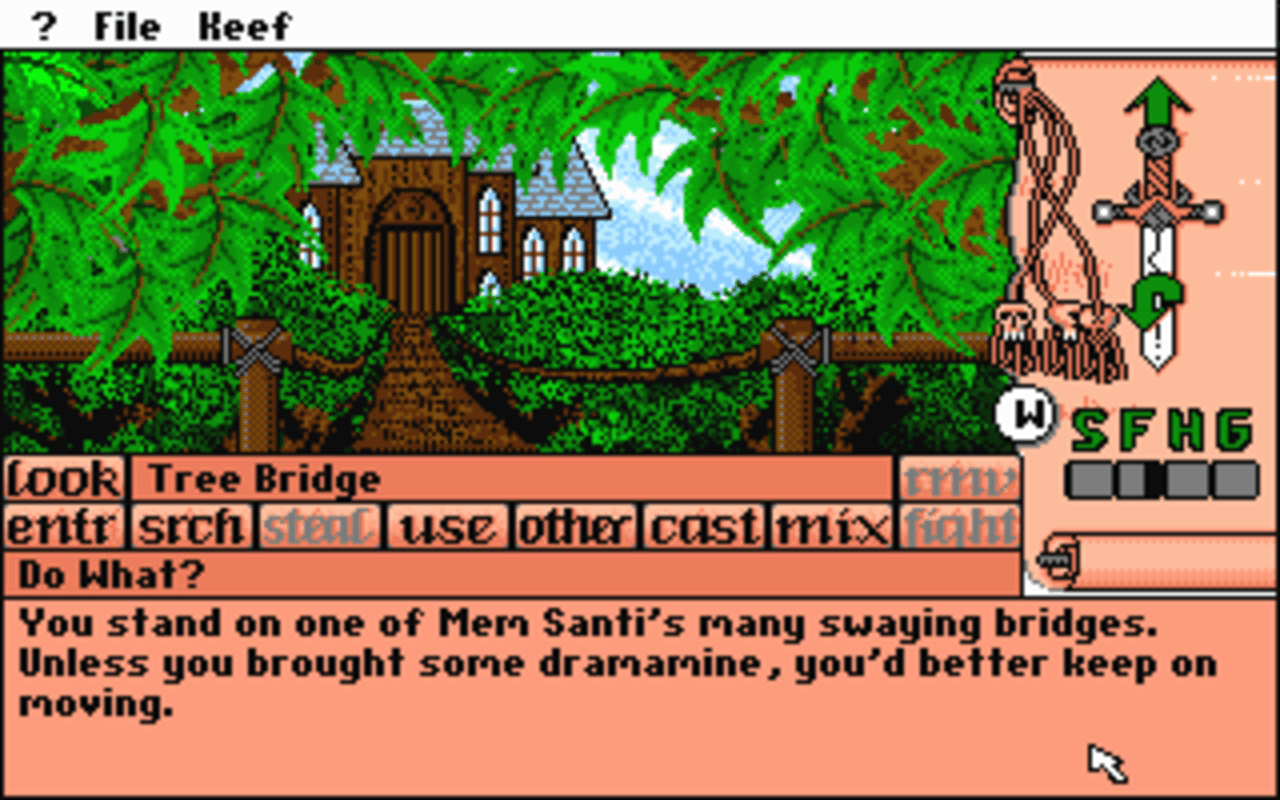
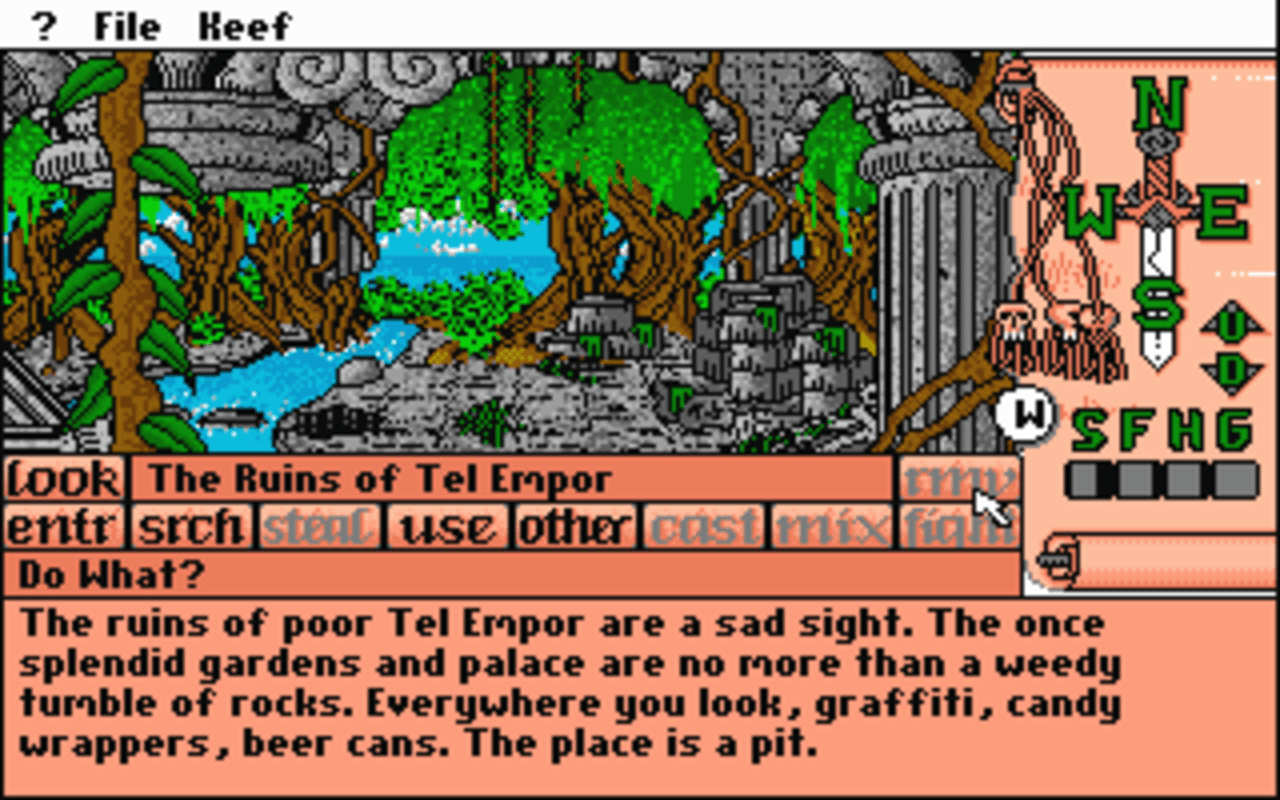
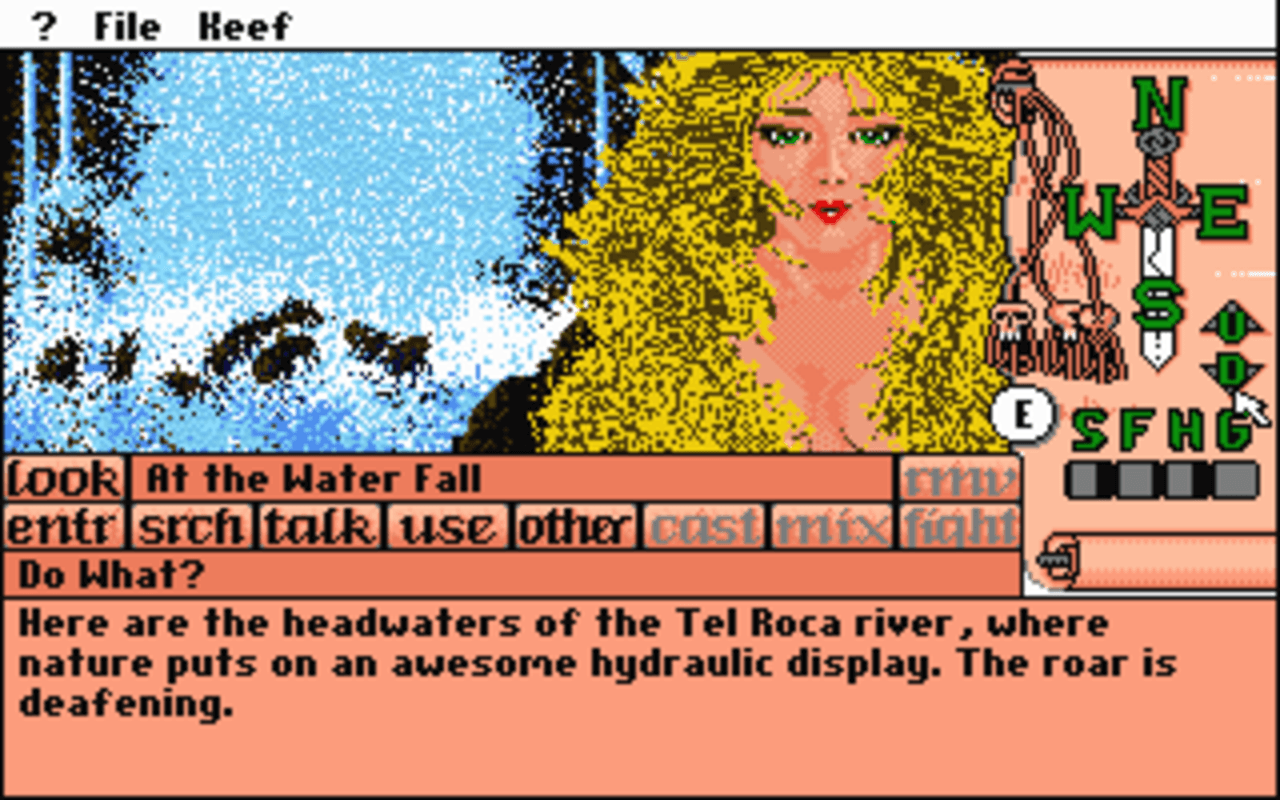
Part of the game’s distinct flavor comes from how it presents itself. The first-person perspective gives every alley and doorway a sense of closeness, like you’re leaning in to listen for footsteps before trying a lock. The interface supports that “hands-on thief” vibe, emphasizing interaction as much as stats. Instead of treating the world as a battlefield, Keef often treats it like a puzzle box: poke here, pry there, talk to this person, come back later with something better, and see what changes.
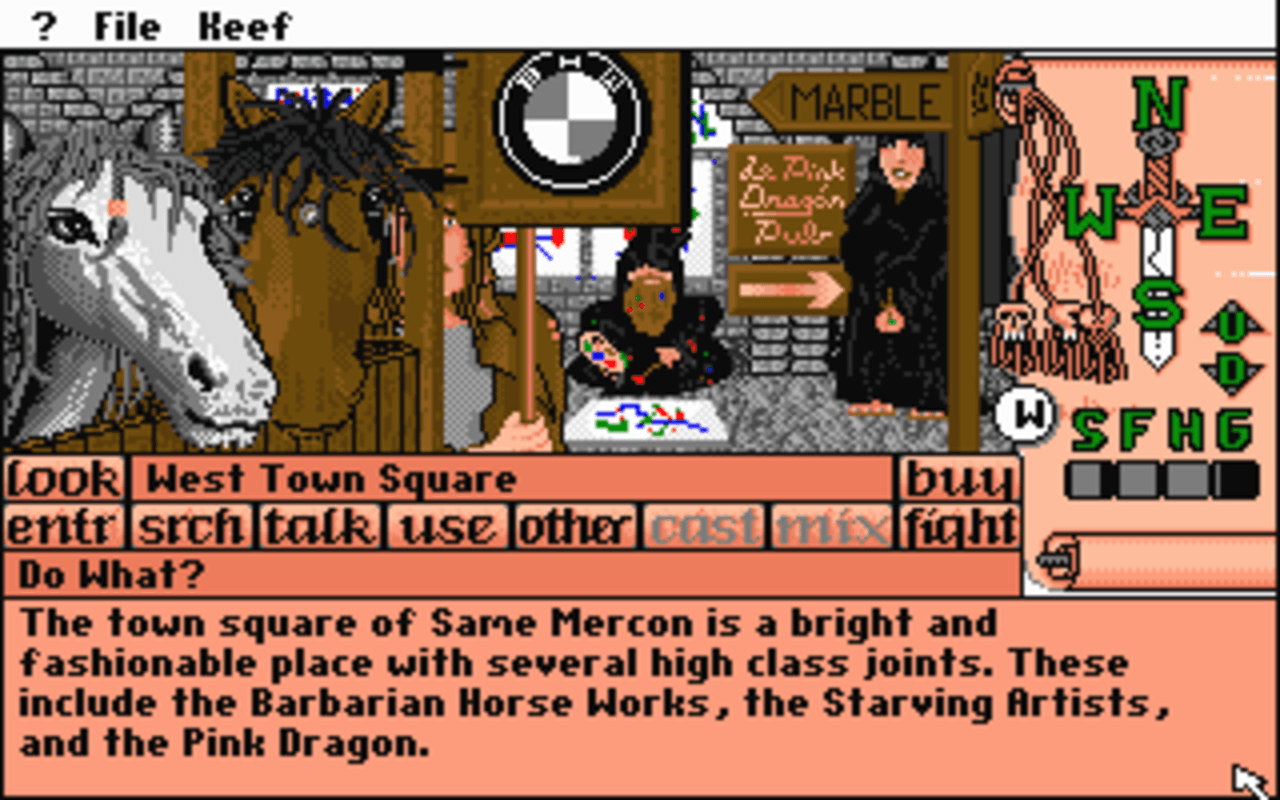
This approach also makes the environment memorable. Town areas feel bustling and opportunistic, while other locations shift the tone toward riskier adventure. When the game wants to feel grim, it tightens the pressure; when it wants to be ridiculous, it lets a line of text or an encounter punch through the seriousness. It’s a balancing act that keeps you engaged even when you’re retracing steps, because you’re rarely just “walking back”—you’re scouting for the next advantage.
Play Keef the Thief: A Boy and His Lockpick online
One of the nicest things about revisiting a classic like this is how easily it fits into modern habits: you can play Keef the Thief: A Boy and His Lockpick online free, right in a browser, and it translates well to mobile devices too, letting you hop in without restrictions when you want a quick burst of fantasy mischief. The core loop still lands: explore, take chances, profit when you can, and laugh when the game throws a sarcastic comment at your bravado.
Playing online highlights how brisk the game can feel. Sessions naturally break into little heists and errands—earn some money, upgrade your odds, push your luck in a dangerous area, then retreat to regroup. That rhythm is ideal for bite-sized play while still supporting longer stretches where you get absorbed in planning the next big score.
Why This Game Still Stands Out Among Classic RPG Adventures
A lot of older RPGs aim for grandeur. Keef aims for personality. Its big hook isn’t just the setting, but the attitude: the world doesn’t celebrate you, it tolerates you, and you’re constantly trying to turn tolerance into opportunity. That creates a different kind of fantasy—less “save the kingdom,” more “outsmart the kingdom.” If you grew up on earnest epics, Keef can feel like a relief, a reminder that role-playing worlds can be funny without being shallow.
It also carries an early creative spark from its developers, who would later become famous for very different kinds of games. Here, you can sense experimentation: a willingness to mix adventure-like interaction with RPG structure, and a confidence that writing can be part of the gameplay, not just decoration. Even when it’s quirky or rough around the edges, it remains distinctive, and that distinctiveness is what makes it worth revisiting.
Keef the Thief: A Boy and His Lockpick is best enjoyed as a witty, first-person fantasy RPG where curiosity is currency and audacity is a strategy. To control the game, you typically interact through an on-screen interface—selecting actions, choosing where to travel, managing equipment, and making decisions in combat and exploration—focusing on smart choices rather than reflex-heavy timing.
All used codes are publicly available, and the game belongs to its original authors.