Locomotion and the Art of Railway Panic
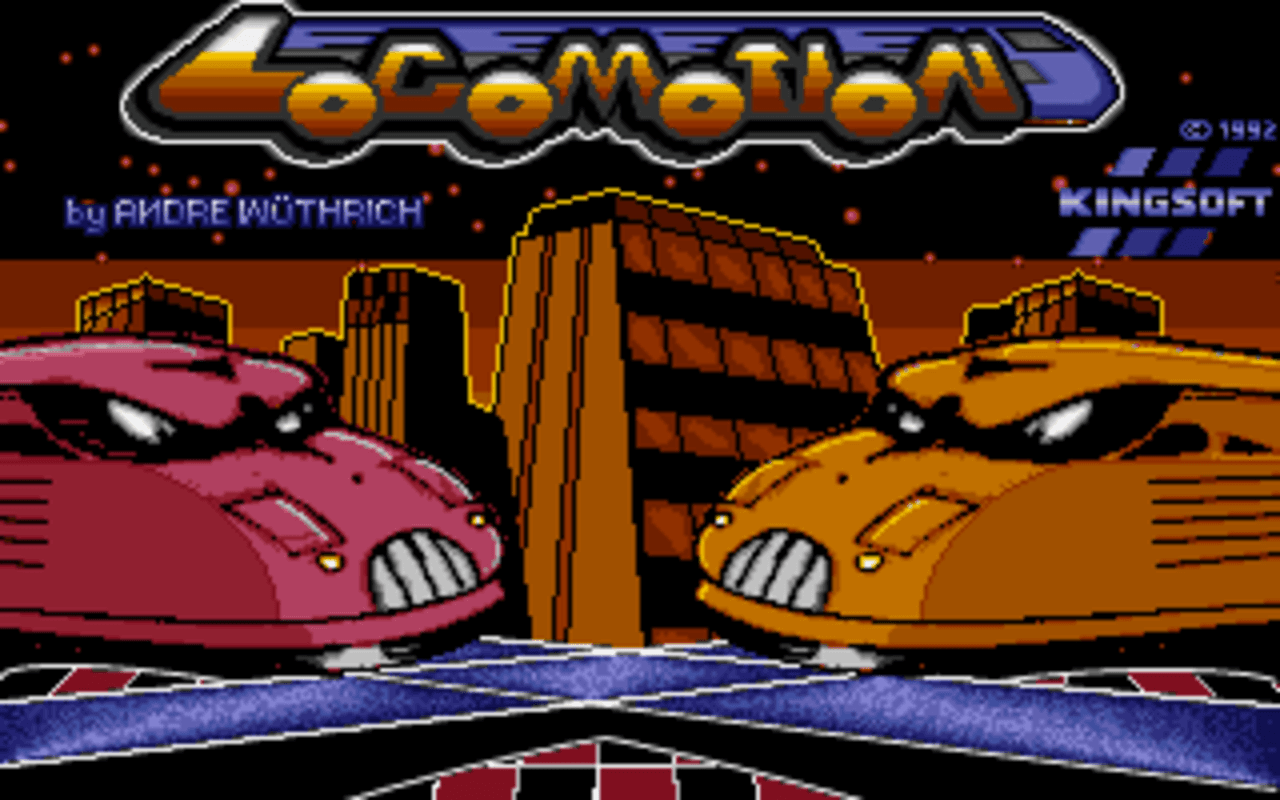
Locomotion arrived in the early 1990s as a compact, idea-first DOS game that turns a familiar symbol of order—the railway timetable—into a delightfully unstable juggling act. Published by Kingsoft GmbH and developed by Prestige Softwareentwicklung GmbH, it is credited to creator André Wüthrich, and it wears that small-team focus proudly: everything feeds the central concept of routing trains through a fixed network before chaos catches up.
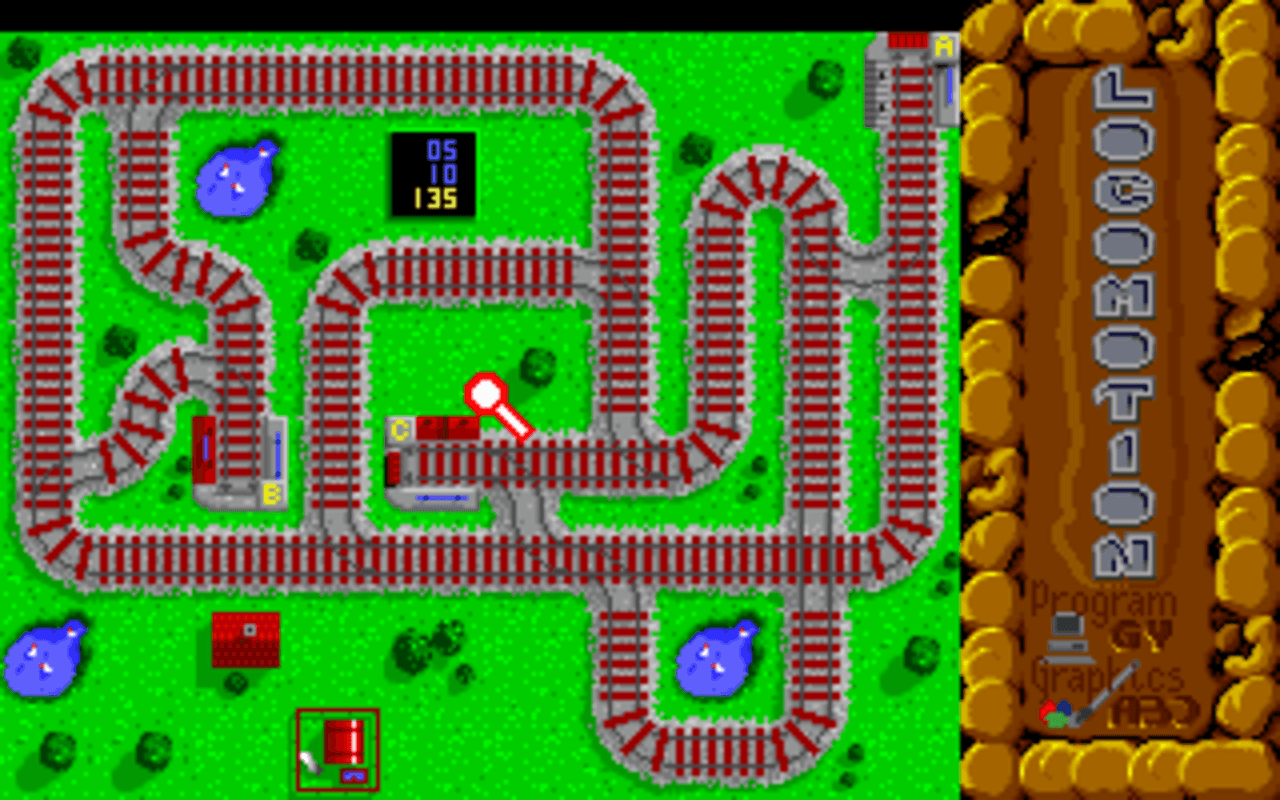
The premise is instantly readable. You are shown a top-down rail map filled with stations and junctions, and trains begin launching at unpredictable intervals, each one expecting to reach a particular destination within a limited time. It sounds orderly on paper, which is exactly why the first traffic snarl feels so funny: the moment two trains want the same piece of track, your brain switches from “planning” to “improvising” in a heartbeat.
What makes Locomotion memorable is how it creates tension without needing sprawling worlds or lengthy tutorials. The board is the stage, the trains are the actors, and your cursor is the unseen hand nudging fate. It is arcade in its immediacy, puzzle in its logic, and oddly meditative once you learn to read the rails like a musical score.
Switching Tracks in Locomotion: Simple Moves, Deep Consequences
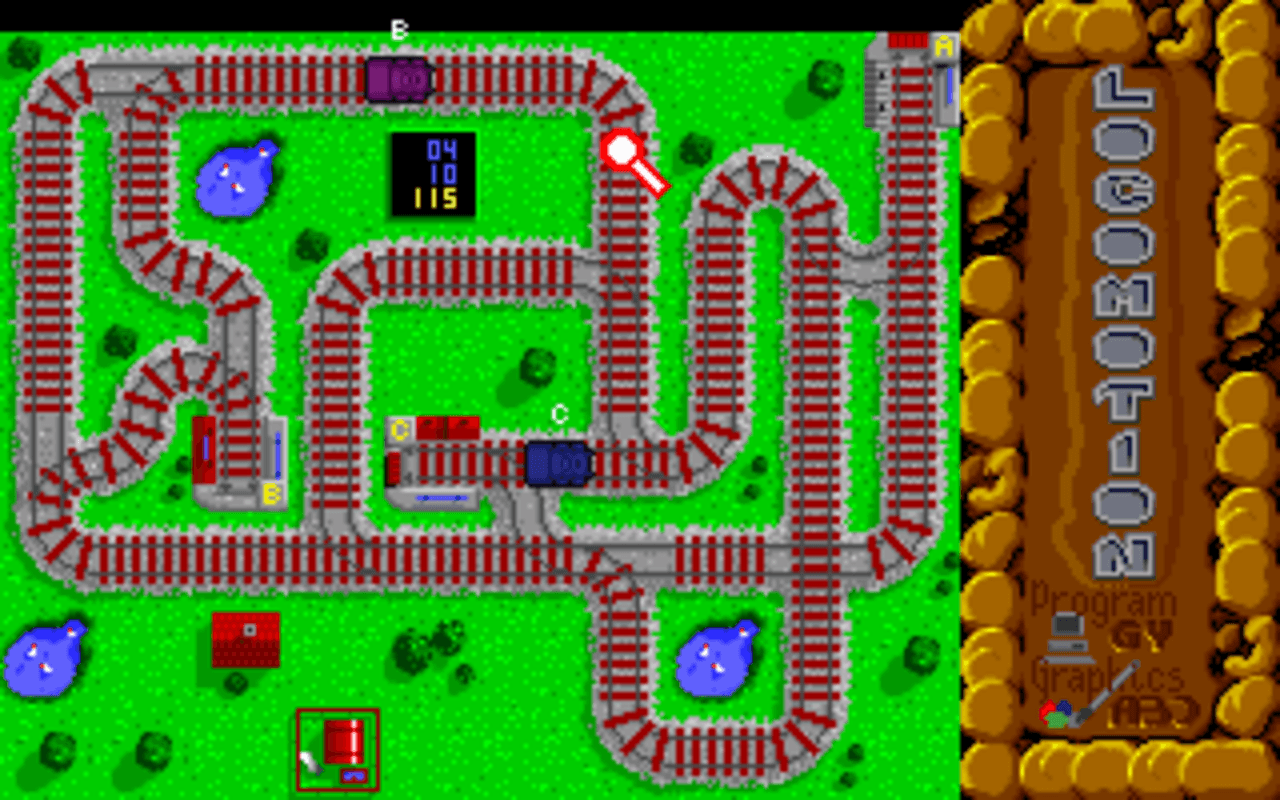
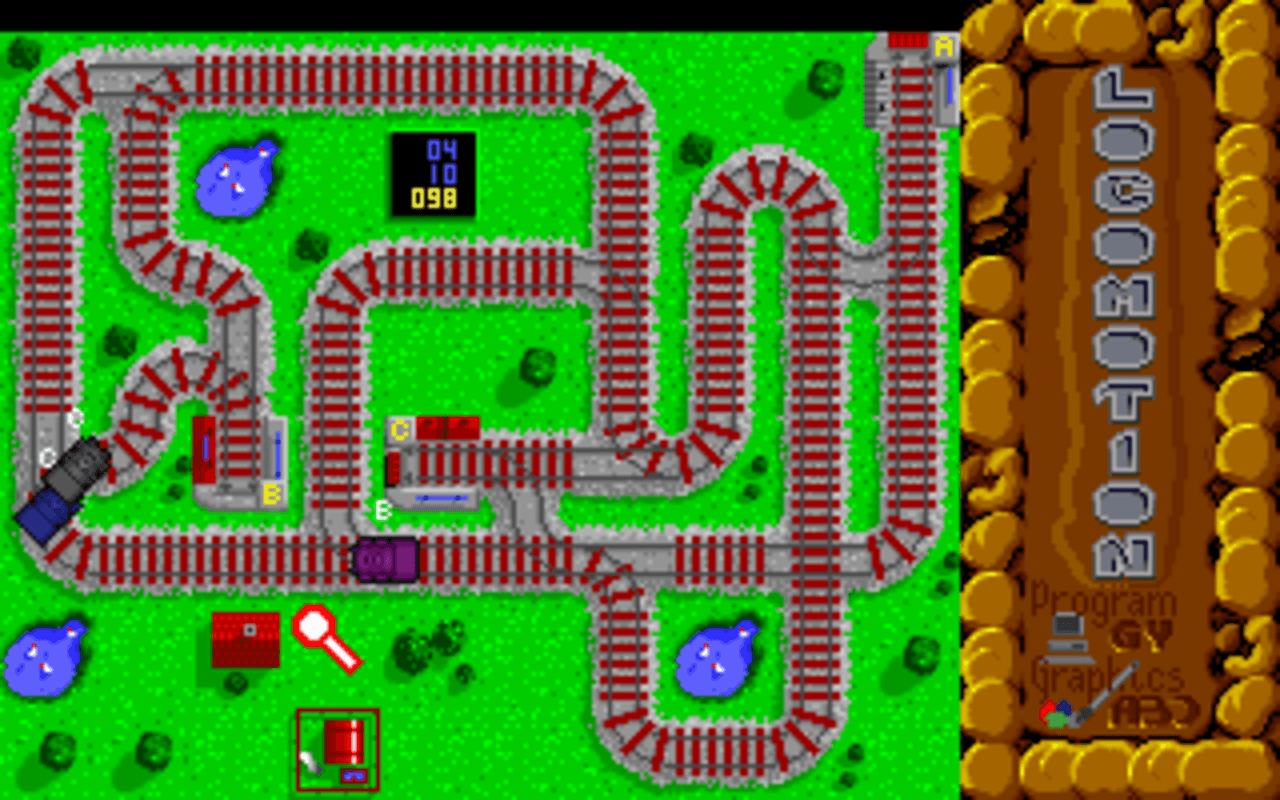
Locomotion’s control idea is almost comically straightforward: you move a cursor over a junction and click to toggle it. That tiny action changes the route for anything arriving next, which means every decision has a “now” effect and a “soon” consequence. When a train reaches a junction that doesn’t allow a valid onward path, it simply stops and waits for you to fix the switch. If it reaches the wrong station, it reverses and continues, turning your mistake into a moving problem instead of an instant failure.
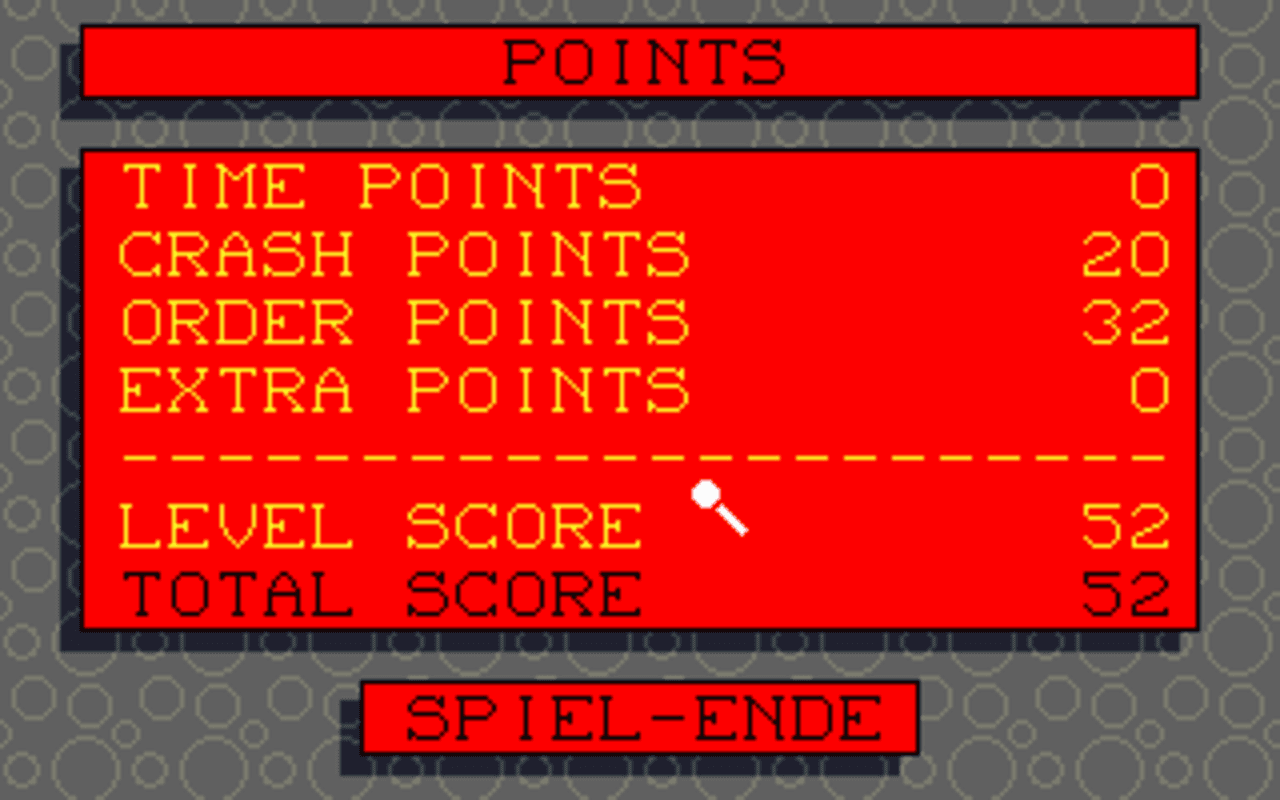
The real threat is contact. If trains collide, they are lost and you take a penalty, which transforms the map into a living puzzle where spacing and sequencing matter as much as the “correct” route. This is where Locomotion gains its personality: it’s not about finding one perfect solution, but about maintaining flow while surprises keep arriving.
At its best, the game gets you thinking in layers. You might send one train on a slightly longer path so another can pass cleanly, or you may deliberately “park” a train safely by halting it at a junction while you clear the line ahead. Those little tactics feel earned because they come from observing the system rather than memorizing a script. Each new layout increases the number of meaningful intersections, and with that comes a stronger sense that you’re not merely reacting—you’re conducting.
Locomotion’s Level Editor and the Joy of Custom Rail Mazes
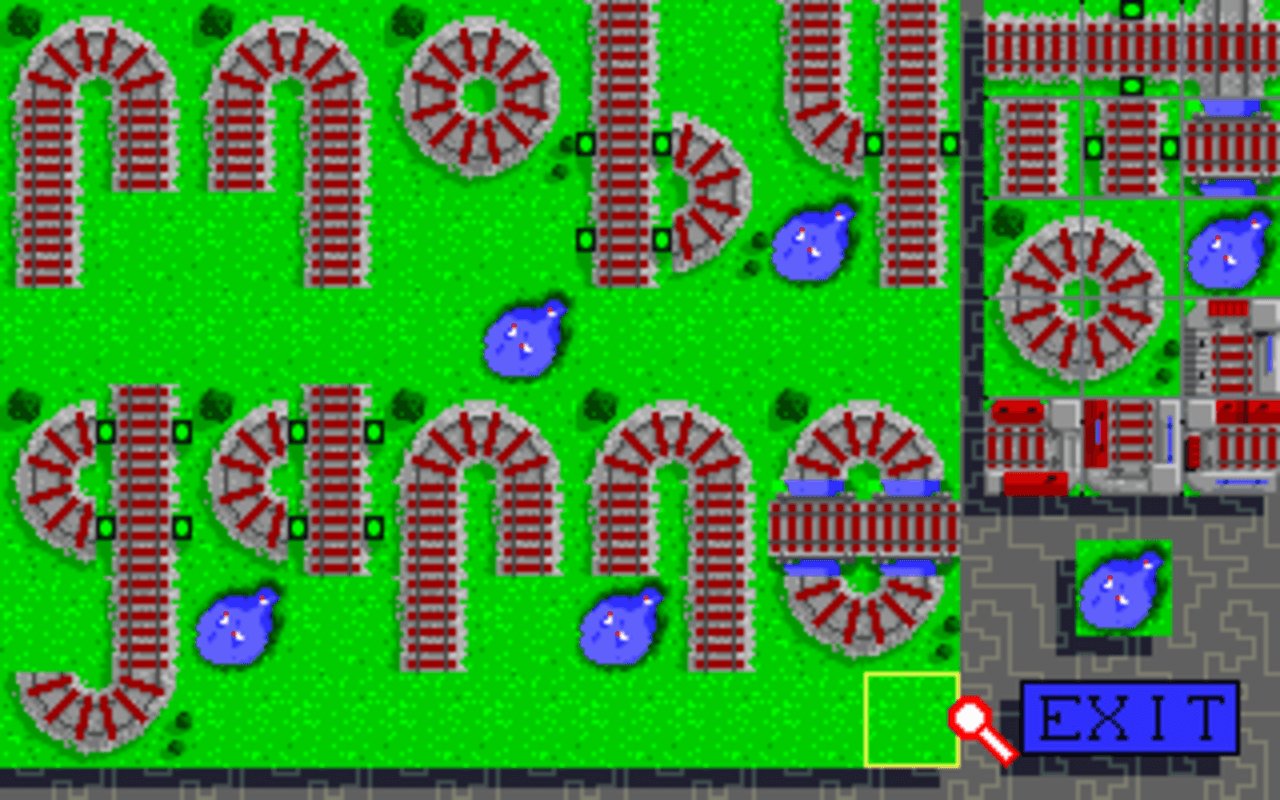
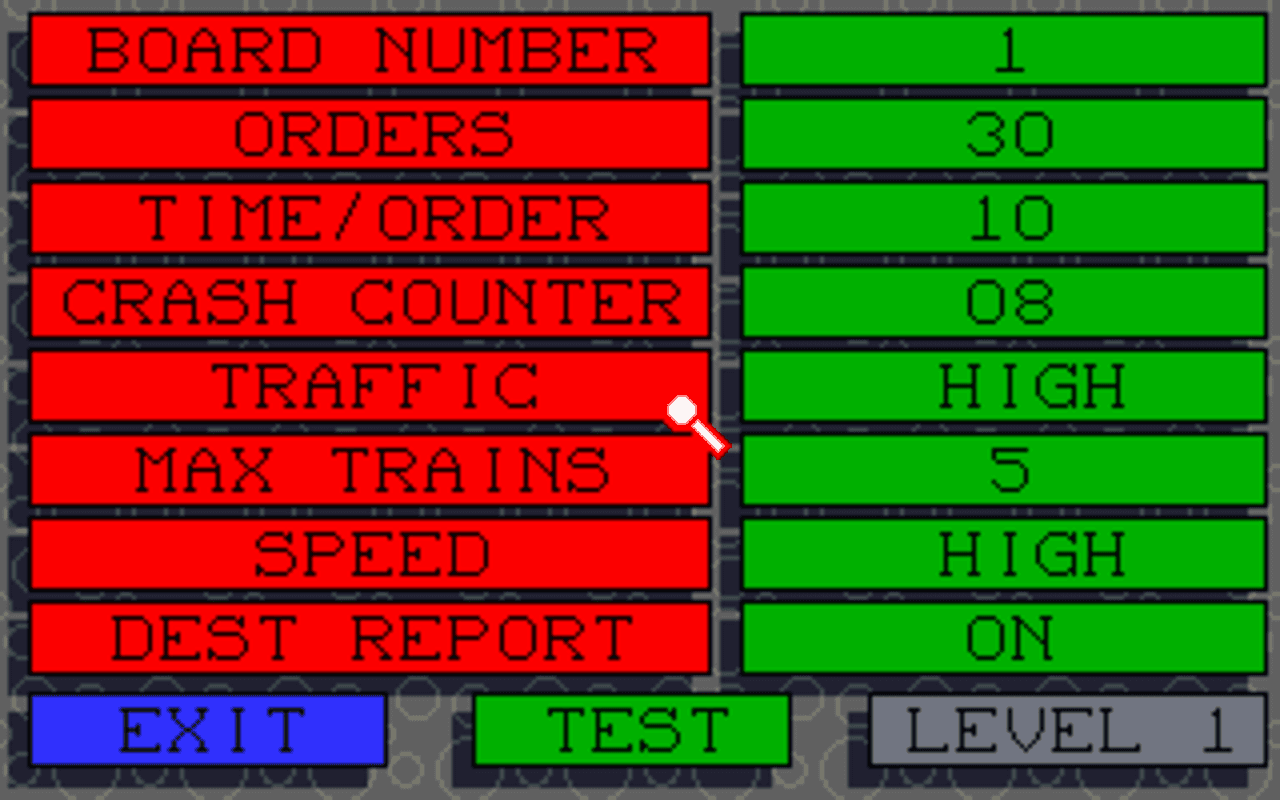
A clever bonus to the core loop is that Locomotion includes a level editor, which fits the game’s design philosophy perfectly. When a puzzle game is built on readable rules and tight timing, custom maps become more than extra content—they become a way to express creativity within constraints.
Even if you never touch an editor, its presence says something important about Locomotion’s identity. This is a game that trusts its own mechanics. It assumes players will want to remix the challenge, tweak the spacing of junctions, and build scenarios that emphasize particular skills: tight reaction windows, tricky station placement, or risky single-track bottlenecks that force you to think ahead.
That design also helps explain why Locomotion stays enjoyable in short bursts. A good rail puzzle doesn’t need a dramatic plot twist to be satisfying; it needs a situation that starts manageable, then tightens until you’re balancing priorities with seconds to spare. Locomotion does that naturally, and custom layouts extend that rhythm indefinitely.
Play Locomotion online and keep the rails humming
Play Locomotion online! The game’s quick, click-driven structure makes it an easy fit for modern play sessions: you can play it free in a browser, and it adapts well to mobile devices without restrictions, so the same tense junction flips and last-second saves work whether you’re at a desk or on the go.
What matters most is that Locomotion’s challenge is timeless. It doesn’t depend on a trend, a control gimmick, or a sprawling checklist of upgrades. The drama comes from readable systems colliding: trains with destinations, a network with choke points, and your limited attention as traffic ramps up. The satisfaction is immediate and physical in the best way—one click and the whole future of the next ten seconds changes.
If you’re new, the early moments teach the language of the game: watch destinations, anticipate junction choices, and keep trains separated. If you’re returning, the appeal shifts toward elegance—routing with minimal stops, recovering from mistakes without panic, and finding smooth patterns that keep the network breathing. Locomotion rewards calm thinking under pressure, and it’s surprisingly good at making you feel smarter after a messy situation resolves cleanly.
Why Locomotion Still Deserves the Next Session
Some DOS-era puzzles age poorly because their difficulty is opaque or their controls fight the player. Locomotion avoids those traps by being transparent: you can always see what’s happening, and when something goes wrong, you can usually explain why. That clarity turns failure into learning rather than frustration.
The presentation also supports the design. A top-down rail map is functional, but it’s also charming: little trains moving with purpose, stations acting like promises, switches acting like questions. The game creates stories out of logistics—two trains racing toward the same crossing, a last-moment toggle that prevents disaster, a misrouted run that you cleverly recover by looping back. None of that needs cutscenes; it emerges naturally from the system.
Locomotion is a small game with big replay energy. It’s easy to explain, hard to perfect, and endlessly rewatchable because the busiest moments look like a puzzle you’re solving live. Summary-wise, it’s a real-time train-routing game where you guide traffic by toggling junctions, aiming to deliver enough trains to the right stations before time and collisions punish you. As for control, you typically steer a cursor and click junctions to flip their direction, keeping trains moving and separated while you react to fresh departures and changing priorities.
All used codes are publicly available and the game belongs to its original authors.