M.C. Kids Turns McDonaldland into a Real Platform Game
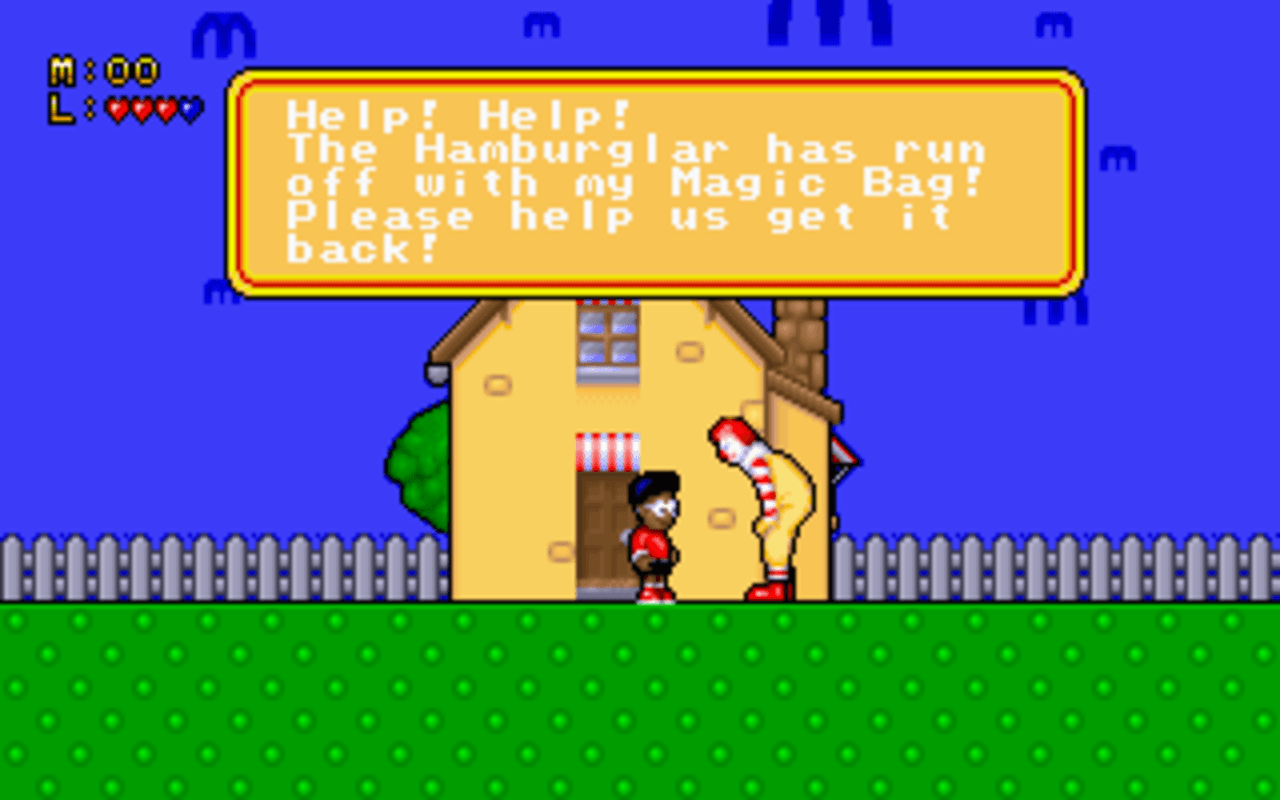
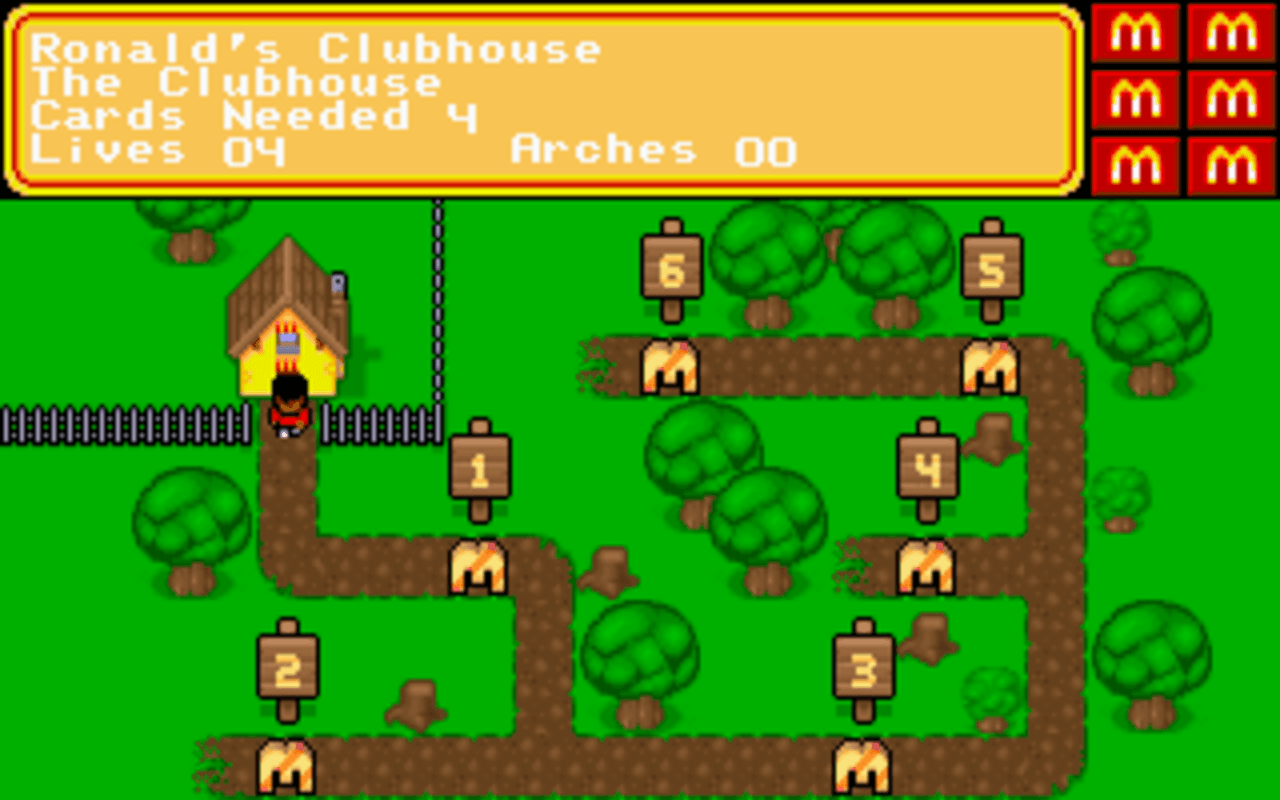
M.C. Kids is a licensed platform game from Virgin Games that does something many tie-ins only pretend to do: it builds a full-sized adventure with its own personality. Rather than leaning on a brand name alone, the game drops you into a playful, storybook version of McDonaldland and asks you to treat it like a proper world—one with secrets, odd little rules, and routes that reward attention. The premise is simple and perfectly suited to a classic quest. Ronald’s magical bag is stolen, trouble follows, and two kids step up to chase the thief across a chain of themed areas. That setup may sound like light Saturday-morning fluff, but it’s exactly the kind of excuse a good platform game needs: clear stakes, colorful scenery, and a steady excuse to keep moving forward.
What stands out quickly is how “built” the stages feel. You’re not just running right until a flag appears. The game nudges you to pause, look, and experiment. A suspicious wall might hide a path. A tricky jump might have a safer alternative if you find the right entrance. The overall vibe stays bright and friendly, yet the design has enough bite to keep the pace lively. It’s the kind of classic game where you can breeze through early sections with a smile, then suddenly realize the developers quietly taught you a new trick—and now they expect you to use it.
Spinner Blocks, Secret Cards, and the Joy of Experimenting
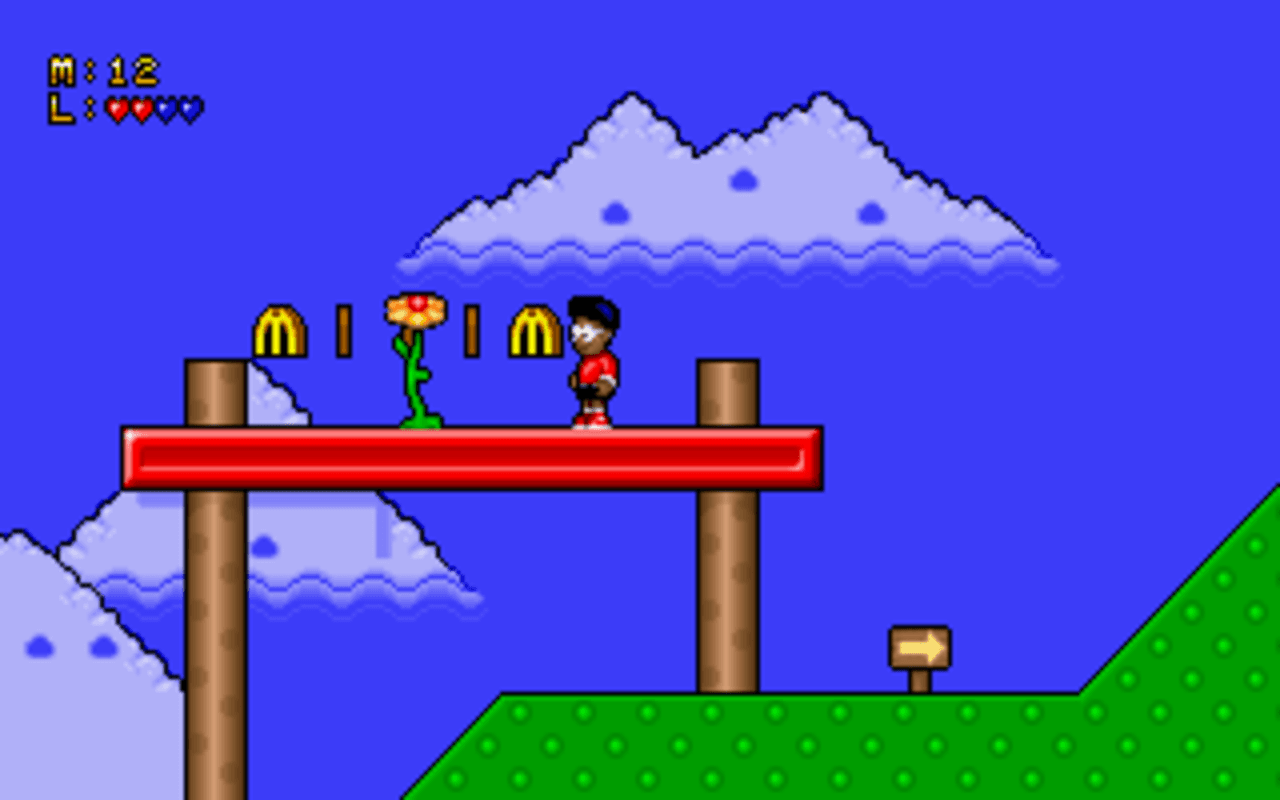
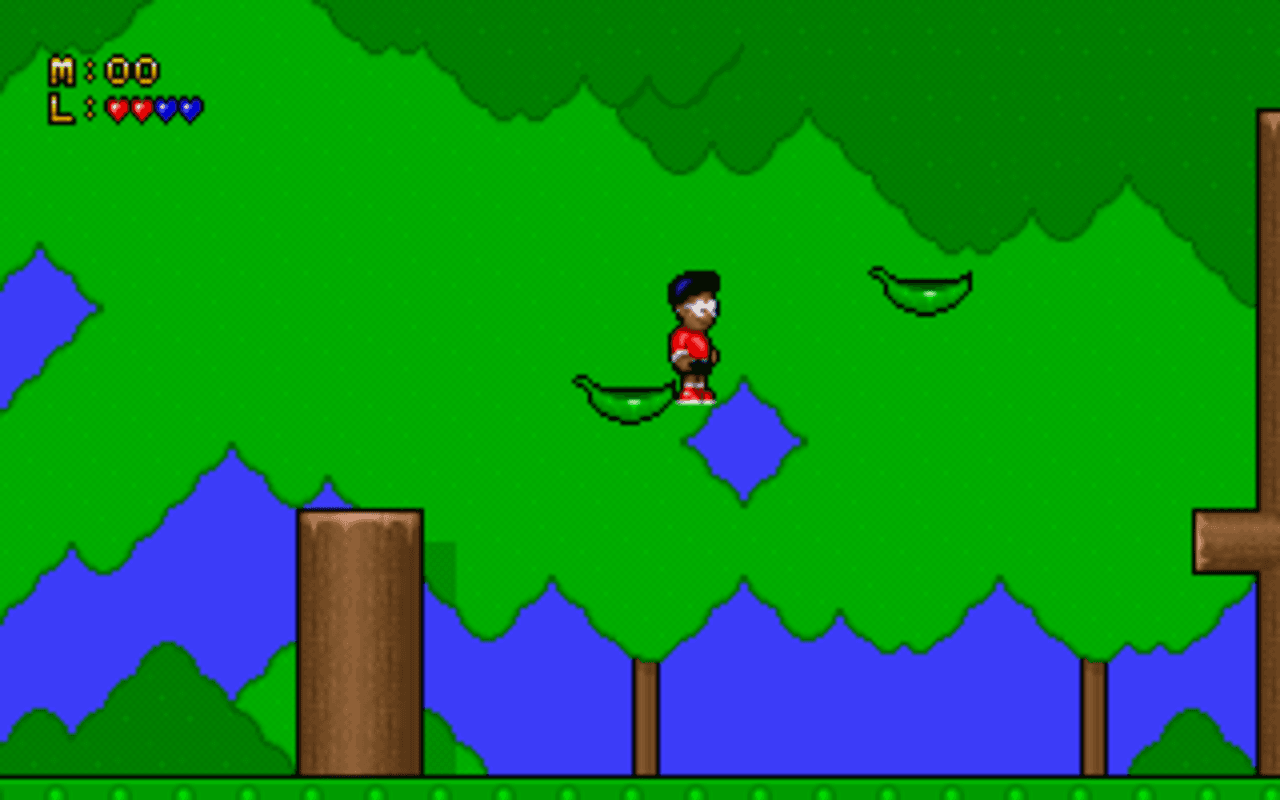
If M.C. Kids has a signature, it’s the way it treats its “toys.” Many platform games give you a jump, an enemy, and a few hazards. Here, the environment itself becomes a puzzle box. Blocks can be carried, stacked, and tossed, which immediately changes how you read a level. A plain gap isn’t just a gap; it might be a place to build a step. An enemy isn’t only an obstacle; it can be a moving problem you solve with a thrown block. This simple ability makes the game feel hands-on, almost like you’re rearranging pieces on a play mat rather than merely reacting to traps.
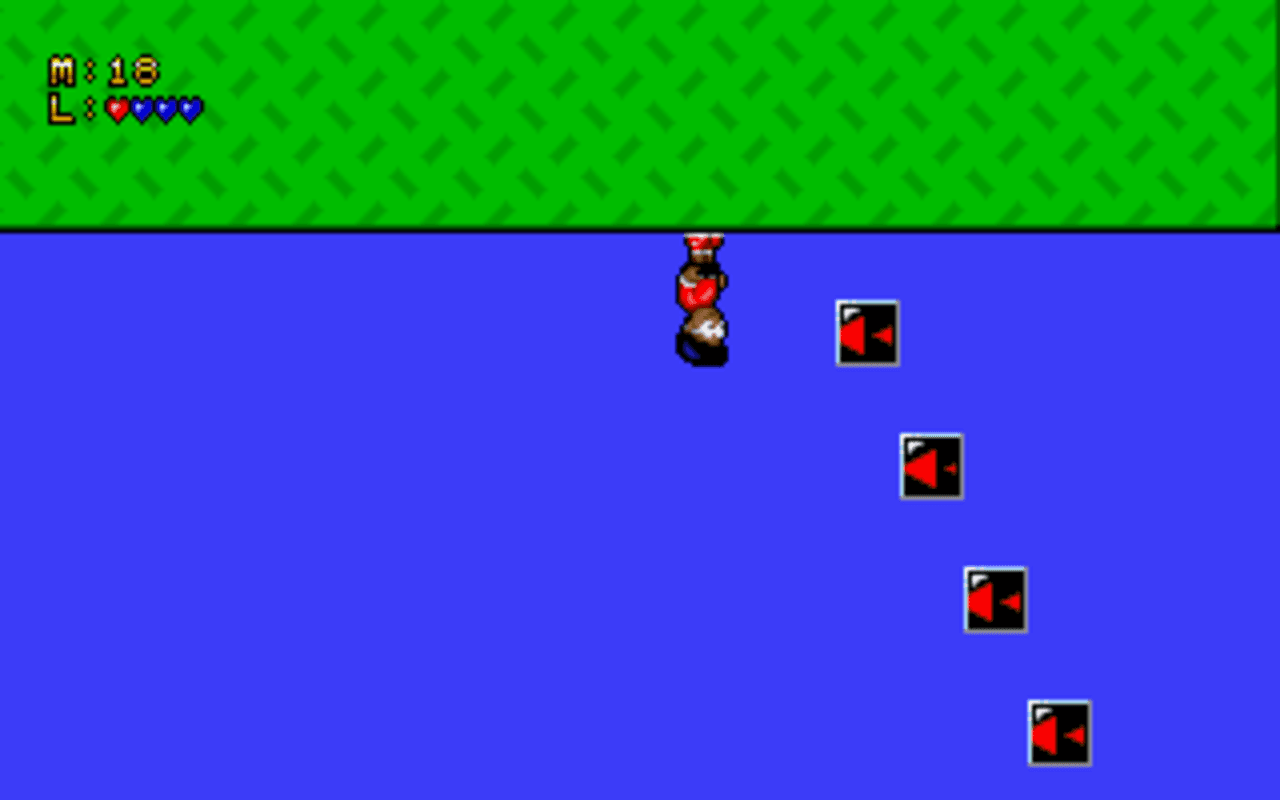
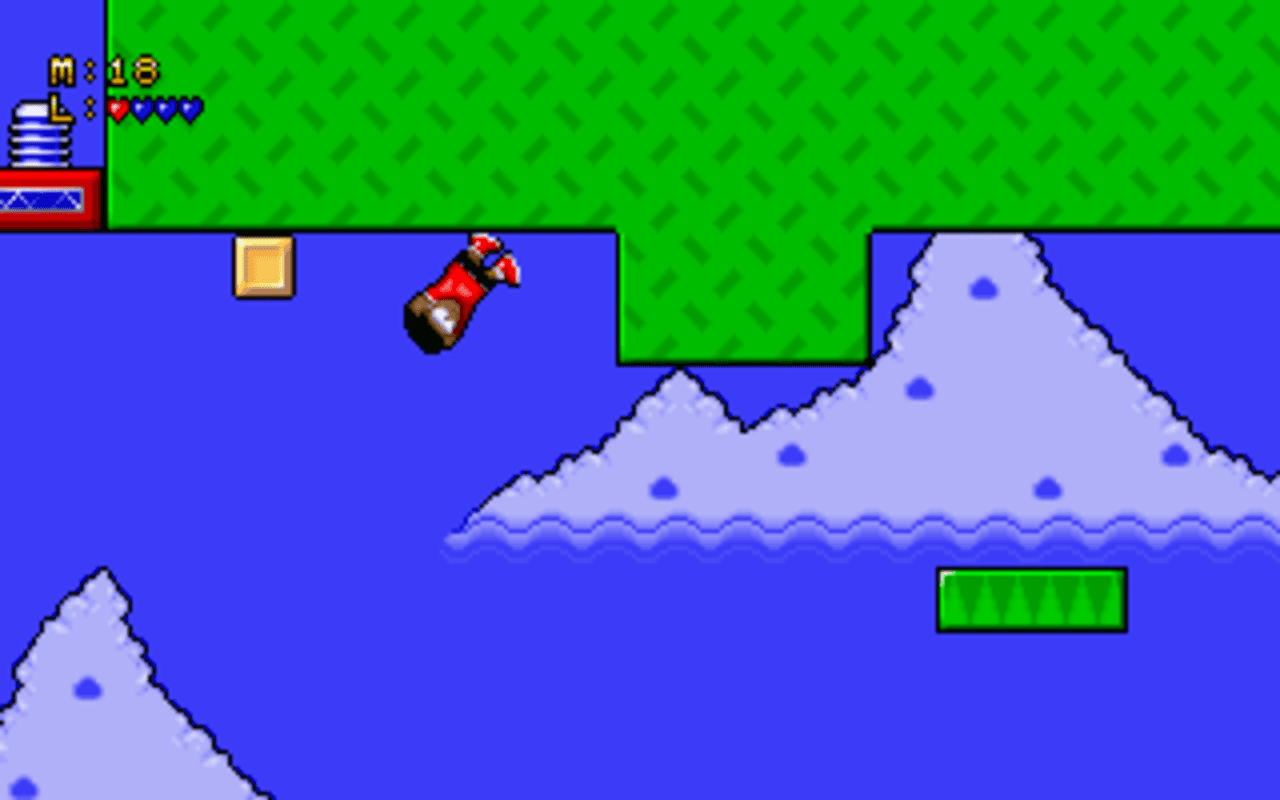
Then come the stranger gadgets—mechanics that feel like playground inventions. Some surfaces and objects change your movement in unexpected ways, turning a routine jump into a moment of timing and nerve. The best stages use these ideas to create “aha” moments that don’t rely on complex controls. You learn by doing: try something, see what happens, and adjust. The game’s collectible hunt supports that mindset. It’s not only about finishing a stage; it’s about noticing the odd corner, the suspicious passage, the route that looks too quiet to be meaningless. Chasing hidden rewards gives each area a second life, because replaying isn’t just repetition—it’s a new attempt with sharper eyes.
This is also where the game earns its charm. The McDonaldland theme could have been a thin coat of paint, but the playful mechanics help it feel like a real place with its own logic. Whether you’re bouncing, flipping, or slipping through a clever shortcut, the game keeps inviting you to interact. It’s a platform game that respects curiosity, and that makes it easy to recommend for anyone who likes exploring as much as jumping.
Play M.C. Kids online for free in your browser
A big reason M.C. Kids remains easy to enjoy is how naturally it fits modern play habits. You can play M.C. Kids online free in a browser, which means the experience stays immediate: launch the game, jump in, and let the levels do the talking. It also adapts well to quick sessions, so it’s comfortable to play online when you only have a little time, then return later simply for the fun of revisiting a favorite world. And because it’s straightforward to run in a browser, it’s also well suited to mobile devices—handy when you want that classic platform feeling on a smaller screen.
Just as importantly, the game itself doesn’t depend on complicated systems to be satisfying. The challenge comes from timing, exploration, and learning how each stage “thinks,” not from long tutorials or overloaded menus. That makes the online version feel authentic to the original style: you’re meant to jump, experiment, and move forward. Whether you treat it as a nostalgia trip or as a discovery, the core appeal holds up without restrictions getting in the way of simply playing the game.
Two Heroes, One Adventure, and a Friendly Competitive Spark
M.C. Kids lets you choose between its two kid heroes, and while their moves are essentially the same, the choice still adds a little personality to the journey. The game’s tone is light, but it’s not lazy. Enemies and hazards are placed to make you commit to jumps, to encourage careful movement in tight spaces, and to test whether you’ve really understood a stage’s gimmick. It’s rarely unfair, yet it can be sneaky—especially when a level dares you to chase a collectible into a riskier route.
The alternating two-player style is a classic touch that suits the era and the genre. It turns the game into a shared story where each player gets a turn to push further, find a secret, or recover from a mistake. Even solo, you can feel that arcade-like rhythm: attempt, learn, improve, and try again with better judgment. The best platform games create that loop without feeling repetitive, and M.C. Kids does it by layering discovery over action. You’re not only trying to survive; you’re trying to understand the level well enough to outsmart it.
Why M.C. Kids Still Feels Worth Your Time
Plenty of licensed games are remembered as curiosities. M.C. Kids earns a warmer place because it’s genuinely inventive in the details. The physics-driven feel of jumping, the tactile block play, and the ongoing temptation of secrets give it a steady sense of momentum. It’s bright without being bland, and challenging without turning sour. The McDonaldland theme is present, but the real star is the design philosophy: reward exploration, keep movement expressive, and make each world feel like a new set of toys.
By the end, you’ll likely remember specific moments rather than just “levels.” A shortcut you finally spotted. A risky jump that became easy once you understood the trick. A hidden reward that made you grin because it was placed with just enough mischief. That’s the mark of a platform game with staying power, and it’s why people still like to play it online.
M.C. Kids is a clever, upbeat platform game from Virgin Games that blends classic side-scrolling action with puzzle-like stage ideas and a satisfying secret hunt. To control the game, you move left and right, jump with a dedicated button, and use an action button to pick up and throw blocks when available, keeping timing and positioning at the heart of every encounter.
All used codes are publicly available and that the game belongs to its original authors.