Border Tension and Intrigue in MegaTraveller 1: The Zhodani Conspiracy
Published by MicroProse in 1990, MegaTraveller 1: The Zhodani Conspiracy is a science-fiction role-playing game set in the Official Traveller Universe. It comes from an era when computer RPGs were learning to portray whole societies, not just monsters behind doors, and it leans into that wider perspective. Starports feel like civic arteries, corporations have agendas, and border politics shape the kind of trouble that finds you.
The plot opens with a corporate security agent who has proof that Konrad Kiefer is aiding the Zhodani Consulate through smuggling and covert sabotage. Your five-person team is asked to move that evidence to the right hands and, eventually, to stop the conspiracy from pushing the Imperium toward disaster. The story works because it is not abstract. You deal with fear, rumors, and compromised systems, and the galaxy never treats your party as invincible. Even when you know the broad destination, the route remains tense because every detour, bargain, and firefight can change what you can afford to attempt next.
Lifepath Heroes That Feel Earned When You Play
Before you even step onto a street, the game asks you to build lives. Character creation uses Traveller-style careers: you roll up candidates, then push them through service terms in paths like Navy, Marines, Scouts, Army, or Merchant roles. Each term can grant skills, gear, and benefits, but it can also bring injury, aging, or even death before the campaign begins. That risk makes your party’s strengths feel deserved, not gifted by a menu, and it creates a backstory texture that most RPGs only pretend to offer.
Once the crew is chosen, the RPG systems keep reinforcing identity. A party rich in technical and medical skills can survive lean times by avoiding expensive mistakes, while a combat-heavy crew may win fights but struggle with the logistics that keep a ship flying. Because money is tight early on, the “how” of earning matters as much as the “what.” You can chase bounties, take dubious work, trade goods, or scavenge from defeated foes, and each approach nudges your role-playing tone toward caution, opportunism, or outright desperation.
City Streets, Starports, and Fast-Running Fights
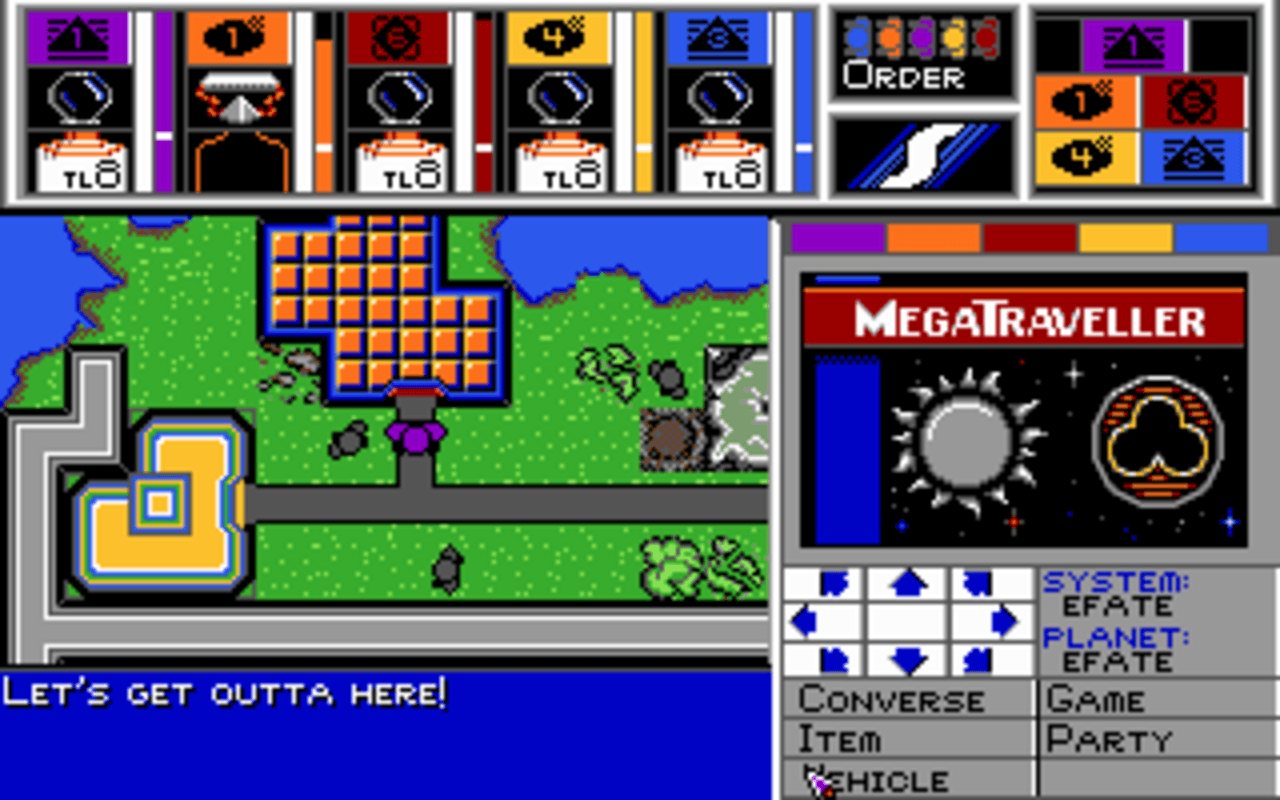
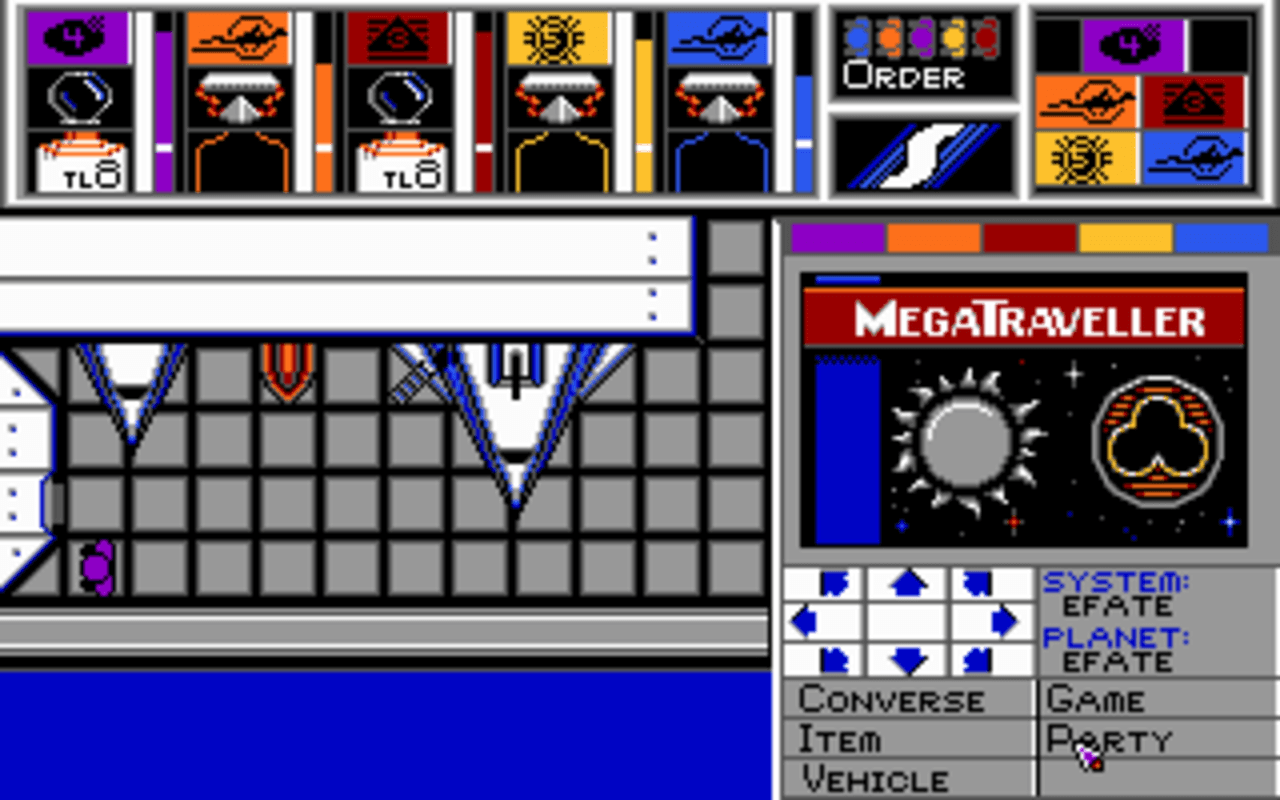
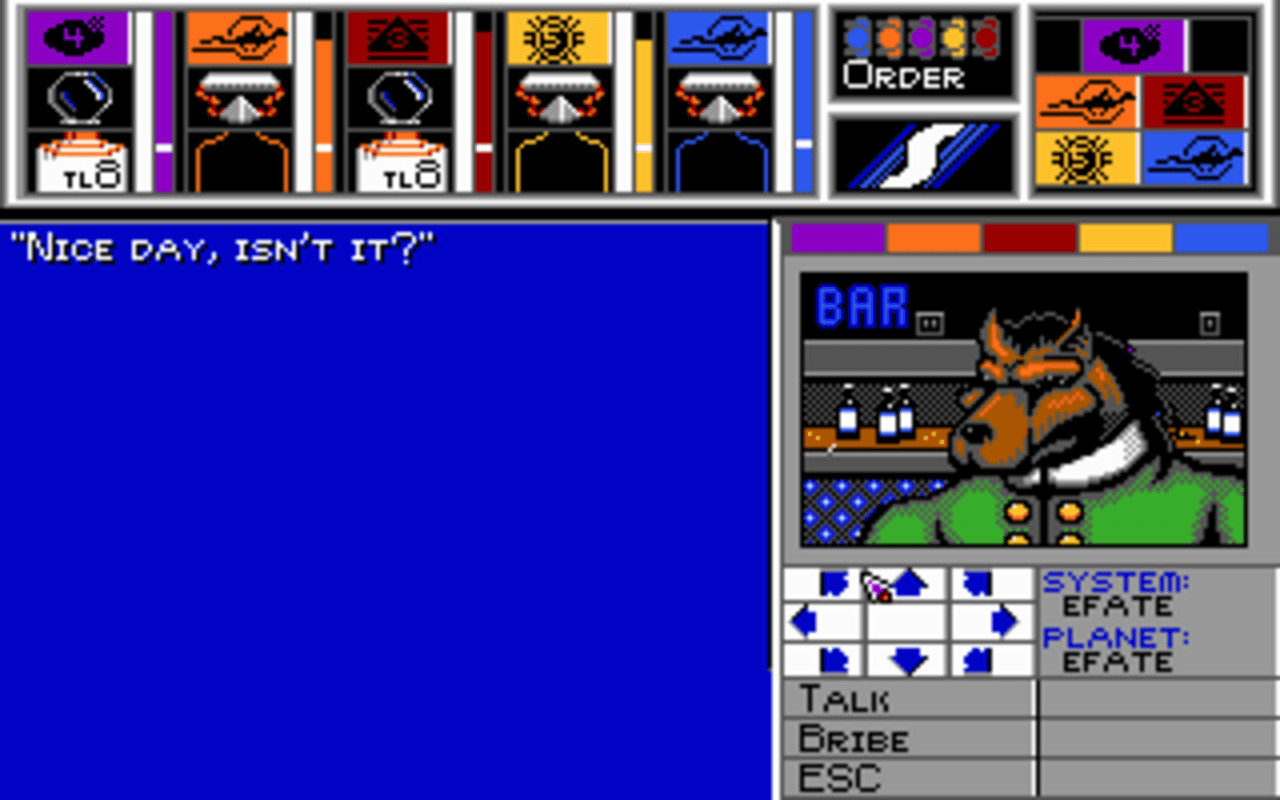
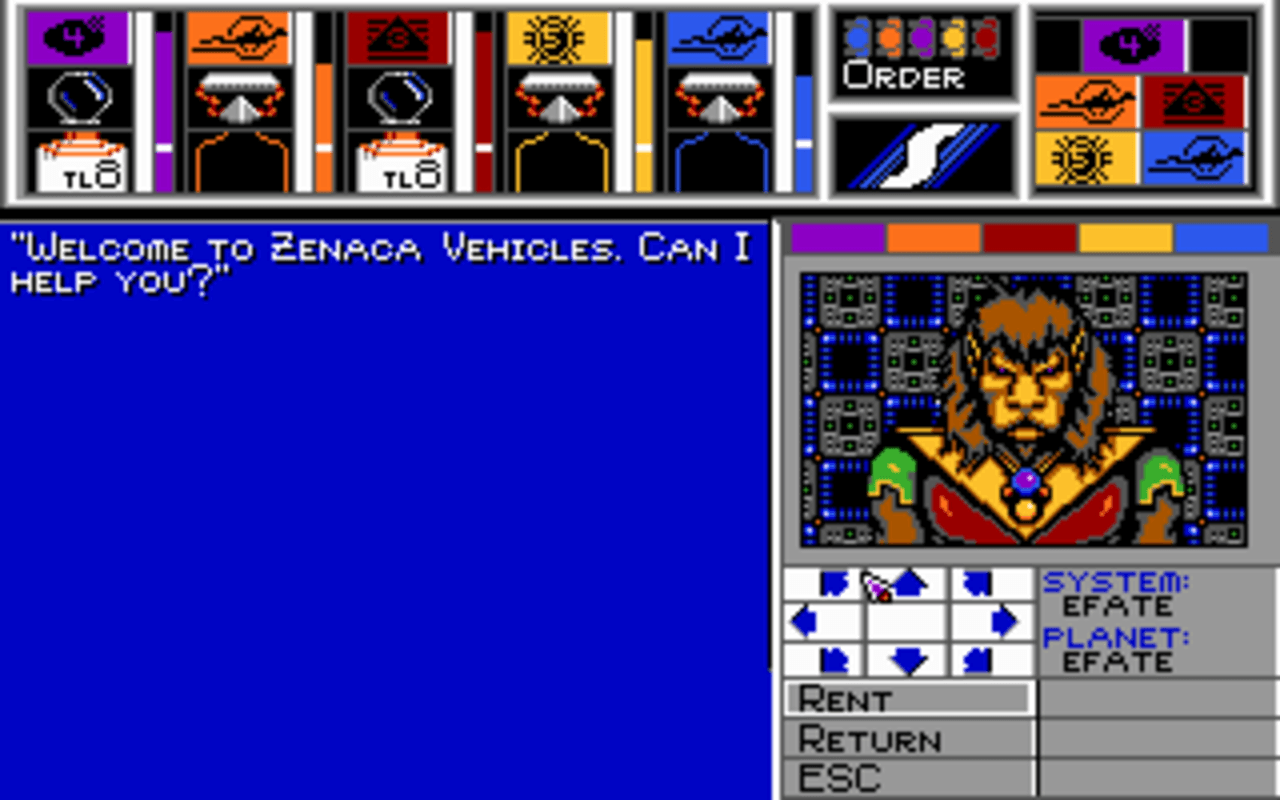
On planets, you explore from a top-down view through compact city areas and nearby terrain. Buildings support the everyday rhythm of a traveling crew: shops for weapons and armor, hospitals for recovery, libraries for information, and starports that connect your local errands to the wider galaxy. It is a practical layout that keeps the pace moving while still giving each world a sense of routine and purpose, like a familiar set of tools you learn to use efficiently.
Combat arrives without ceremony and plays out in real time. You control individuals, choose targets, manage reloads, and reposition constantly, because enemies will punish complacency. The best engagements feel like small tactical dramas: a rushed push that collapses into a retreat, a careful crossfire that saves a wounded teammate, or a narrow escape that costs money but preserves the crew. Since injuries and replacement gear affect your budget, even a “win” can feel expensive, and that makes every decision—fight, flee, or negotiate—carry weight beyond the current screen.
Play MegaTraveller 1: The Zhodani Conspiracy online
You can play MegaTraveller 1: The Zhodani Conspiracy online free in a browser, and you can also play it on mobile devices without restrictions, which makes its sprawling, system-heavy design easier to enjoy in the way that suits you. A quick session might be a resupply stop, a visit to a library to chase a rumor, or an equipment upgrade that prepares you for the next jump. A longer run lets you settle into the full loop of investigation, travel, and tactical problem-solving as the conspiracy gradually reveals how far its roots spread.
Playing online also emphasizes how clearly the game communicates its priorities. You are always balancing money, health, ammunition, and ship readiness against the need to move the plot forward. The interface is dense, but it is built around direct actions, so the world’s patterns become familiar fast: gather intel, gear up, fly out, and handle whatever the next system throws at you.
Jump Routes, Ship Encounters, and a Conspiracy Worth Chasing
Space travel supplies the other half of the fantasy. Within a system you pilot between worlds, refuel at gas giants, and sometimes fight hostile craft in real time. Interstellar movement adds a satisfying gate: you need the right jump drive and software before the map truly opens up, so early hours often revolve around earning enough to buy range and reliability. When you finally expand your reach, it feels like freedom you purchased through smart preparation rather than a story checkpoint you were handed for showing up.
This is a classic sci-fi RPG game where lifepath character building, grounded economics, and immediate combat all serve the same goal: making you feel like a capable crew trying to outmaneuver a political plot. Control is straightforward once learned: use the keyboard for hotkeys and commands, and the mouse to select icons, interact with locations, and direct movement and fire during real-time encounters.
All used codes are publicly available and the game belongs to its original authors.