Obitus game world, Psygnosis heritage and timeless fantasy
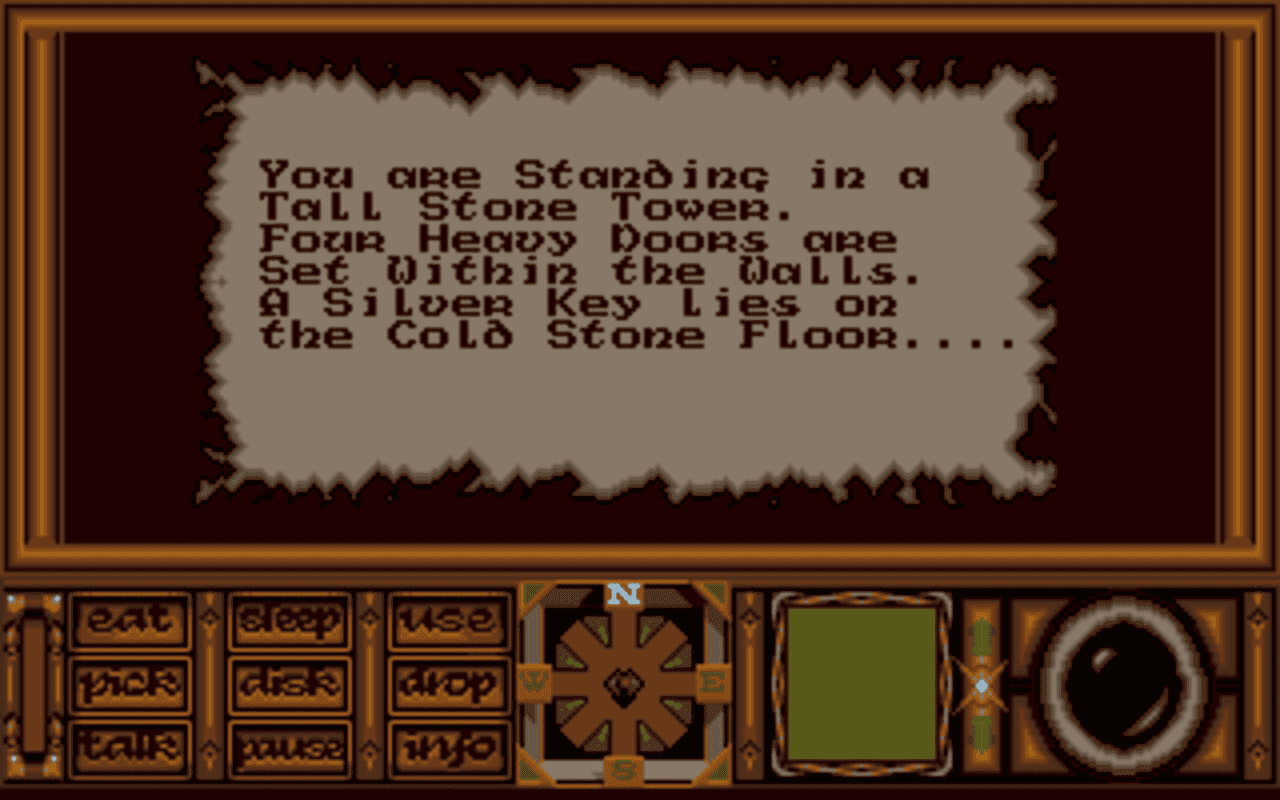
Obitus is a fantasy action-adventure game published by Psygnosis and developed by Scenario Developments. It emphasises atmosphere, exploration and survival rather than complex statistics. You play Wil Mason, a medieval history lecturer who becomes stranded during a storm in the Welsh countryside, seeks refuge in a crumbling tower and wakes up in a strange realm. The land of Obitus has been divided between four rival princes, each guarding a powerful gem, and only by reuniting these artifacts can peace be restored.
Wil is an ordinary academic pulled into danger, so every confrontation seems risky instead of routine. The narrative is conveyed with minimal text but clear goals: escape the tower, survive the wilderness and recover the lost gems. That structure supports the game’s exploration-heavy design and still works well for players discovering it for the first time, giving a clear sense of purpose without overwhelming exposition.
Labyrinths, castles and combat: how Obitus plays
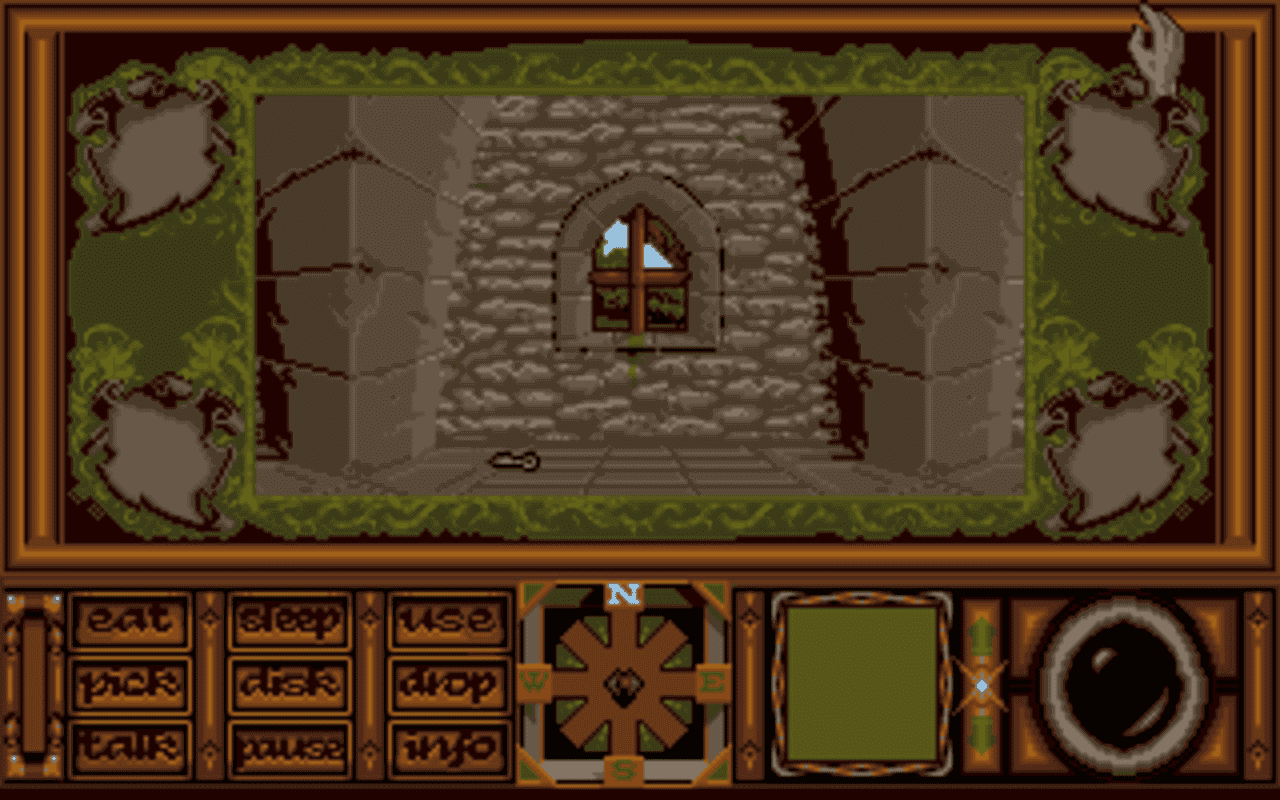
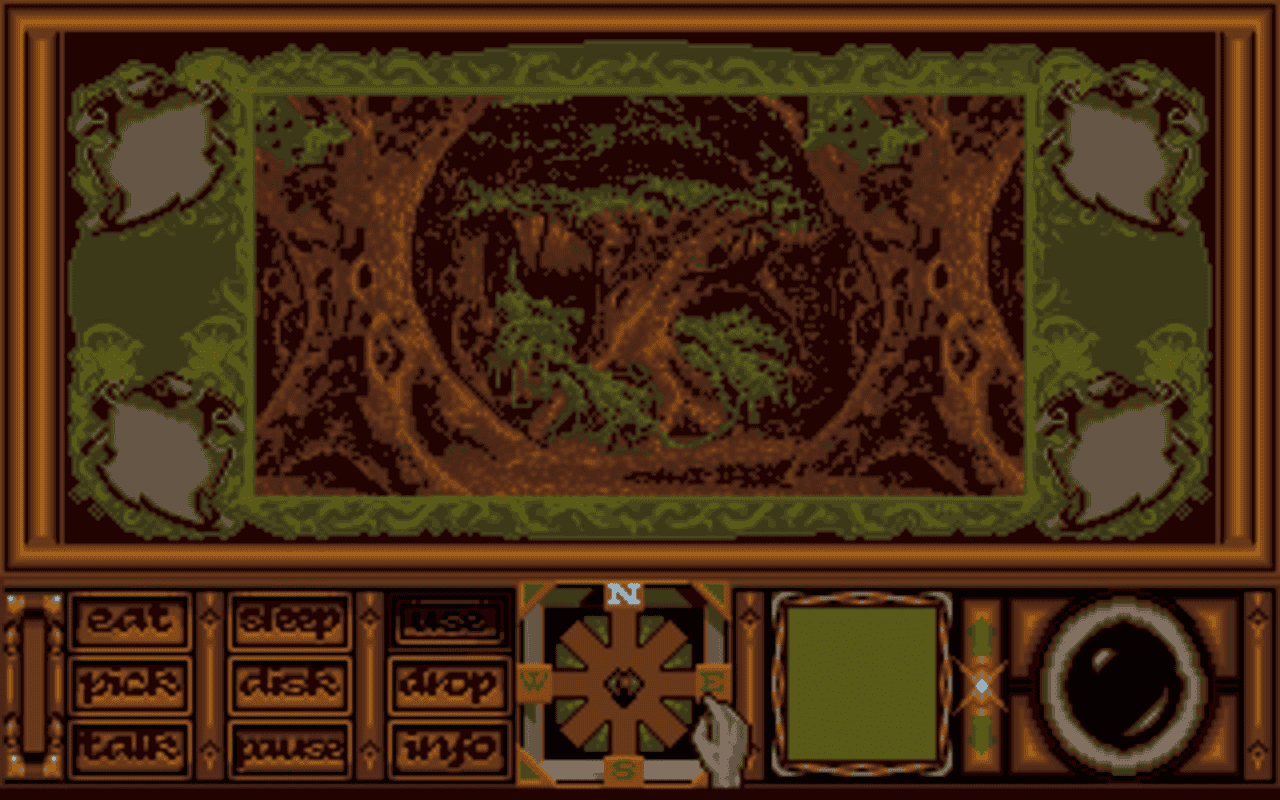
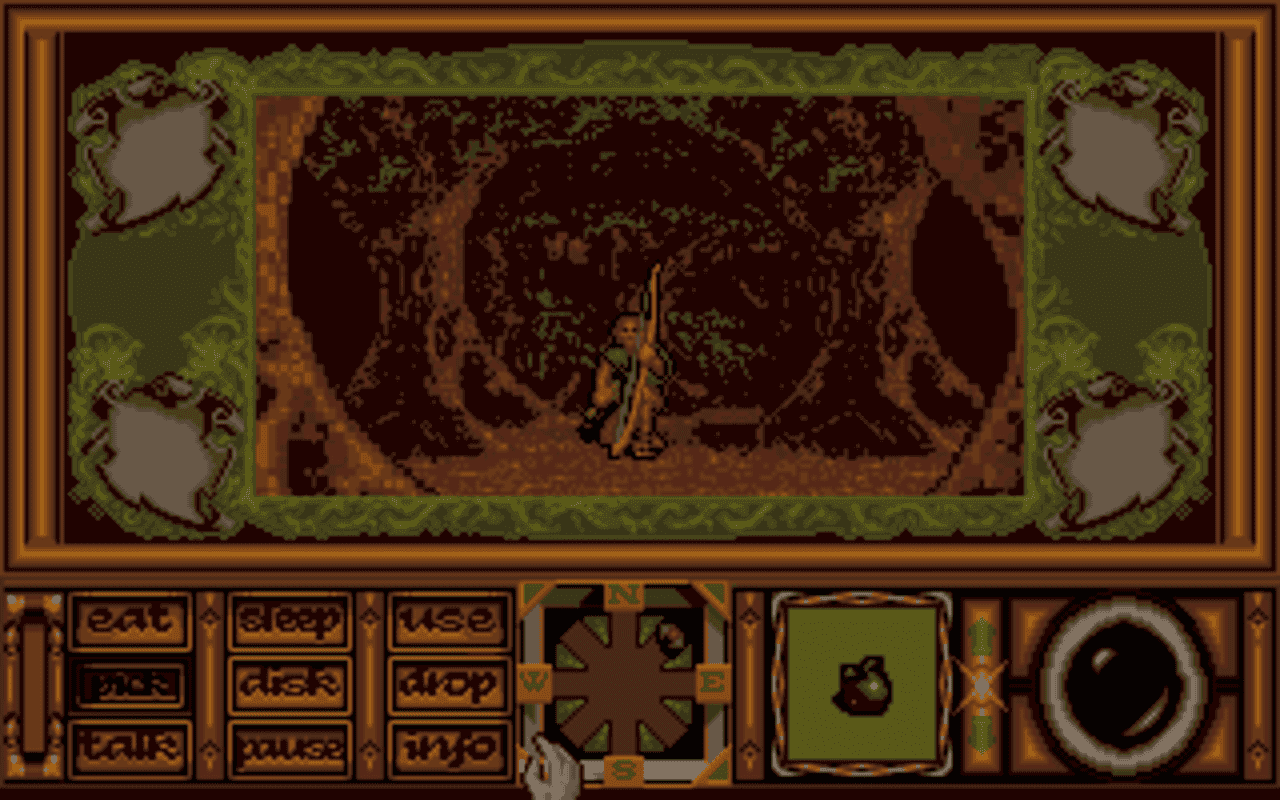
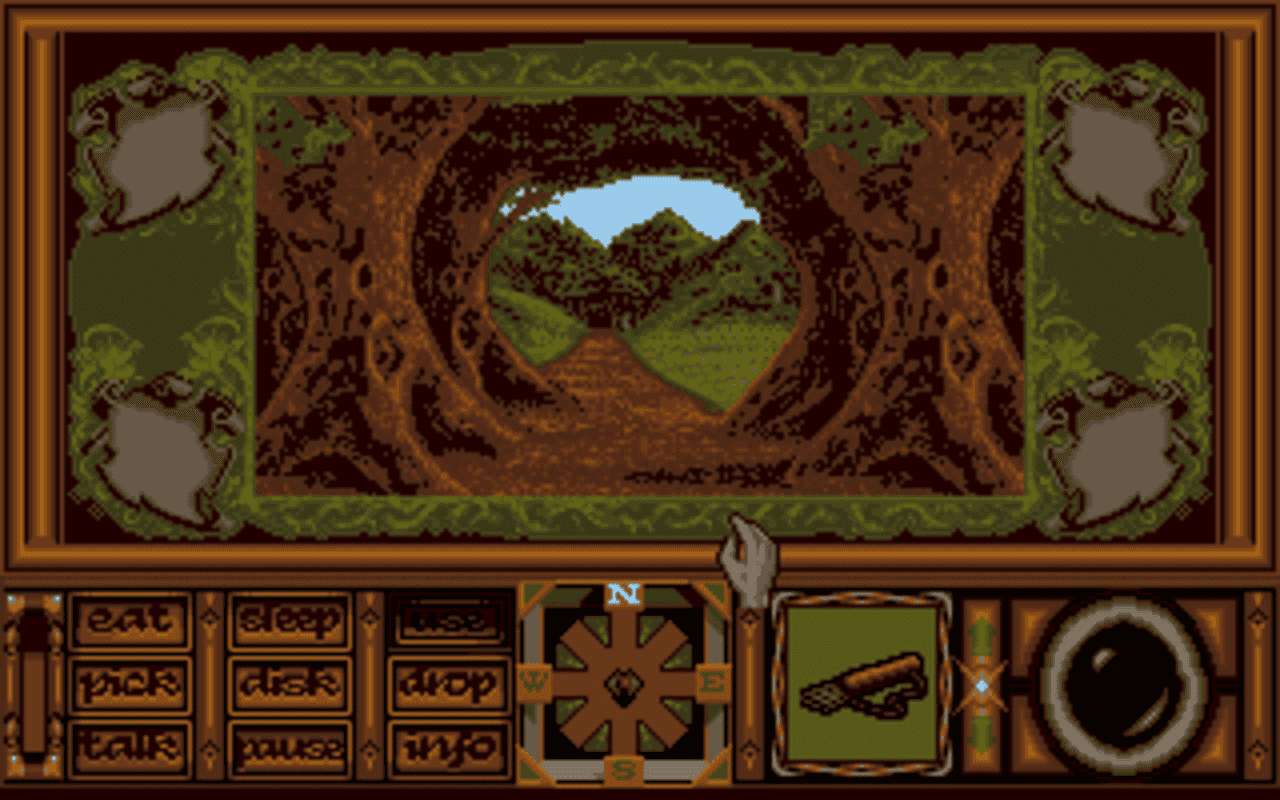
Most of Obitus unfolds in large outdoor and underground areas viewed from a first-person perspective on a grid. Each step forward scrolls the scenery smoothly, creating a strong sense of motion as you weave through forests, moors and tunnels. Landmarks are sparse, so you rely on a compass, visual cues and your own maps. Getting lost is easy, and turning that confusion into confidence is one of the most satisfying parts of the game.
Resource management is as important as navigation. Wil’s stamina drains as he travels, and food and safe resting spots are limited, so wandering aimlessly quickly becomes dangerous. You are encouraged to plan efficient routes between safe havens, locked doors and hostile zones, turning each region into a giant maze puzzle. Progress comes from understanding the layout of Middlemere and choosing the right sequence of actions rather than simply defeating enemies.
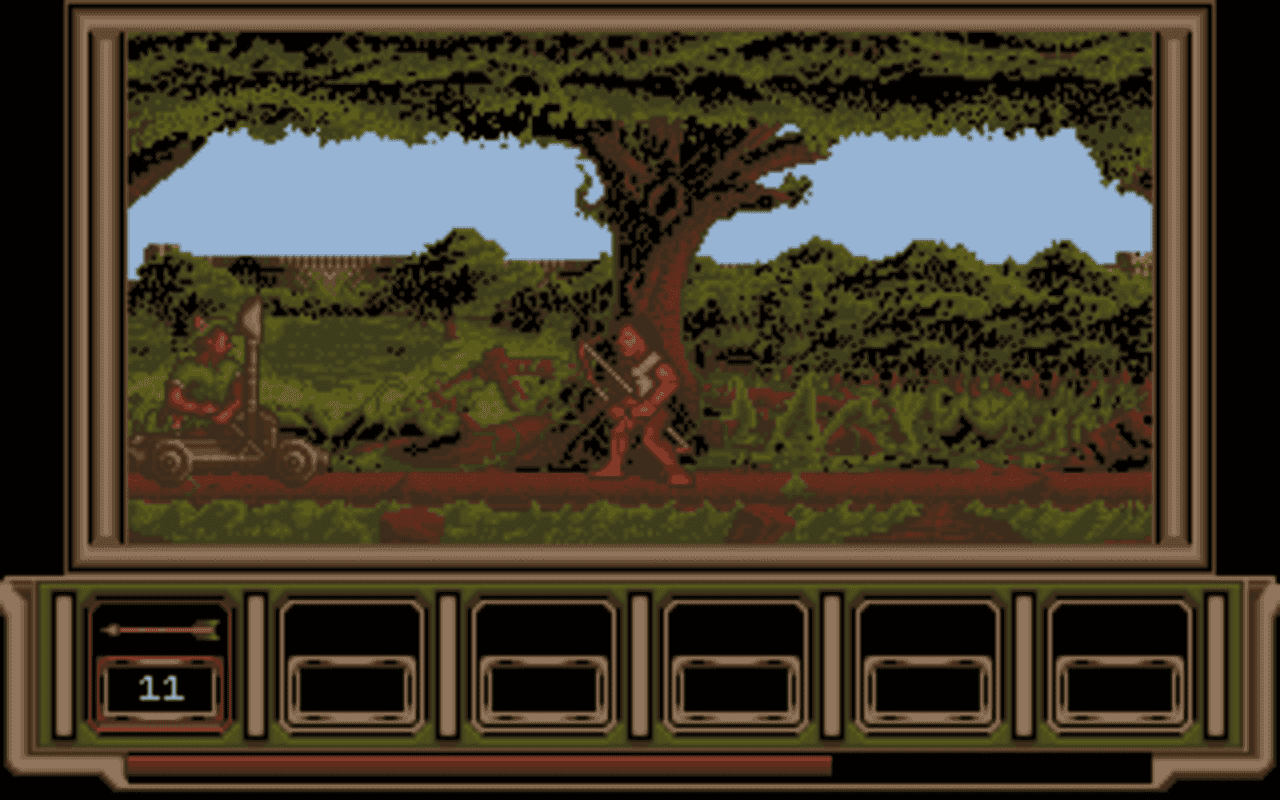
Reaching one of the great castles in each territory changes the viewpoint to a side-scrolling action scene. Suddenly you are jumping gaps, climbing ladders and fighting guards and monsters with melee and ranged weapons. These sequences bring faster-paced arcade-style play into the mix, yet they still depend on the items and health you managed to conserve while travelling through the wilderness. The shift between careful first-person mapping and intense 2D combat gives Obitus a distinctive rhythm, alternating between measured planning and direct action.
Although often described as a role-playing game, Obitus keeps character progression light. There are no experience points to spend or skill trees to customise. Your real growth comes from learning the world: which enemies to avoid, which objects matter, and how to link isolated areas into a coherent mental map. That focus on player knowledge helps the game age gracefully, because its challenges still feel fair and logical, rewarding observation and memory more than grinding.
Atmosphere, music and challenge in Obitus
A big part of Obitus’s appeal lies in its brooding, storybook atmosphere. The graphics present misty forests, lonely towers and claustrophobic catacombs with a distinctive style associated with many Psygnosis releases, combining bold silhouettes with fine, eerie detail. Ambient music and sharp sound effects reinforce the mood, making footsteps, blows and magical events feel weighty and significant, even when the visuals are relatively minimal.
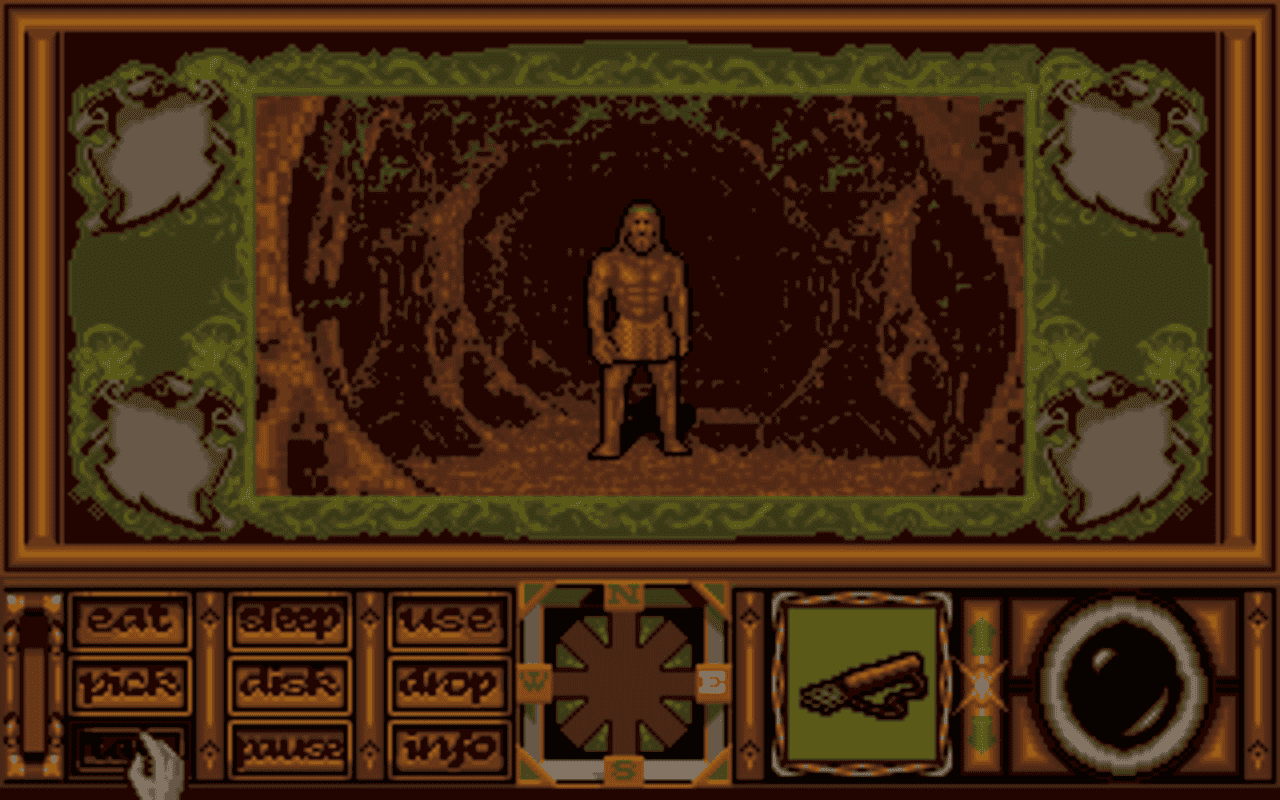
The world feels isolated and hostile, with only occasional friendly characters offering hints, items or a place to rest. Enemies, traps and environmental hazards mean that careless players are punished quickly, yet success never feels random. When you finally carve out a safe path through a hazardous region, you sense that it was planning and persistence, not luck, that made the difference. This demanding but fair design gives Obitus strong replay value, especially for players who enjoy methodical exploration and overcoming tough, but consistent, rules.
Play Obitus online and explore the kingdom of Middlemere
Obitus can be enjoyed today as a classic game that many players choose to play online, bringing its blend of first-person exploration and side-scrolling action to new audiences. In many modern implementations it is made available as a free game running directly in a web browser, so you can step into Wil Mason’s journey without dealing with vintage hardware or complicated setups. Browser-based versions often work smoothly on mobile devices as well, allowing you to explore Middlemere on phones or tablets without additional restrictions. This style of access fits the structure of Obitus well, because its world is divided into distinct regions, each with its own castle, hazards and key items, making it suited to short sessions focused on mapping a new area or tackling a single stronghold.
Lasting appeal, learning curve and controls
Obitus has a reputation for a steep learning curve, but that difficulty is part of its charm. Early attempts often end with empty supplies or confusion in an unfamiliar forest. Over time, however, you begin to recognise repeating patterns in the scenery, remember critical junctions and understand where to conserve or spend precious resources. The once-impenetrable wilderness gradually becomes a place you know well, and that transformation is one of the most rewarding experiences the game offers.
The story of Wil and the fractured realm provides a simple overarching goal: recover the four gems and return to the tower whose name the game bears. That timeless “lost scholar saving a divided kingdom” premise helps Obitus remain approachable even for people who are new to classic adventure and role-playing games. The game ties every task, clue and combat encounter back to this central mission, so you always understand why you are pushing deeper into Middlemere’s dangerous corners.
Controls are straightforward once you get used to them. In first-person segments, you typically move one step at a time with directional keys, turning left or right and stepping forward across the grid-based landscape. Separate commands handle interactions such as opening doors, talking to characters and managing your inventory. During side-scrolling castle sections, horizontal movement, jumping and attacking allow you to navigate platforms and fight enemies using whatever weapons you have found. After a brief adjustment period, these inputs become instinctive, allowing you to focus fully on exploration and survival rather than the interface.
Taken as a whole, Obitus stands out as a distinctive hybrid of fantasy narrative, deliberate exploration and sharp, arcade-style combat. Its emphasis on mapping, resource management and player knowledge gives it a unique identity among classic DOS titles. For anyone who enjoys getting lost in mysterious landscapes, piecing together routes and gradually mastering a dangerous world, Obitus remains a compelling game to revisit and play online.
All codes used in this game are publicly available, and Obitus remains the property of its original authors and rights holders.