Paganitzu and the lost-art charm of DOS puzzle adventure
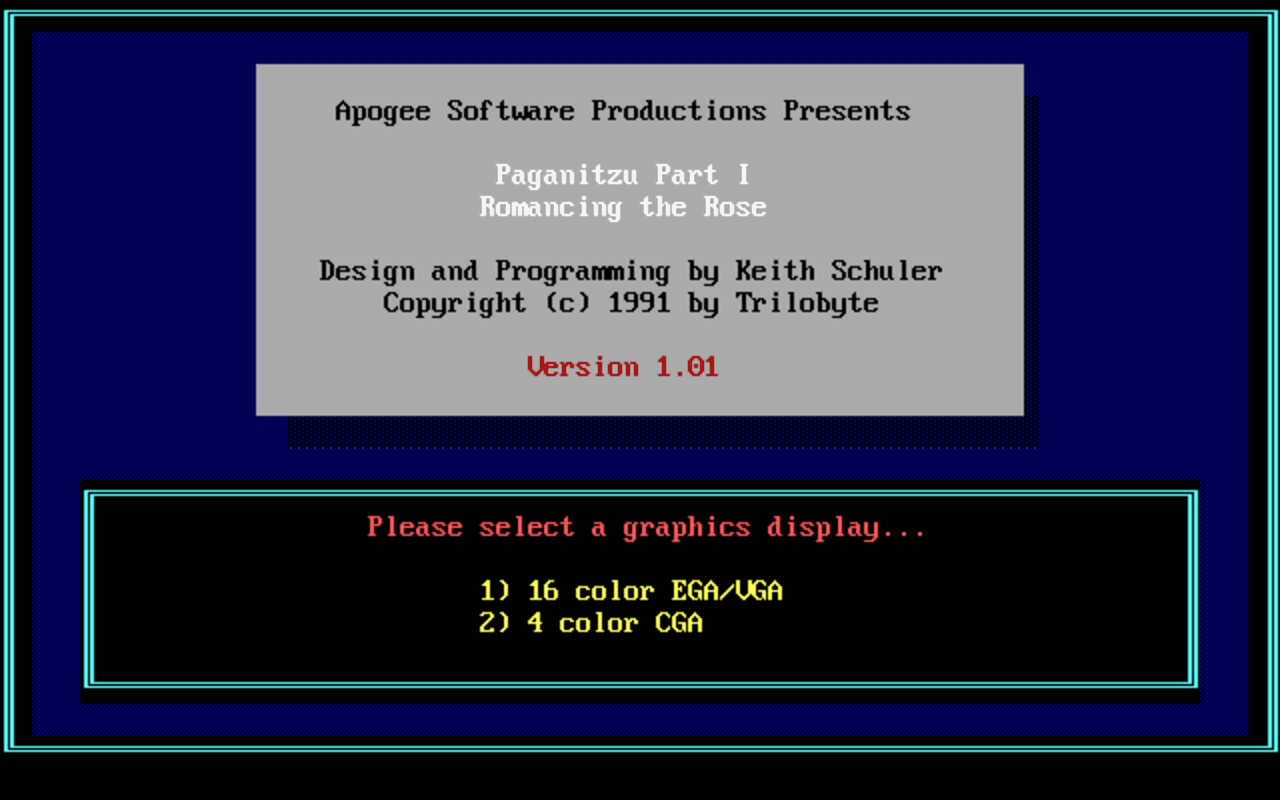
Paganitzu is one of those classic DOS experiences that turns a simple idea into something unexpectedly rich. Created by Keith Schuler and published by Apogee Software, the game places the player in the role of Alabama “Al” Smith, an explorer venturing into an ancient pyramid where every room hides a new test of timing, logic, and nerve. Rather than relying on speed alone, Paganitzu builds its identity around thoughtful movement, environmental hazards, and a steady feeling that the next screen may reveal either a brilliant solution or a sudden disaster. Its core premise is easy to understand, yet the challenge grows in inventive ways that make the game easy to remember.
What makes Paganitzu stand out is the way it combines puzzle structure with adventure flavor. Many classic games ask the player to move from one stage to another, but Paganitzu gives those stages a stronger sense of place. The pyramid does not feel like an abstract board of obstacles. It feels mysterious, hostile, and alive with secrets. Keys unlock progress, boulders reshape the path ahead, and dangers can be manipulated as part of the solution. The result is a game that turns each chamber into a miniature drama. You are never simply moving blocks. You are surviving an archaeological nightmare one deliberate step at a time.
Why Paganitzu still feels rewarding to play
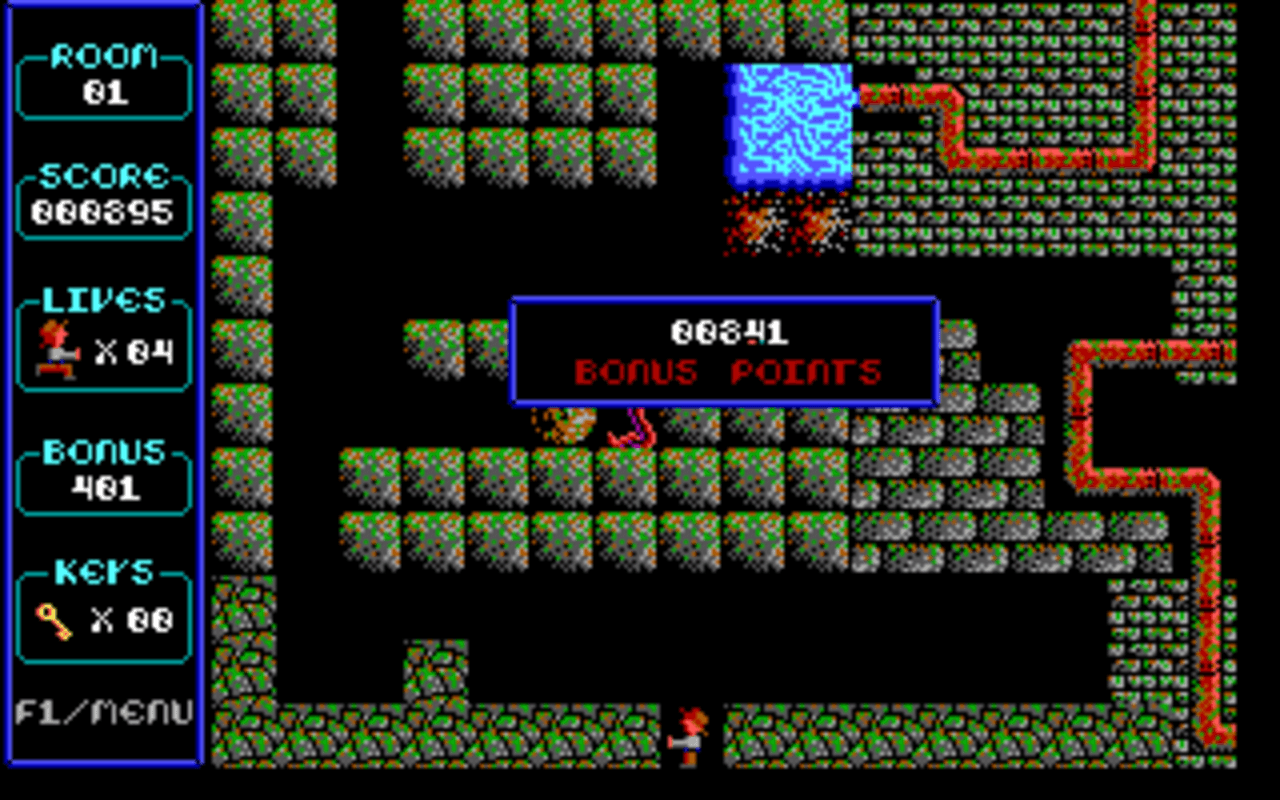
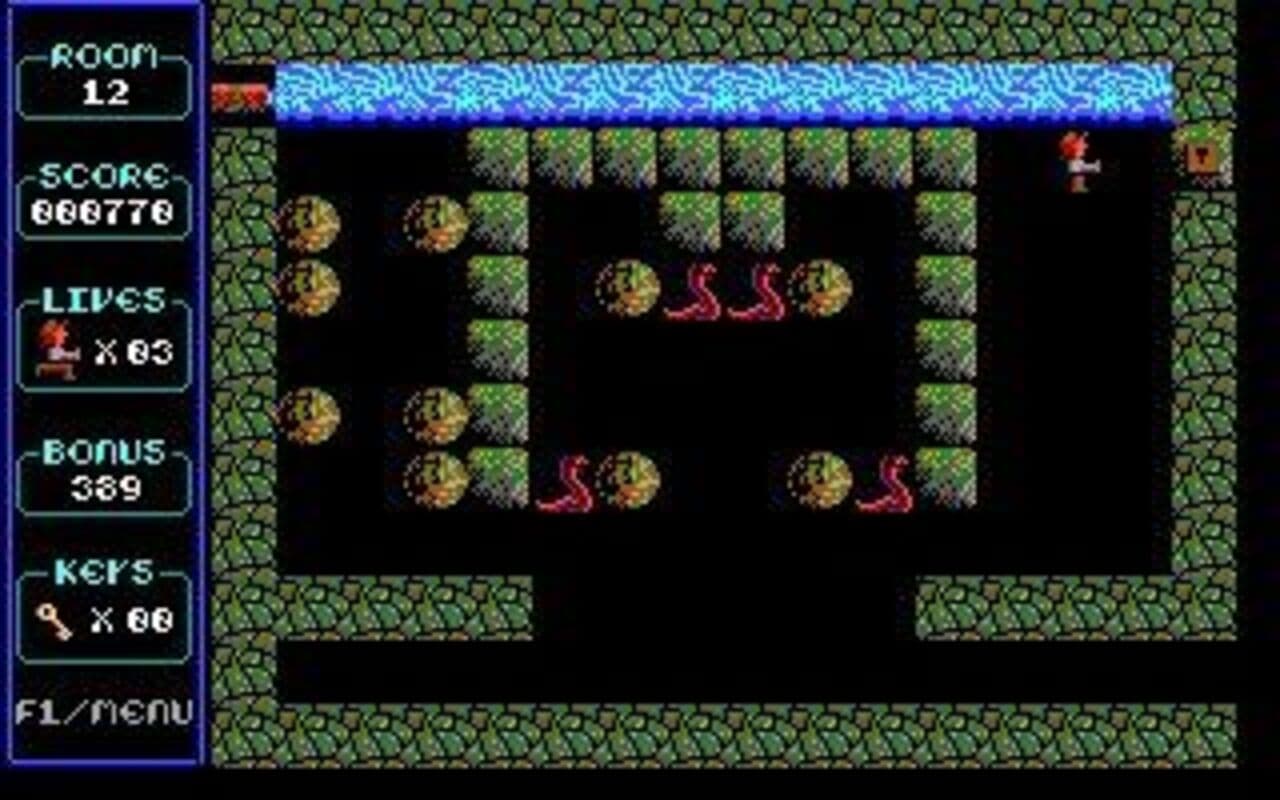
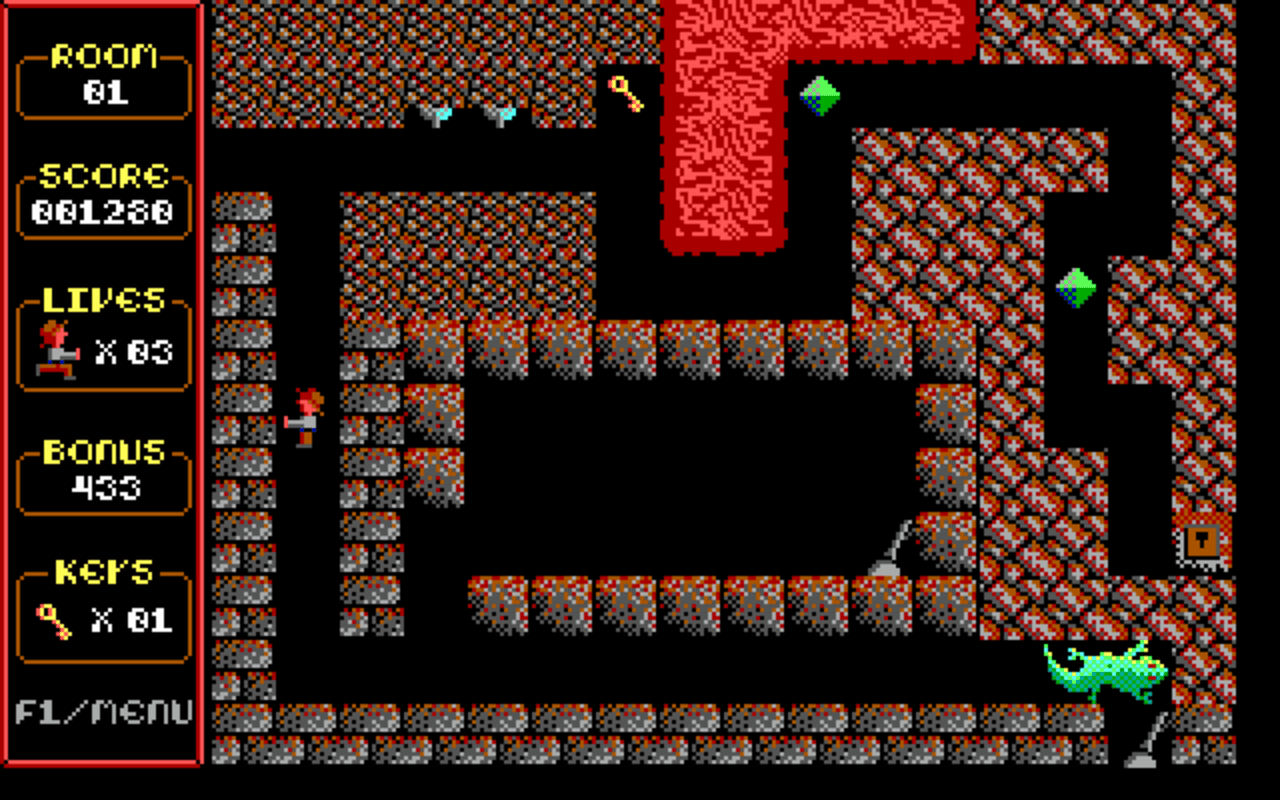
The brilliance of Paganitzu lies in how much meaning it extracts from a top-down room. A single level can ask you to trap an enemy, redirect your route, block a hazard, or create safe ground by pushing stones into dangerous terrain. Those mechanics give the game a tactile feel, even though the presentation is simple. Every object matters. Every square can become part of a solution. When you finally understand a room that looked impossible moments earlier, the satisfaction is immediate.
This is also where the game earns its lasting appeal for players who enjoy thoughtful design. Paganitzu does not overwhelm the player with excessive complexity at the start. Instead, it teaches through repetition and surprise. You learn the behavior of creatures, traps, and special objects by watching what happens when you experiment. That approach gives the adventure a natural rhythm. Some rooms are tense and reactive, while others invite calm planning. Together they create a steady alternation between pressure and reflection, which keeps the play experience lively.
The episodic structure adds to that momentum. Paganitzu was published in three episodes, each bringing its own flavor and introducing new twists to the formula. This helps the game avoid sameness. Just when the player becomes comfortable with one style of challenge, the next section changes the terms and asks for a new approach. That variety gives the game a broader scope than many puzzle titles from the same era.
Play Paganitzu online
Play Paganitzu online and its strengths become clear almost immediately. The game’s room-based structure makes it ideal to enjoy free in a browser, because each chamber offers a self-contained challenge while still contributing to a larger adventure. Its straightforward movement, readable top-down perspective, and focused puzzle design also make it comfortable to play on mobile devices without restrictions, as well as on desktop systems for players who prefer keys and precise directional control.
Part of the appeal of playing Paganitzu online is how naturally its design fits modern play habits while remaining entirely classic in spirit. You can approach it as a quick mental challenge, spending time on a single puzzle room, or sink into a longer session and follow Al Smith deeper into the pyramid. Because the game is built on careful observation rather than technical complexity, it loses none of its identity when revisited in a browser. Its logic, traps, and exploration still do the heavy lifting. That is the mark of a durable design: it remains compelling wherever people choose to play.
Another reason Paganitzu adapts so well is its clarity. The objective in most rooms is visible, but the correct path is not. That tension keeps the game inviting. You see the problem, yet solving it takes thought. Online play highlights this beautifully, because the player can focus entirely on reading the room, testing ideas, and enjoying the elegant cruelty of the puzzle design. The experience feels immediate, but never shallow.
Ancient ruins, clever traps, and the personality of Paganitzu
For a puzzle game, Paganitzu has a surprisingly vivid personality. The setting of an Aztec-inspired pyramid gives the whole adventure an exotic, mythic tone. Spiders, snakes, spears, statues, hidden routes, and strange mechanisms all reinforce the sensation that this is not a sterile test chamber but a dangerous place with history and attitude. Even when the mechanics are abstract, the theme helps them feel dramatic. A flame trap is not just a moving obstacle. It is part of the story the room is telling.
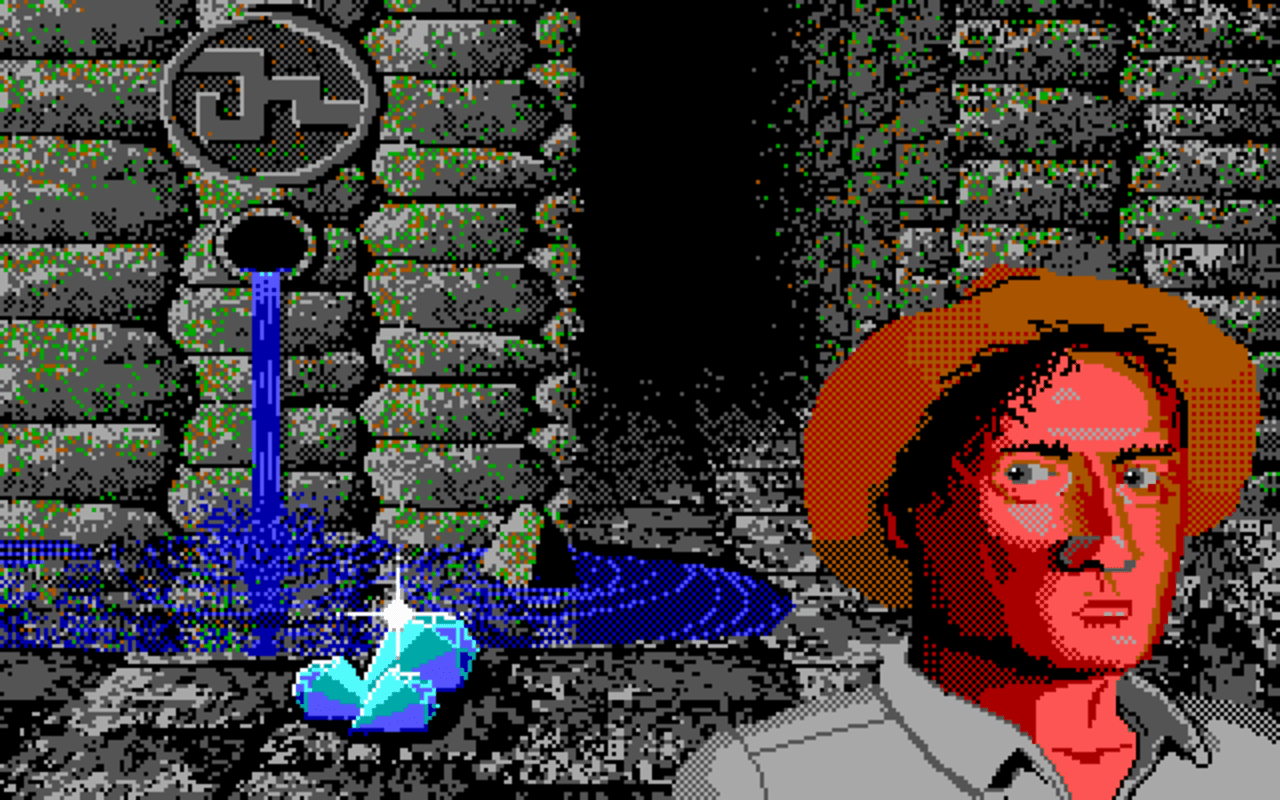
The central hero also adds charm. Alabama Smith is clearly designed as a playful homage to pulp treasure hunters, which gives the game a slightly humorous edge without weakening the tension. That tone matters. Paganitzu never becomes overly solemn. Instead, it balances peril with a sense of adventurous fun. The player is exploring forbidden depths, but the game still leaves room for personality and spectacle. This mix of suspense and lightness helps it remain approachable.
Visually, the game makes strong use of limited means. The top-down rooms are easy to read, and that readability is crucial in a puzzle game. Hazards, movable objects, and pathways are clear enough to support planning, yet the imagery still gives the pyramid atmosphere. The rooms feel compact but expressive. In many classic games, technical simplicity can age poorly. In Paganitzu, simplicity becomes a strength because it serves the design so directly.
Paganitzu as a classic game of thinking before moving
A great puzzle game encourages the player to slow down, and Paganitzu understands that principle perfectly. Rushing is often punished. Hesitation can be useful. Observation becomes a tool as important as movement. That is why the game continues to resonate with people who enjoy challenges built on logic rather than reflex alone. Even when enemies or projectiles introduce urgency, the deepest satisfaction still comes from understanding the room rather than reacting wildly inside it.
This emphasis on thinking gives Paganitzu an identity that separates it from pure action titles. It invites the player to become methodical. You begin noticing patterns, predicting outcomes, and learning how one small decision can transform the entire room. Those moments are the heart of the game. They make success feel earned. They also make failure useful, because a mistake usually teaches something about the puzzle’s hidden structure.
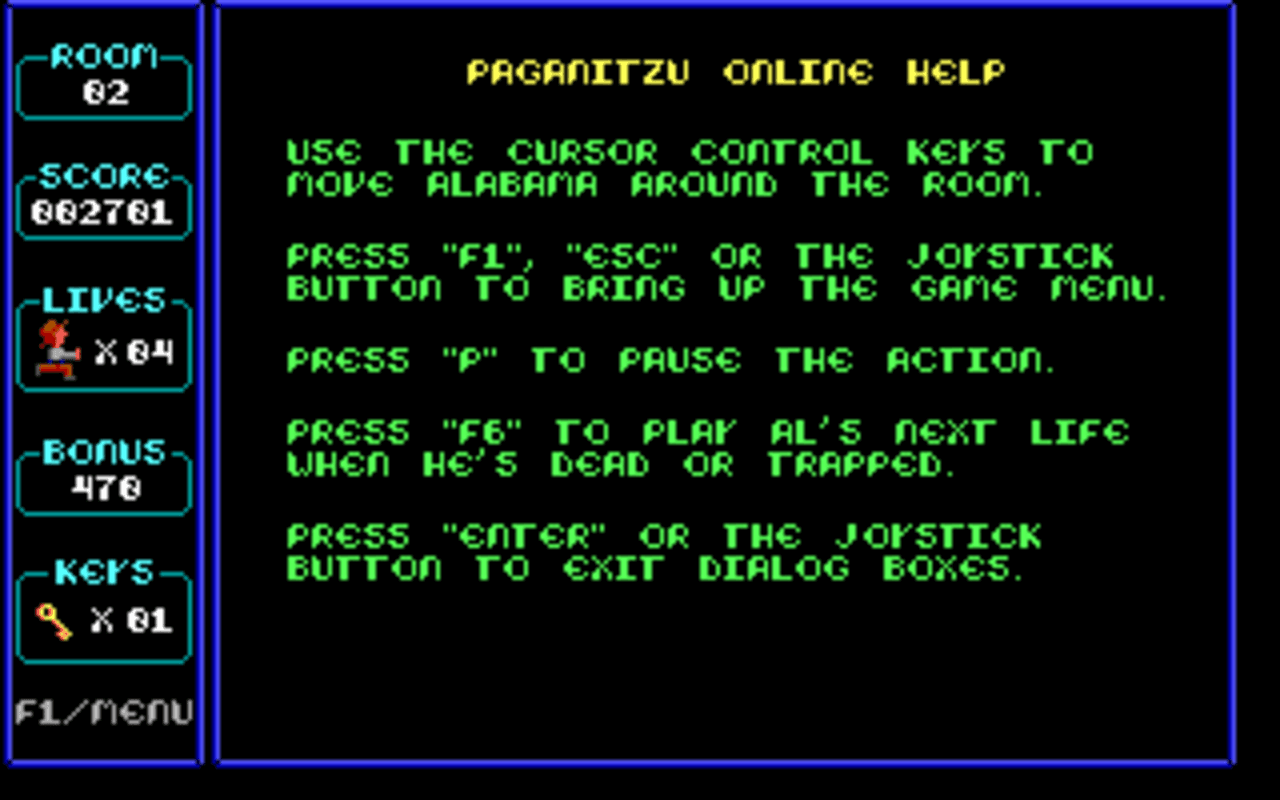
Paganitzu remains a memorable game because it unites theme, challenge, and pacing so neatly. It offers ancient ruins, clever hazards, and layered room design in a form that stays engaging long after its era. The summary is simple: this is a smart, atmospheric puzzle adventure that rewards patience and curiosity. Control is equally simple, with movement typically handled through the keyboard directional keys and actions centered on careful positioning and timing.
All used codes are publicly available, and the game belongs to its original authors.