The Magic Candle II: The Four and Forty and the charm of classic fantasy role-playing
The Magic Candle II: The Four and Forty arrived during the fertile early era of DOS fantasy role-playing games, when developers were still experimenting with how much freedom, simulation, and storytelling could fit inside a single adventure. Developed by Mindcraft Software and released for DOS in 1991, the game followed the original The Magic Candle and continued the studio’s work in the world of Deruvia. It belongs to that memorable generation of computer RPGs that cared as much about mood and travel as combat, asking players to think like adventurers instead of simply chasing experience points through endless battles.
What makes this game stand out is not flashy spectacle, but texture. The world feels lived in, and the journey has a weight that many later games streamlined away. Rather than pushing the player through a narrow heroic corridor, The Magic Candle II: The Four and Forty encourages steady exploration, conversations, and preparation. Its quest centers on the mystery of the forty-four mages who vanished years earlier, and that premise immediately gives the adventure a tone of myth, absence, and quiet danger. Even before the stakes fully reveal themselves, the game creates the sense that every town, road, and ruin may hide a clue worth following.
Why The Magic Candle II: The Four and Forty feels different from other RPGs
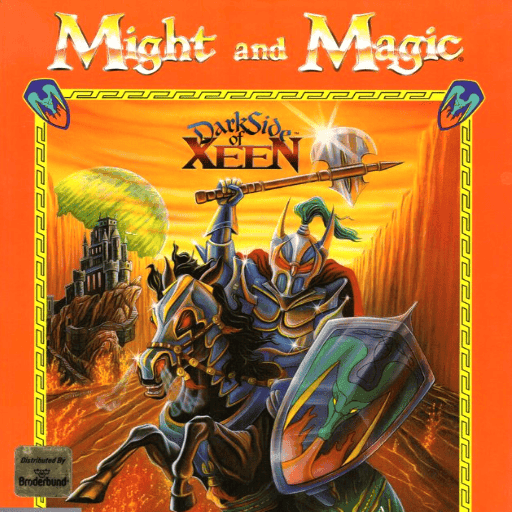
Many classic RPGs invite comparison, and this one naturally brings to mind Ultima VI because of its world-building and the way everyday routines matter. It also shares a kinship with Might and Magic III through its large-scale fantasy travel and party-based structure, yet The Magic Candle II: The Four and Forty prefers a more grounded rhythm. Characters improve through skills and training rather than through a simple level-based race, and the game pays attention to practical details that make the adventure feel almost like a simulation of life on the road.
That design choice gives the game much of its lasting identity. Time matters. Preparation matters. The composition of your party matters. Instead of treating travel as empty space between dungeons, the game turns movement through the world into part of the experience. This slower cadence gives victories a satisfying flavor, because progress feels earned through attention and judgment. The result is a fantasy game that is not merely about defeating enemies, but about understanding a world and learning how to survive within it.
The party system also helps the game maintain its appeal. The player manages a group rather than a lone hero, and that creates a stronger strategic layer. Different characters bring different strengths, and the game’s skill system supports unusual talents beyond the standard sword-and-sorcery expectations. That helps the journey feel more personal, because party building is not only about raw strength, but about how you want to solve problems and navigate the world. One especially distinctive touch is the ability to import characters from earlier titles in the series, which gives the adventure a satisfying continuity for returning players and strengthens the sense that this world has history.
The Four and Forty storyline, atmosphere, and exploration
The story is one of the game’s strongest qualities. Rather than relying on constant urgency or nonstop confrontation, it unfolds through discovery and accumulation. The missing mages at the heart of the plot give the journey a haunting framework, and the fantasy setting gains depth from that mystery. You are not only moving toward a destination; you are reconstructing a broken past. That narrative approach gives the game a literary quality that still feels rewarding, because it trusts the player to piece the world together gradually.
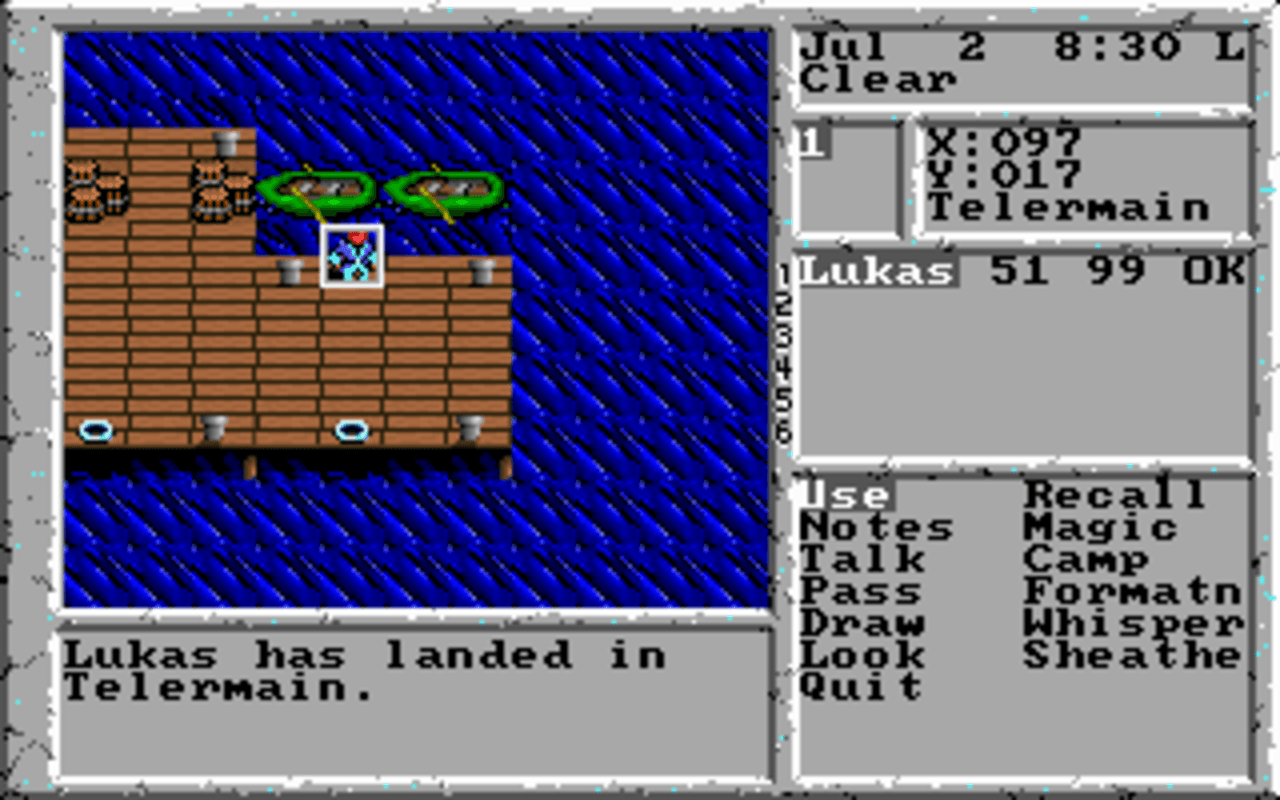
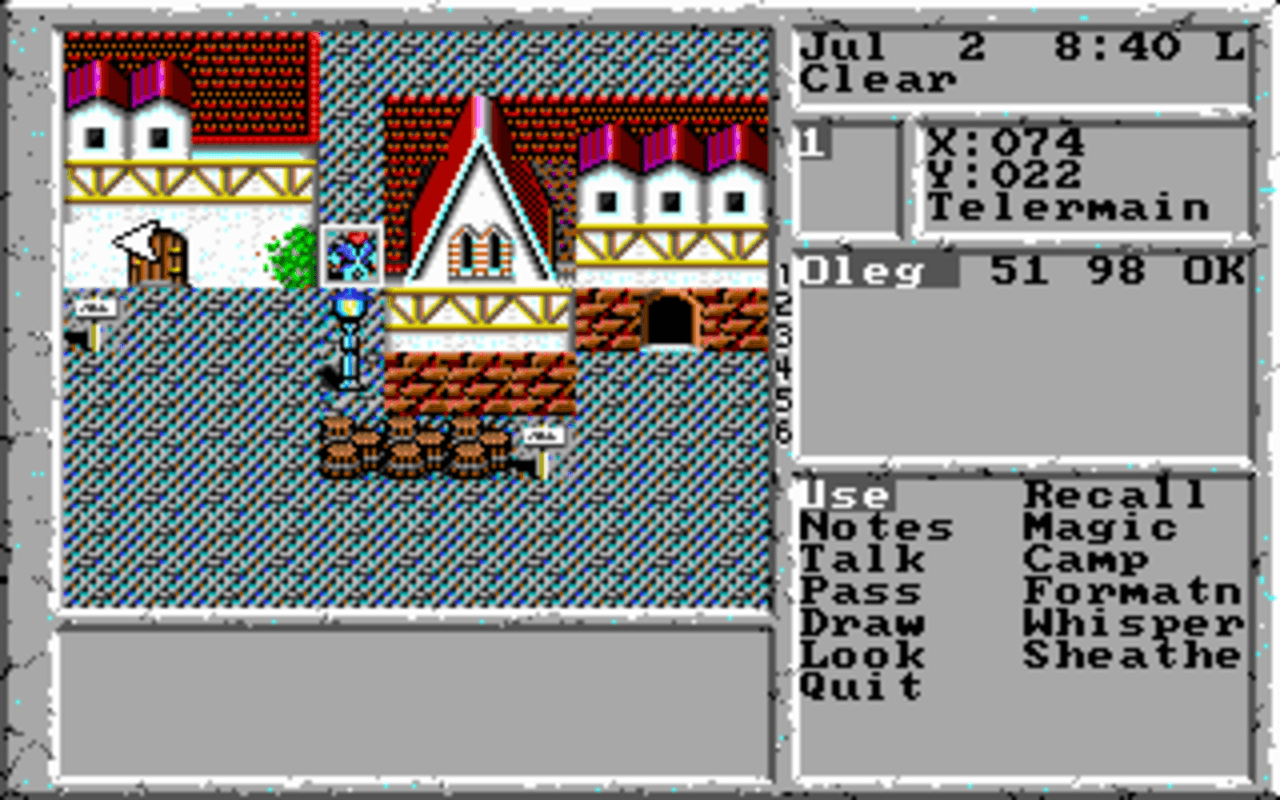
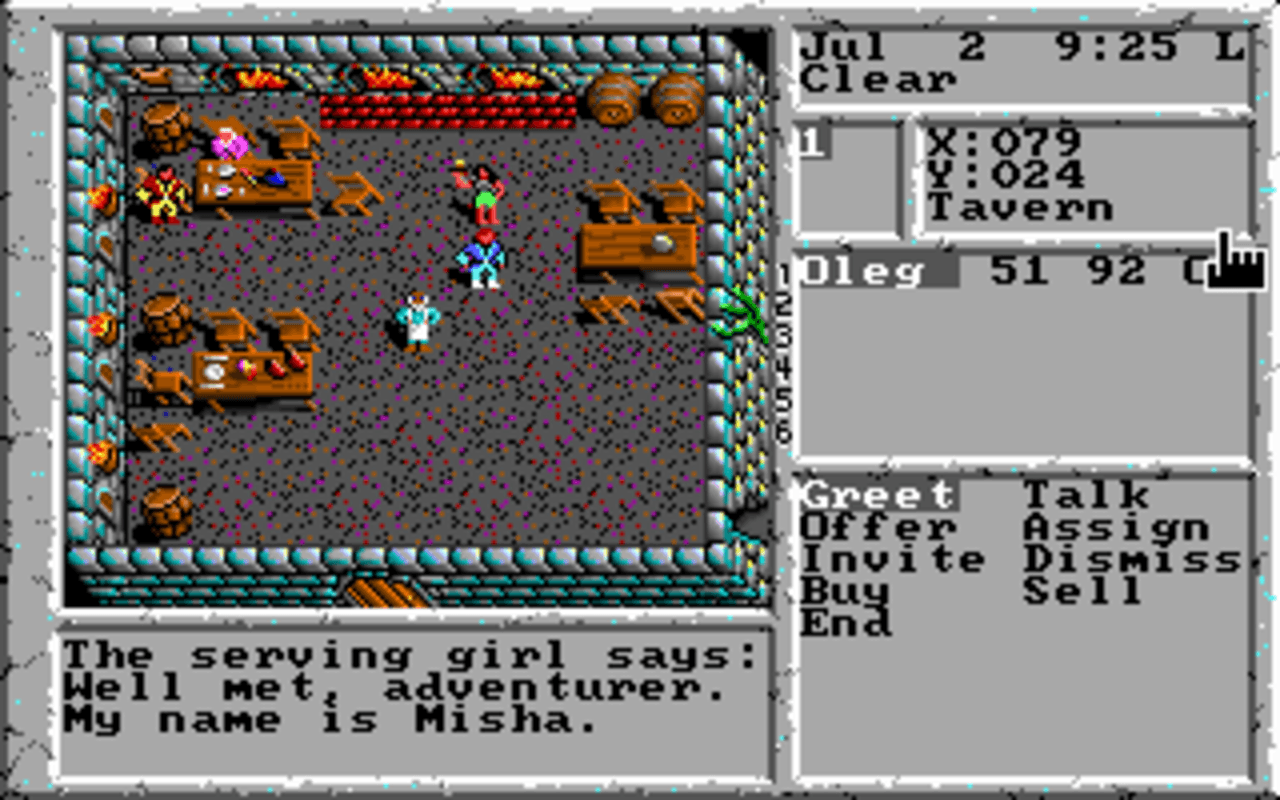
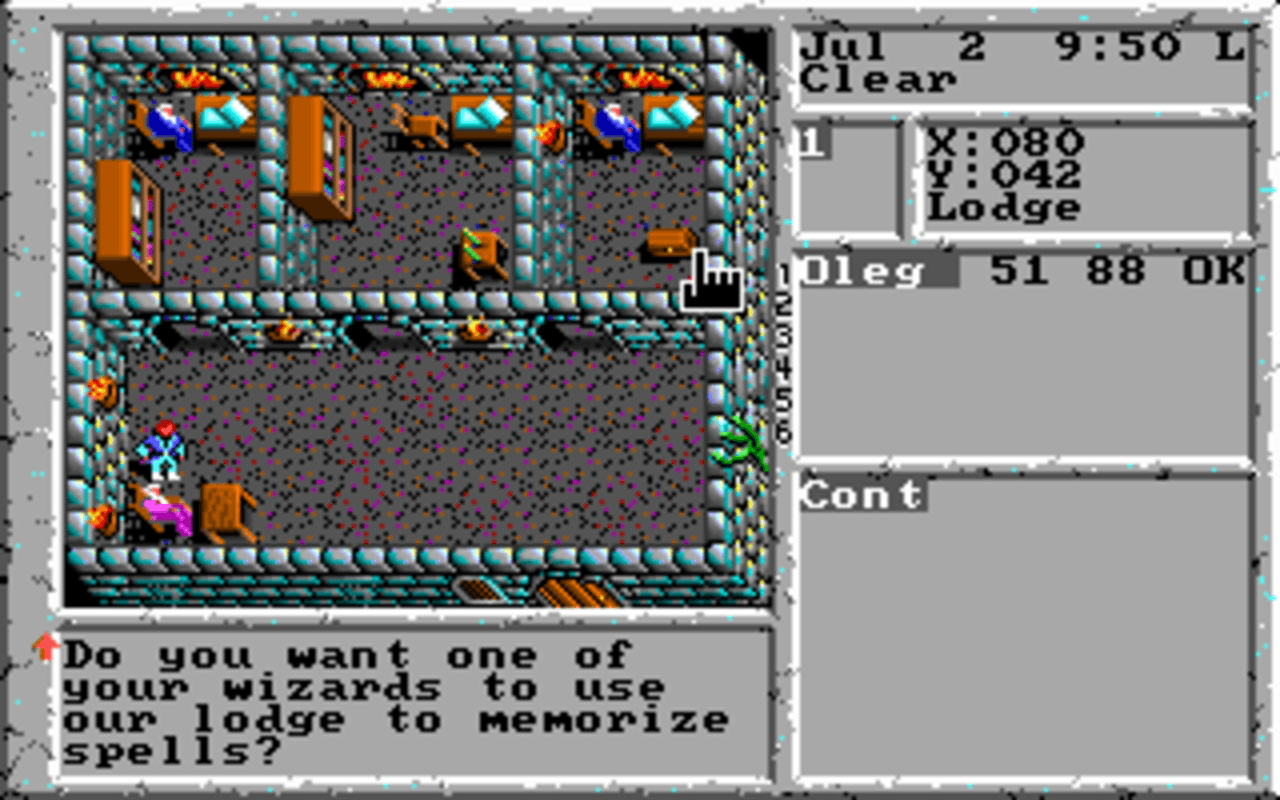
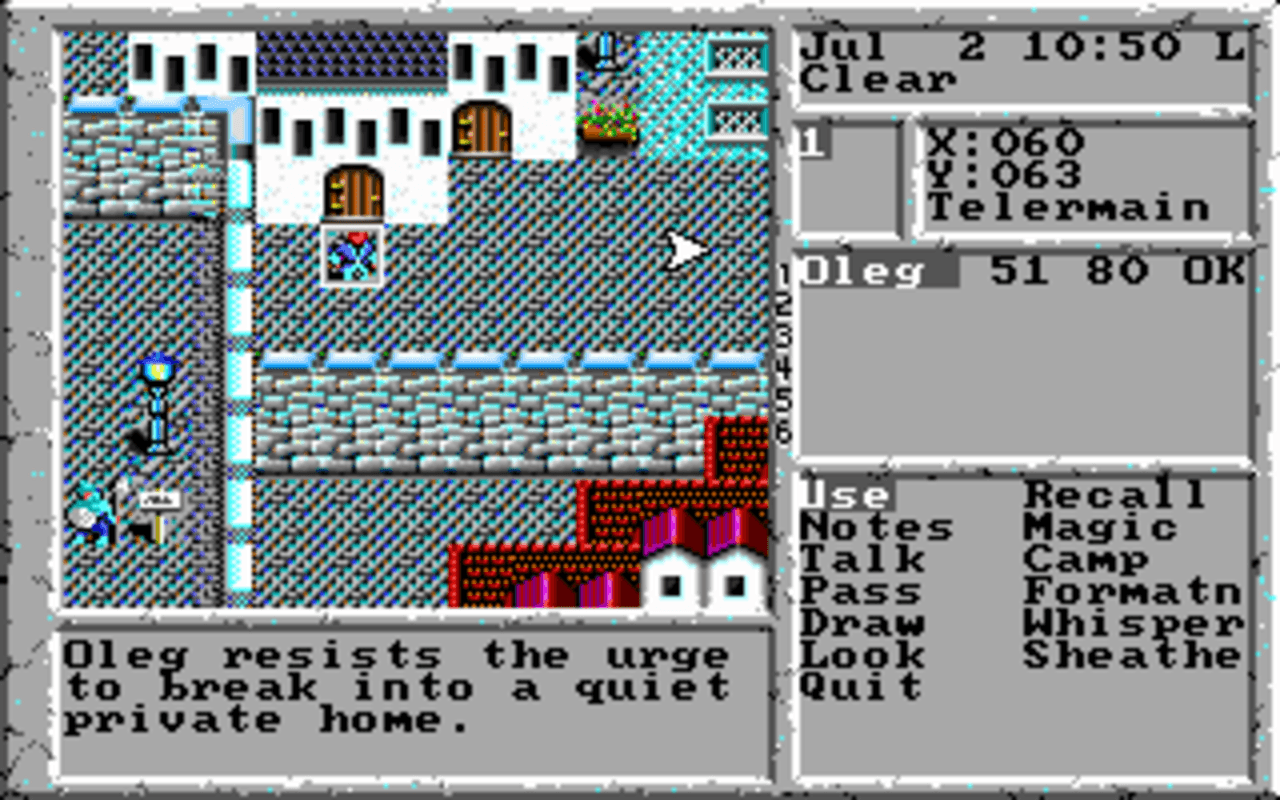
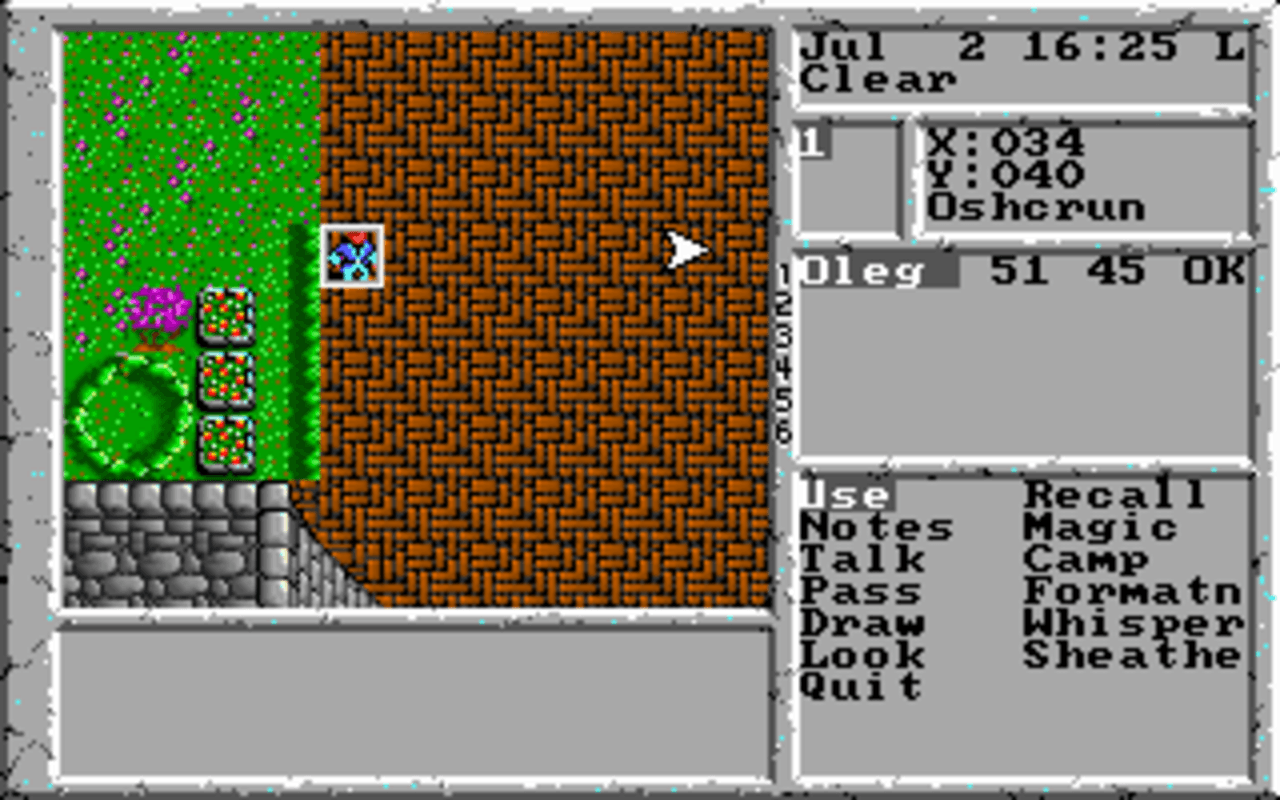
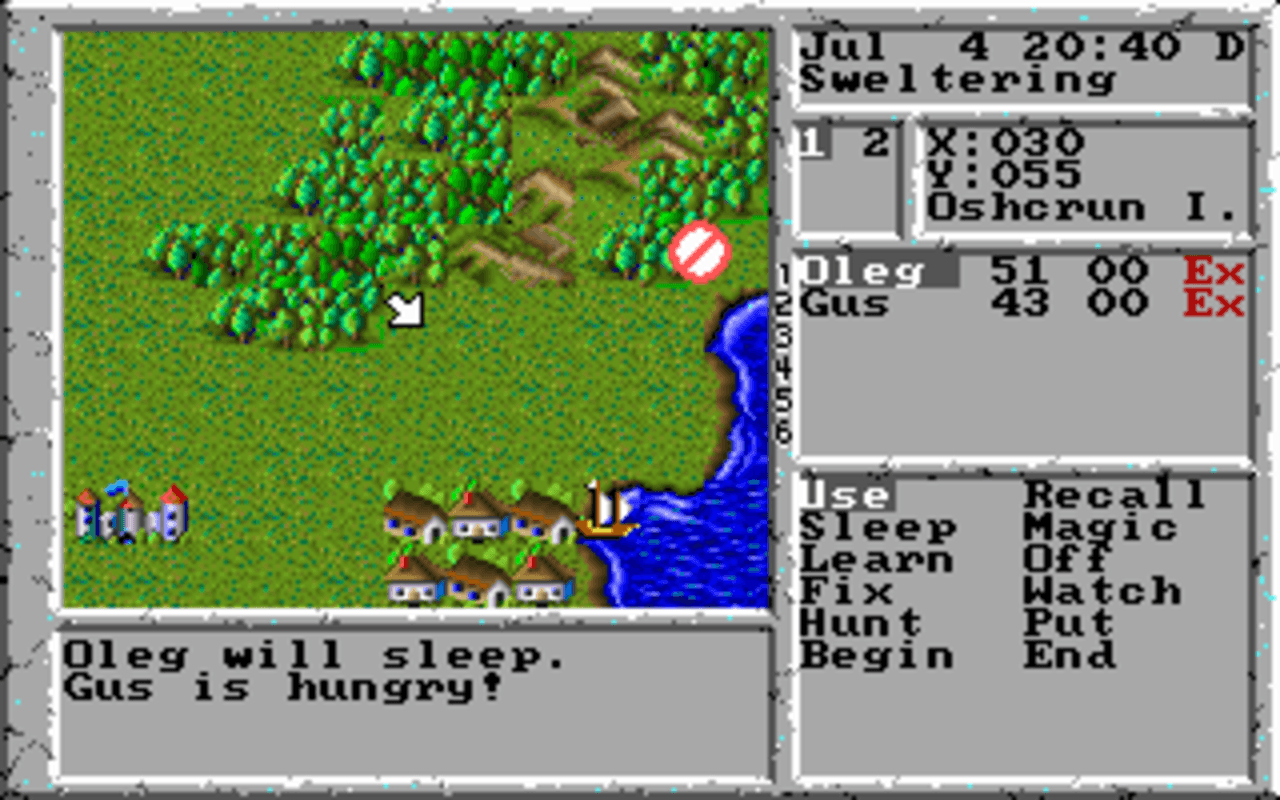
Visually, the game reflects its era, with a top-down perspective and a style that favors readability over grand theatrical presentation. Yet those limits often work in its favor. Towns, wilderness routes, and interiors are easy to scan, and imagination fills in what the technology leaves unsaid. Sound and atmosphere support the same effect. The world does not overwhelm with excess; instead, it creates a calm but persistent sense of place. That understated presentation is part of why the game remains interesting to revisit: it leaves room for the player’s own sense of adventure to grow.
Exploration is where the game becomes especially rewarding. The Magic Candle II: The Four and Forty does not treat knowledge as decorative. Clues, directions, and small details genuinely matter, which means the player is encouraged to pay attention in a way that feels refreshing. The world seems less like a set of disconnected maps and more like an actual realm with relationships between places, events, and people. That cohesion is one reason the game has endured in the memory of classic RPG fans. It offers not just a sequence of encounters, but an entire fantasy journey shaped by curiosity.
Play The Magic Candle II: The Four and Forty online
Play The Magic Candle II: The Four and Forty online if you want a classic fantasy game that rewards thoughtful play more than haste. Its structure fits surprisingly well with modern access, because the adventure is built around exploration, reading, party planning, and tactical decision-making rather than rapid reactions. That makes it easy to appreciate in a browser, and it also feels comfortable on mobile devices where a slower, menu-driven RPG can still be enjoyable. For players seeking a free way to experience a substantial old-school quest, this is the kind of online game that still offers depth without restrictions on how its world can be approached. The appeal is not novelty, but the richness of a design that continues to invite careful play.
What keeps the game compelling online is the same thing that made it compelling in its original form: it gives the player room to think. Battles are turn-based, exploration is measured, and progress comes from understanding systems rather than exploiting speed. That means the experience remains satisfying whether you approach it as a piece of RPG history or simply as a strong fantasy game in its own right. It is especially rewarding for players who enjoy classic adventures that ask for observation, planning, and patience.
Why this DOS game still deserves attention
The Magic Candle II: The Four and Forty is not remembered because it was the loudest title of its era. It is remembered because it pursued a particular vision with conviction. Its world is expansive, its systems are deliberate, and its story carries a tone that is both adventurous and slightly melancholy. In a field crowded with dungeon crawls and combat-heavy quests, it offered something more contemplative. That gives it a lasting value for players who want a role-playing game with texture, identity, and a genuine sense of travel.
As a review, the fairest verdict is that this is a rewarding game for the right kind of player. Those who want constant action may find it measured, but players who enjoy classic fantasy worlds, party-building, and gradual discovery will find a great deal to admire. The controls are traditionally keyboard-and-mouse oriented, matching the style of DOS role-playing games, and the overall pace encourages careful menu use, map reading, and tactical battle choices rather than rushed inputs. The Magic Candle II: The Four and Forty remains a thoughtful and atmospheric RPG whose strengths lie in world-building, mystery, and the pleasure of earning every step forward.
All used codes are publicly available, and The Magic Candle II: The Four and Forty belongs to its original authors.