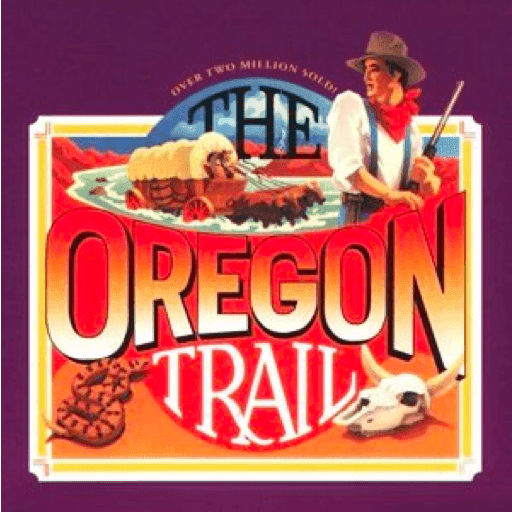
Play The Oregon Trail Online
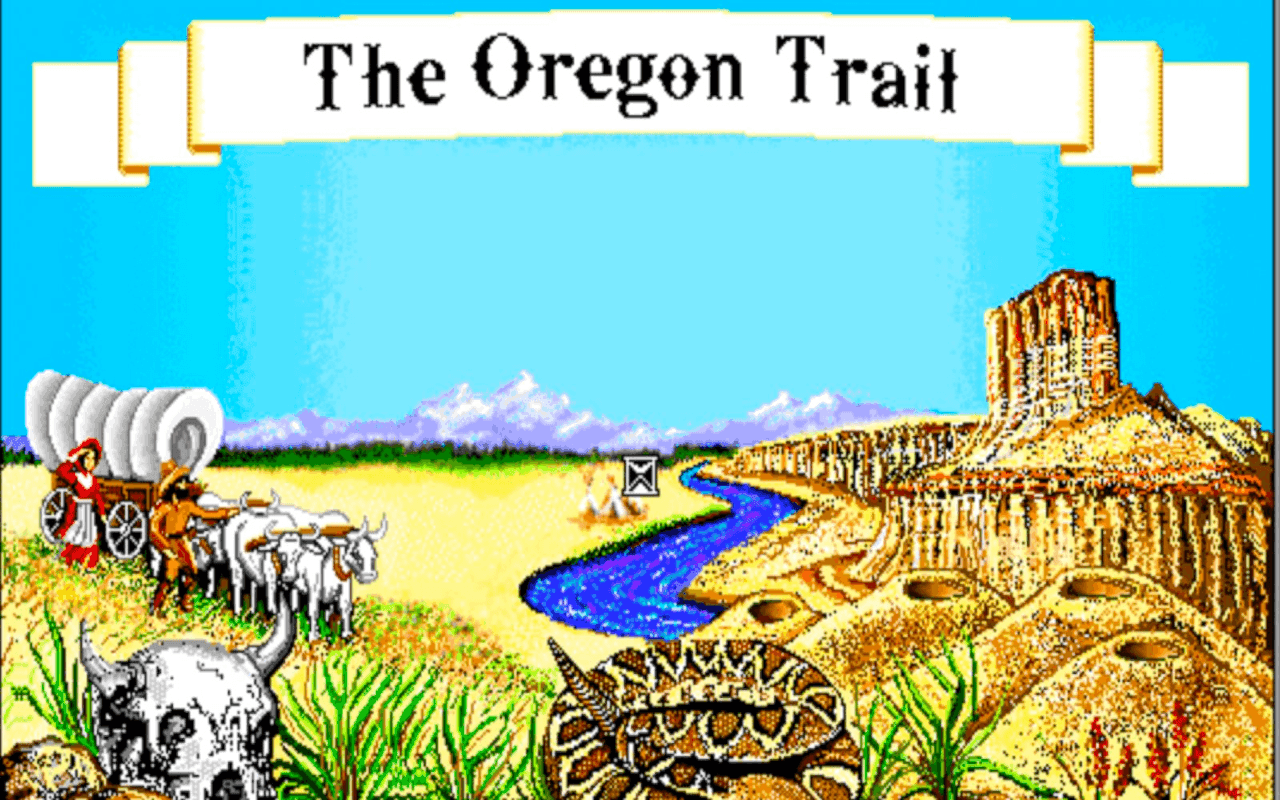
Play The Oregon Trail online and see why this classic DOS game still holds up. The idea is simple, but the pressure never really goes away: buy wisely, travel carefully, hunt when you must, and try to keep your wagon party alive all the way to Oregon. One bad choice can cost you food, time, health, or the journey itself, which is exactly why the game remains so memorable.
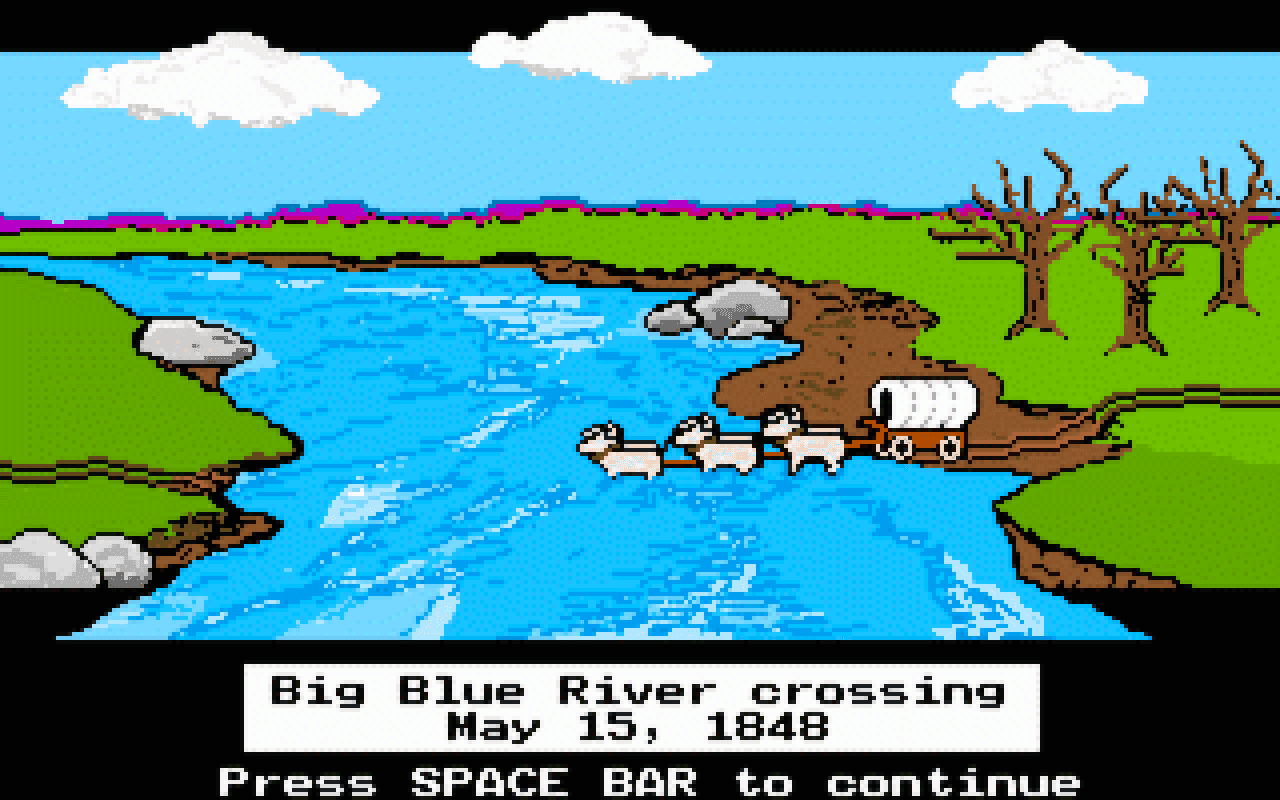
Unlike many retro titles that rely mostly on nostalgia, The Oregon Trail still feels readable and immediate. Every stop matters. Every river crossing feels risky. Every shortage creates a new problem. That mix of planning, luck, and survival is what makes this game more than a history lesson — it is a proper strategy experience that still works beautifully in a browser today.
Why The Oregon Trail Still Works
The strength of The Oregon Trail is not speed or action. It is tension. You are constantly making small decisions that build into bigger consequences: how much food to carry, when to rest, whether to hunt, whether to push forward, and how much risk to accept when the trail turns against you.
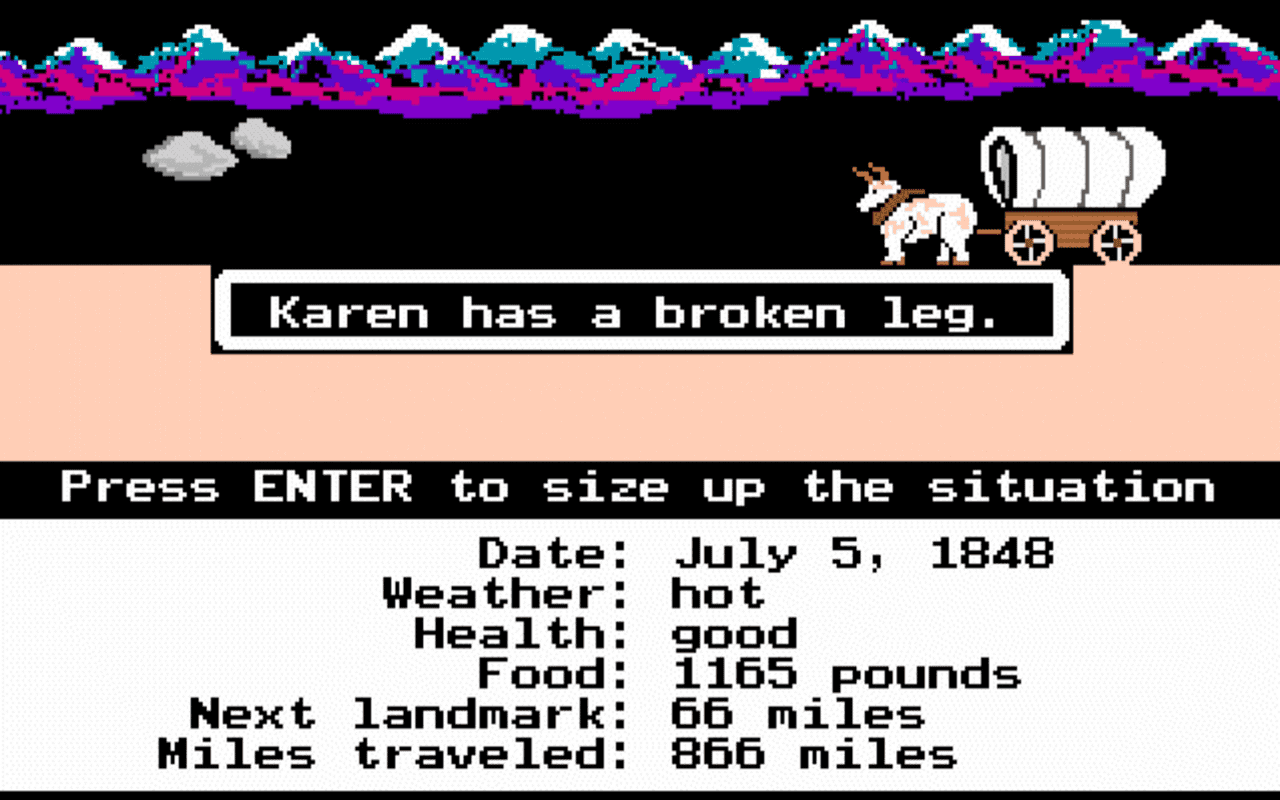
That is also why the game became such a cultural touchstone. People remember it not just because they played it in school, but because it creates stories. A run can fall apart because of disease, broken wheels, bad weather, poor planning, or a decision that looked reasonable five minutes earlier. Few classic games turn basic systems into such a strong sense of drama.
How to Play The Oregon Trail
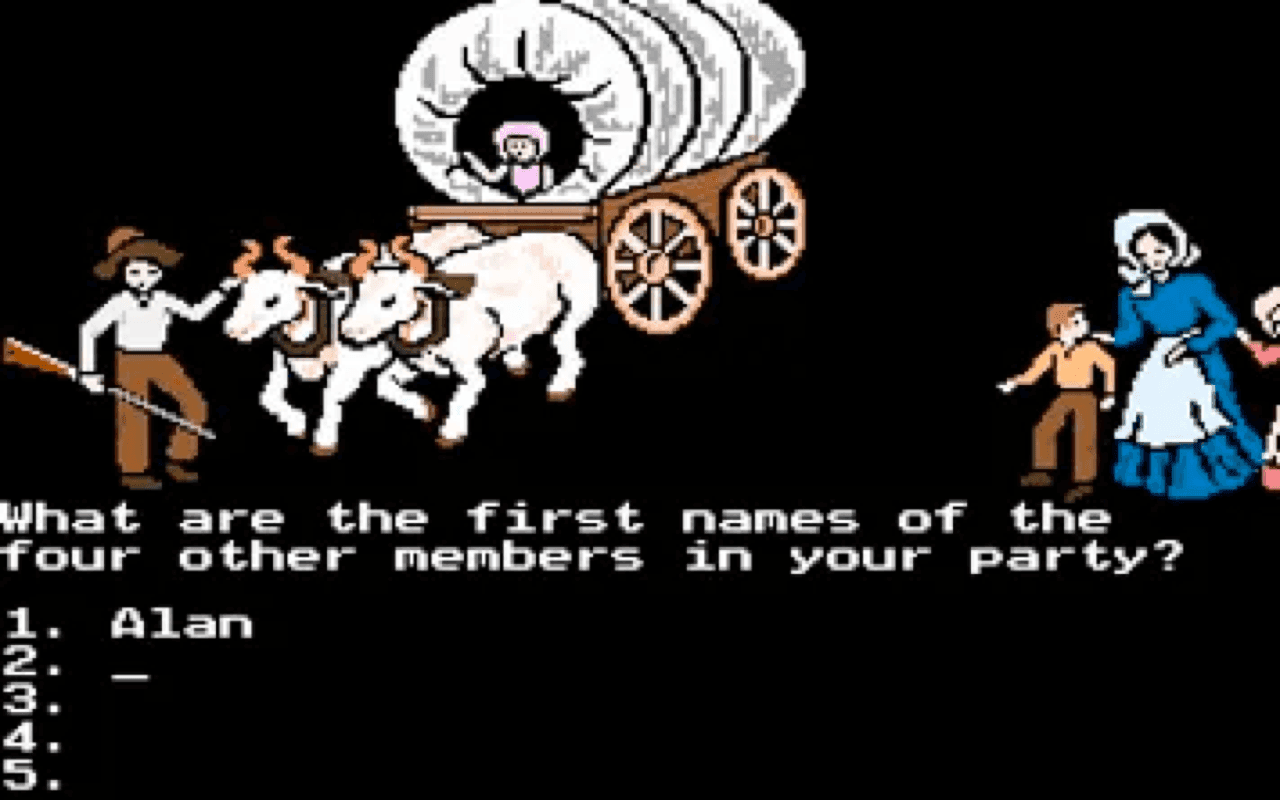
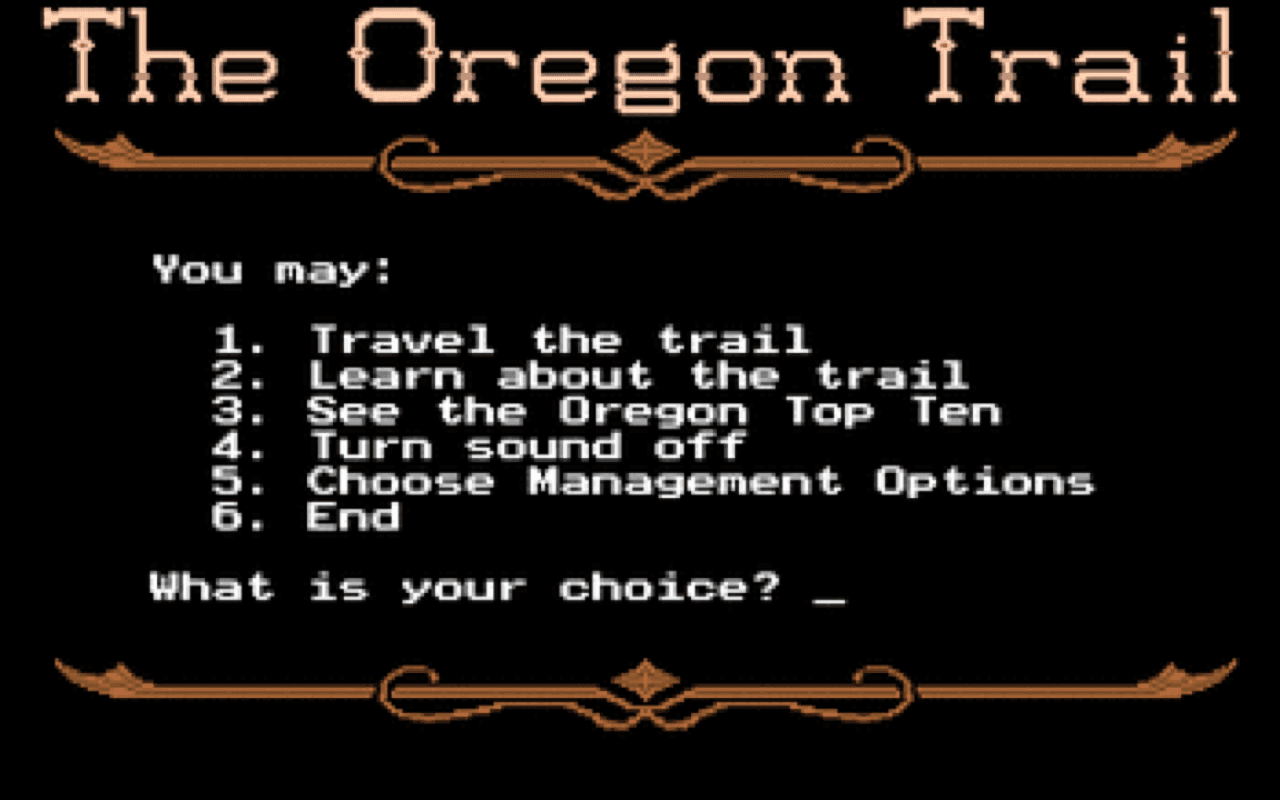
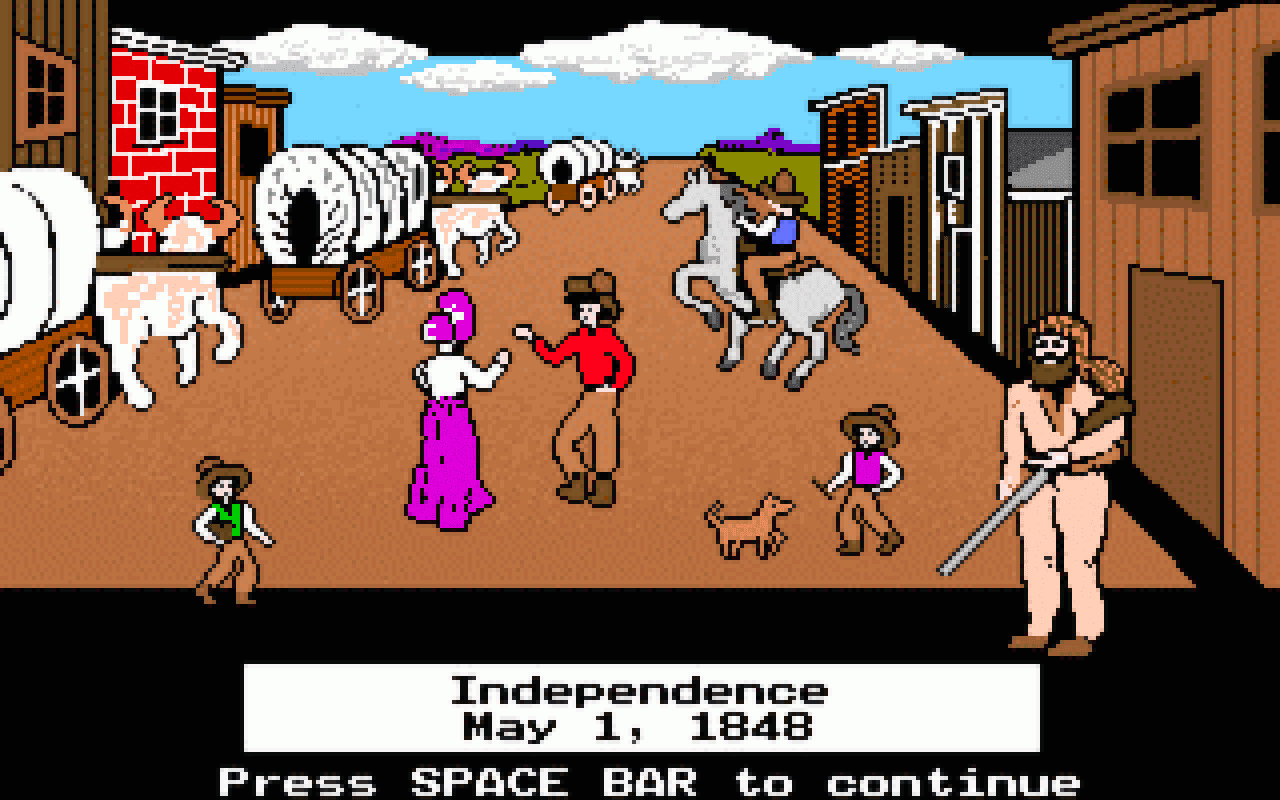
At the start, your choices shape the rest of the trip. You pick your role, buy supplies, prepare your wagon, and begin the long push west. From there, success depends on balance. Spend too freely at the beginning and you may regret it later. Travel too aggressively and your party may wear down. Play too cautiously and you may lose valuable time.
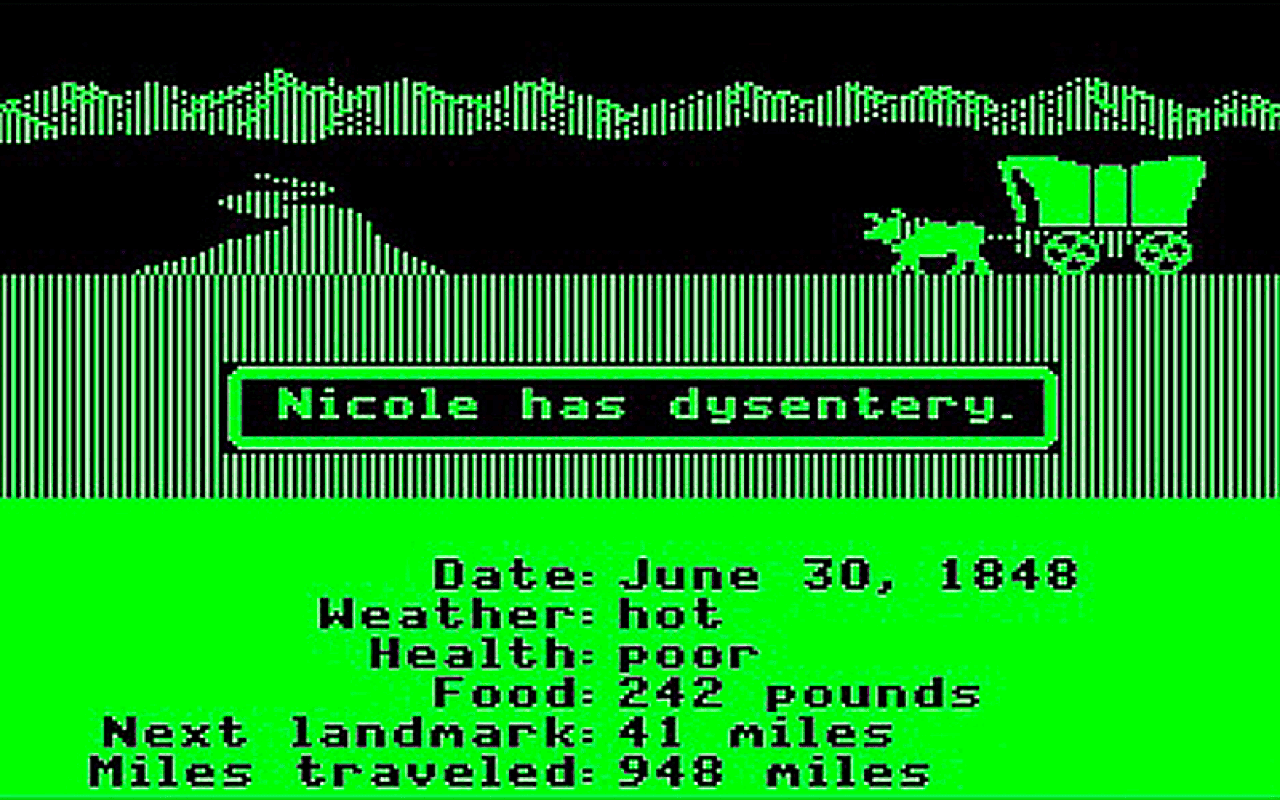
The core loop is what makes the game so addictive. You travel, monitor resources, react to events, and adapt. Hunting gives you a way to refill food, but it also demands timing and care. Rivers force hard decisions. Rest helps, but slows progress. The game never overwhelms you with complexity, yet it always makes you think about what comes next.
Best Strategy for Surviving the Trail
A strong run in The Oregon Trail usually comes from avoiding obvious mistakes rather than chasing perfect play. Keep your supplies balanced. Do not overspend on one thing while neglecting the rest. Food matters, but so do spare parts and ammunition. Rest before problems spiral. And unless conditions are clearly in your favor, treat river crossings with respect.
Another smart approach is to play steadily rather than heroically. Players often fail because they rush. The trail punishes impatience. A controlled pace, enough food, and sensible choices will carry you farther than risky shortcuts ever will. That steady rhythm is also what makes the game satisfying: survival feels earned, not random.
More Than Nostalgia: A Classic Educational Game
The Oregon Trail became famous because it taught history without feeling dry. Instead of reading about westward travel from a distance, you feel the pressure of limited supplies, distance, illness, and uncertainty through play. That gave the game unusual staying power. It is remembered as an educational game, but also as a survival game, a management game, and for many players, one of the first games that made choices feel meaningful.
That combination still gives the page room to rank beyond pure “play online” intent. The game connects naturally with searches around history, dysentery, pioneers, route planning, and why the Oregon Trail became so iconic in American culture. Used carefully, that broader semantic layer helps the page without turning it into a generic history article.
Play the Classic DOS Version, Then Continue the Journey
This page should stay focused on the classic experience: a clean, playable version of The Oregon Trail for people who want the original feel in a browser. But there is also a natural next step for visitors who enjoy the formula and want something broader.
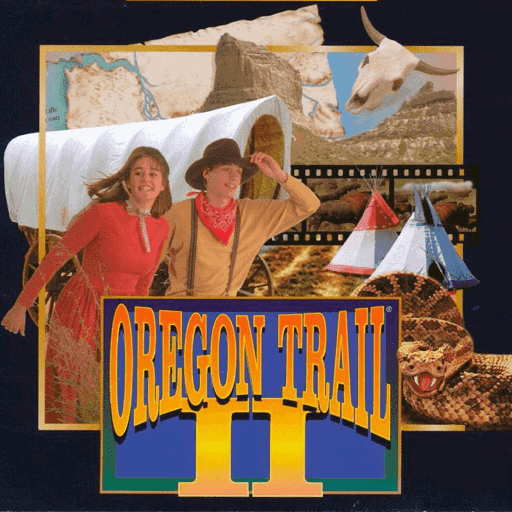
For a bigger sequel with more depth, more events, and a more expanded journey, continue with Oregon Trail II. It is a strong internal link because it stays in the same series, matches player intent, and gives returning visitors a very relevant follow-up after they finish this version.
Why People Still Search for The Oregon Trail
Some players come here for nostalgia. Some want to replay a classroom classic. Others simply want to find a browser version of a game they have heard about for years. All of those audiences meet on the same page, which is why the content should stay clear and direct: this is where you play The Oregon Trail online, revisit a genuine DOS classic, and see whether you can make smart enough decisions to survive the road west.
The Oregon Trail does not need flashy tricks to stay relevant. It only needs the same things it always had: pressure, consequence, and the constant feeling that the next bad decision might be the one that ends the trip.