1996: A Year of Pivotal Changes in DOS Gaming
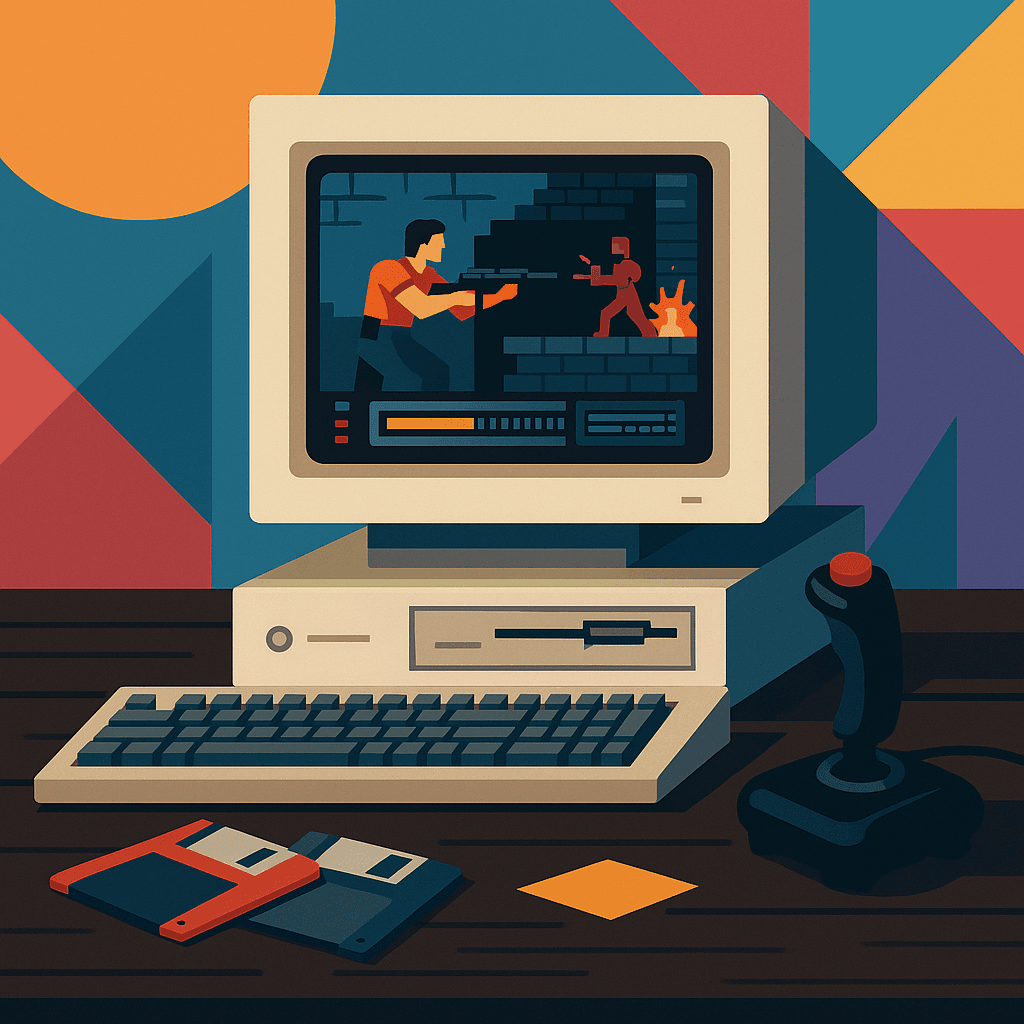
The year 1996 marked a significant evolution in the world of DOS gaming, a time when the industry was at the cusp of transitioning into more advanced systems. Amidst this change, several pivotal games were released, each contributing uniquely to the landscape. As developers pushed the boundaries of what DOS could achieve, these games became landmarks of innovation and creativity, setting the stage for future advancements in gaming.
1996: DOS Gaming in Transition
By 1996, the gaming industry was buzzing with technological excitement. Windows 95 had started to dominate the personal computing landscape, signaling a shift away from the command-line interface of DOS. However, despite the growing popularity of newer operating systems, DOS still held its ground with a loyal user base, thanks in part to the rich library of games that continued to engage players. This year was characterized by bold experiments and groundbreaking releases that pushed the technical capabilities of DOS to new heights before its gradual decline in favor of more modern platforms.
Game Changers of 1996: Iconic DOS Releases
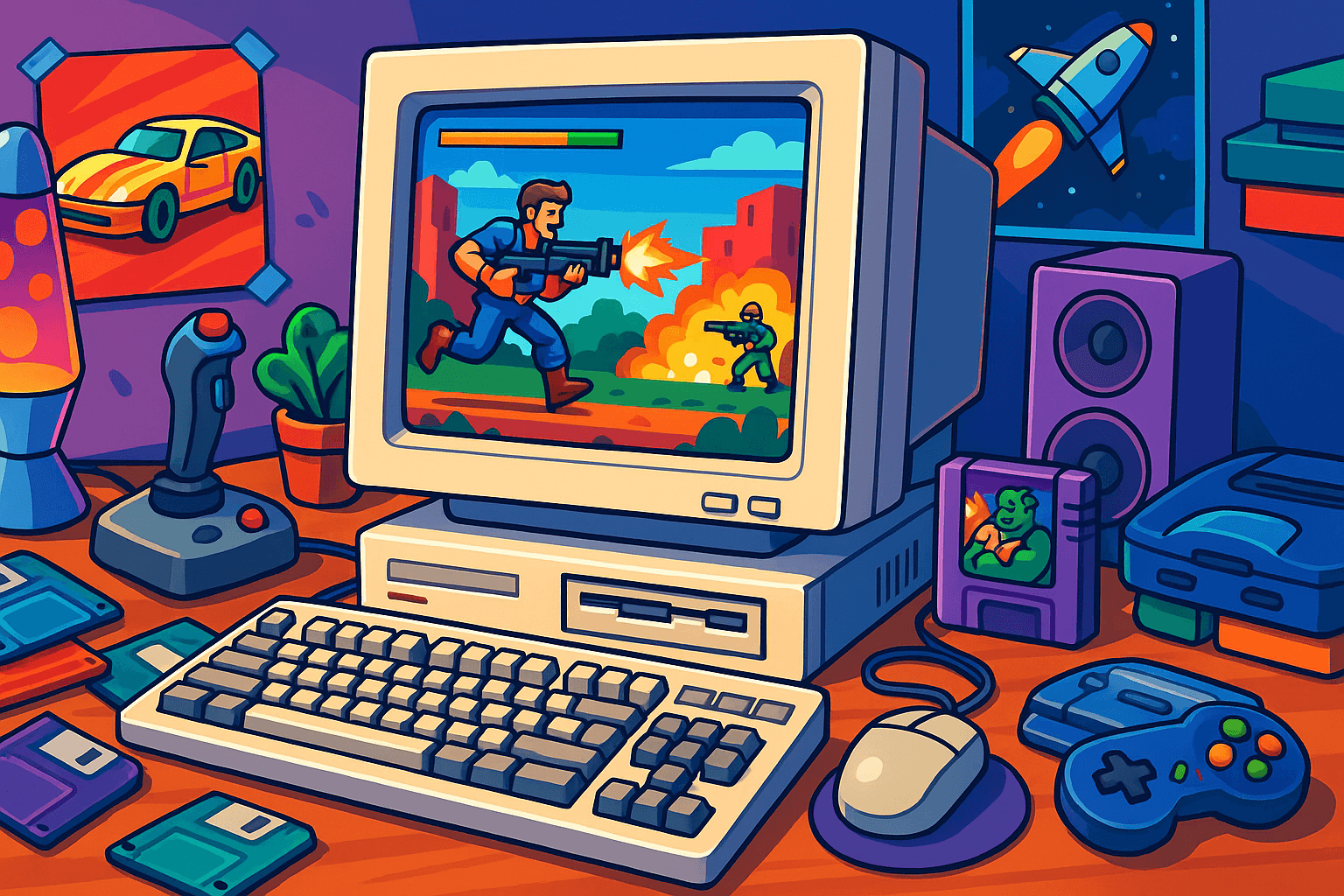
Among the notable releases of 1996 was Final Doom, a continuation of the adrenaline-pumping action established by its predecessors. This title, developed by id Software, Inc., offered players intricate level designs and fierce combat scenarios that further cemented the franchise’s legendary status. Meanwhile, Alien Trilogy brought the atmospheric tension of the Alien films into the gaming world, delivering a first-person shooter experience filled with haunting environments and challenging enemies.
These games exemplified the diversity and creativity that DOS gaming still had to offer, even as the platform was on the verge of being eclipsed by newer technologies.

Final Doom
Technological Advancements: Graphics and Sound in 1996
1996 saw significant advancements in graphics and sound, transforming the way games were experienced on DOS. Developers began incorporating more detailed textures and dynamic lighting effects, which enhanced the immersive quality of game environments. The integration of sound cards became more prevalent, allowing for richer audio experiences that complemented the visual innovations. These technical improvements were crucial in maintaining player engagement and elevating the overall quality of DOS games during this transitional period.
Reflecting Society: Themes in 1996 DOS Games
The cultural themes of 1996’s DOS games often mirrored societal interests and fears, ranging from the exploration of space and alien lifeforms to the depiction of dystopian futures. Titles like SkyNET, developed by Bethesda Softworks LLC, tapped into the fascination with artificial intelligence and the potential threats it posed. Such narratives not only provided thrilling gameplay experiences but also sparked conversations about technology’s role in society, a topic that remains relevant today.
The Lasting Legacy of 1996’s DOS Games
The impact of 1996’s DOS games extended far beyond their initial release. These titles laid the groundwork for many gaming conventions we see today, influencing everything from narrative storytelling to the mechanics of first-person shooters. The innovations introduced during this year have echoed throughout the industry, inspiring developers and engaging gamers decades later. For enthusiasts of retro gaming, the experiences crafted in 1996 continue to offer a nostalgic yet rewarding journey into the history of video games.
Though the era of DOS gaming was nearing its end in 1996, the year remains a pivotal chapter in gaming history. The titles released during this time showcased a last burst of creativity and innovation, offering glimpses of the future while paying homage to the past. As we reflect on these games, their impact and legacy remind us of a transformative period that helped shape the future of interactive entertainment. For many, the memories forged in these digital worlds continue to resonate, underscoring the timeless allure of DOS games.
Related articles
DOS Game UI: Masterpieces and Missteps That Shaped Modern Gaming
Explore how classic DOS games influenced modern UI/UX design, highlighting brilliant interfaces and instructive failures.
The Shareware Gamble: How DOS Games Changed Forever
Unearth the shareware model's impact on DOS gaming, its iconic titles, and its enduring legacy in today's gaming landscape.