SkyNET’s Terminator Future That Feels Lived-In
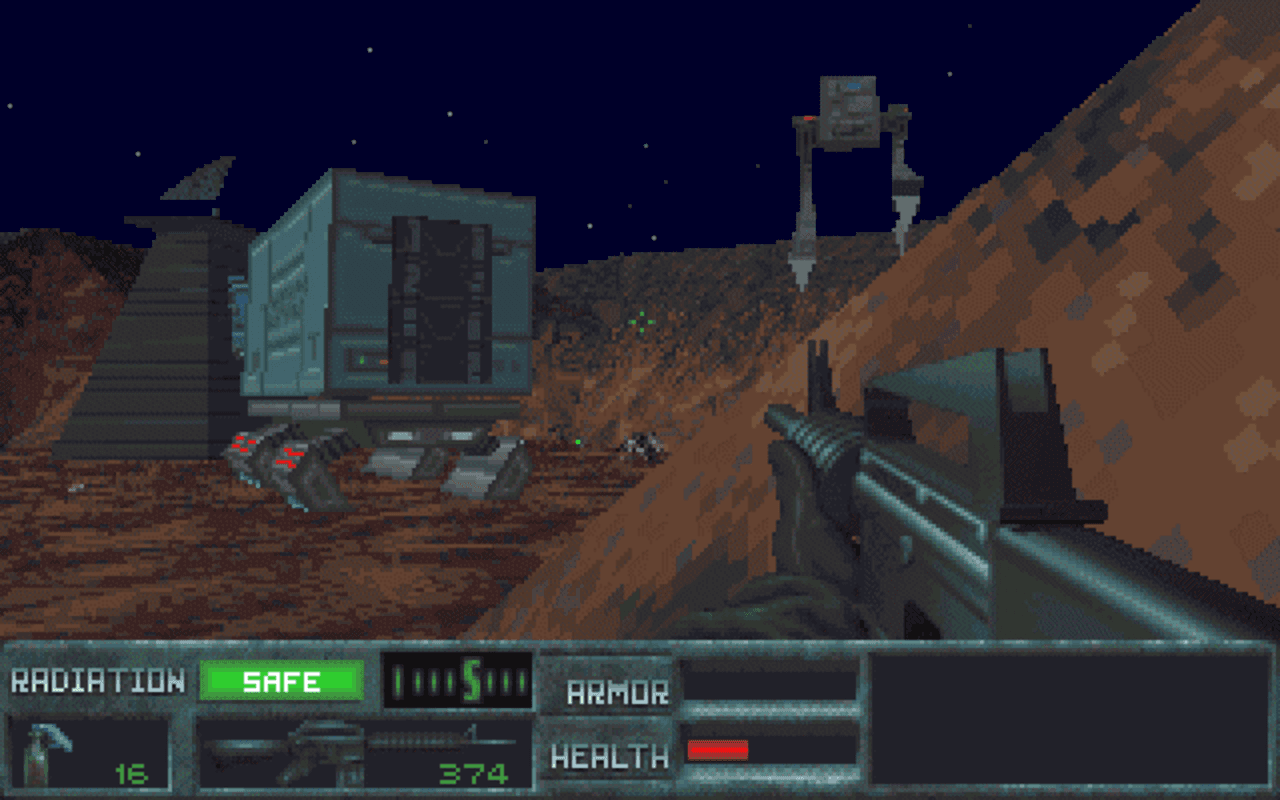
SkyNET, published by Bethesda Softworks, comes from a moment when PC shooters were stretching beyond flat corridors into more convincing 3D spaces. Set after Judgment Day in the Terminator universe, the game casts you as a Resistance operative working in a world of ash, wreckage, and relentless machines. It began as an expansion concept for The Terminator: Future Shock, then grew into a standalone release, and that origin shows in the confident blend of cinematic framing and hands-on action. Mission briefings set the stakes, but they are brisk enough to keep you hungry for the next firefight, letting the atmosphere do most of the storytelling.
What stands out immediately is how SkyNET treats the license as a tone, not a costume. The ruins feel hostile, the machines feel methodical, and the missions feel like desperate moves in a larger war rather than random errands. It is a classic game built for momentum: you are often under pressure to act, to move, and to finish what you came for before the battlefield turns against you.
SkyNET Missions That Turn Firefights Into Decisions
SkyNET is an objective-driven shooter, so progress is measured by what you accomplish, not simply by how many enemies you drop. Goals change the emotional texture of play: one mission feels like a careful sweep, the next like a desperate dash through contested ground. This structure keeps levels from blurring together, because each one asks you to adopt a slightly different mindset. Sometimes you want to clear a route and stabilize the situation. Other times you want to punch through quickly, accept a little chaos, and trust your instincts.
Environmental danger adds extra tension, because some areas punish lingering and force you to plan routes instead of circling for perfect shots. You learn to read sightlines, conserve resources, and decide when to fight for space and when to slip past a threat to finish the job. The result is a shooter that stays approachable moment to moment, but rewards players who think a step ahead, especially when conditions make hesitation feel expensive.
Vehicles and Weapons: SkyNET’s Signature Power Swings
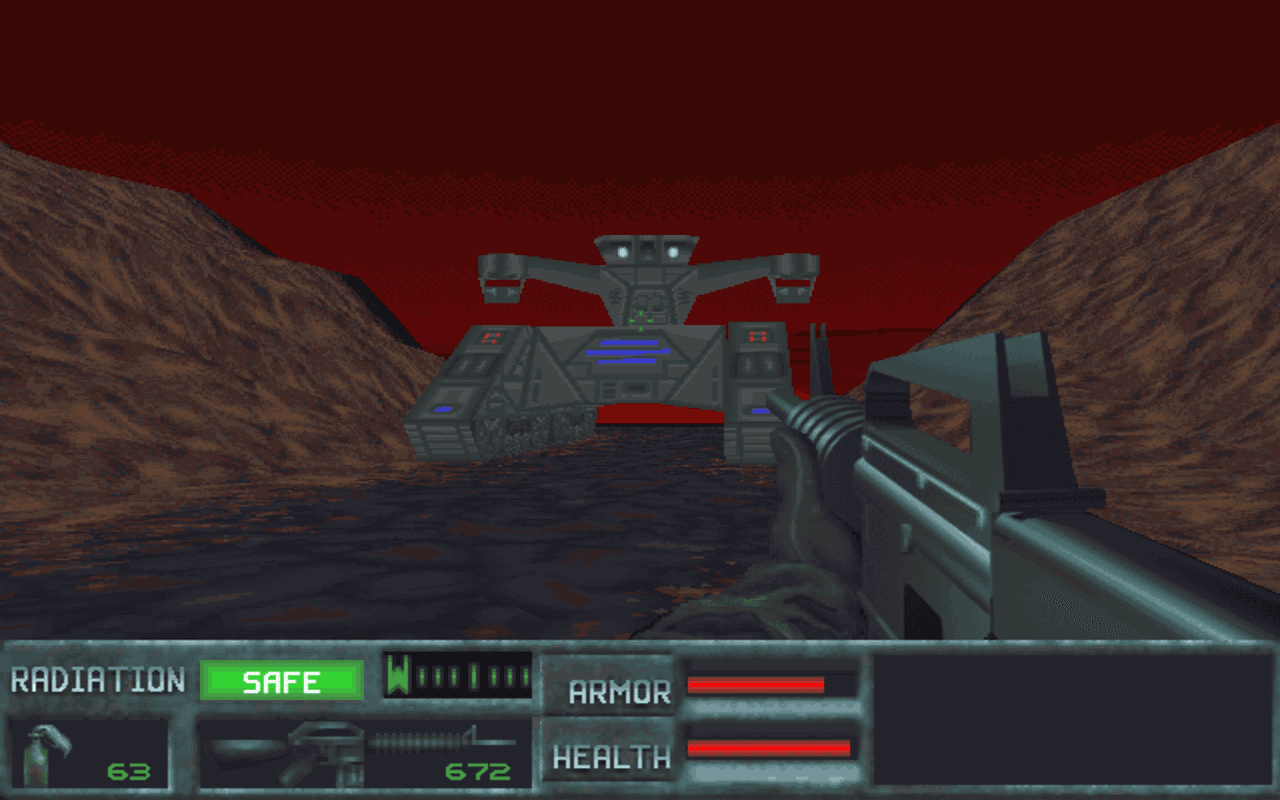
SkyNET’s most memorable surges come from changing how you move through combat. On foot, you are fragile in a classic shooter way, listening for incoming fire, watching corners, and treating every pickup as future insurance. Then the battlefield opens up when the game hands you a vehicle. A jeep with mounted firepower encourages aggressive pushes and quick retreats, turning open terrain into a moving skirmish. Later, an HK-style flying craft shifts the focus to altitude and angles, asking you to think about threat priority in a wider, more vertical space.
These vehicle moments work because they are not just spectacle. They change your decision-making and shift the emotional weight of encounters. When you have speed and firepower, you can take bolder lines and force the fight to happen on your terms. When you are back on foot, every corner becomes tense again, and that contrast keeps the campaign lively. The arsenal supports the same flexibility. Weapons feel industrial and purposeful, matching the franchise’s harsh future-war aesthetic, and firefights stay interesting because range, cover, and enemy pressure push you to adapt rather than rely on one comfort strategy.
SkyNET Atmosphere and Exploration in Early 3D
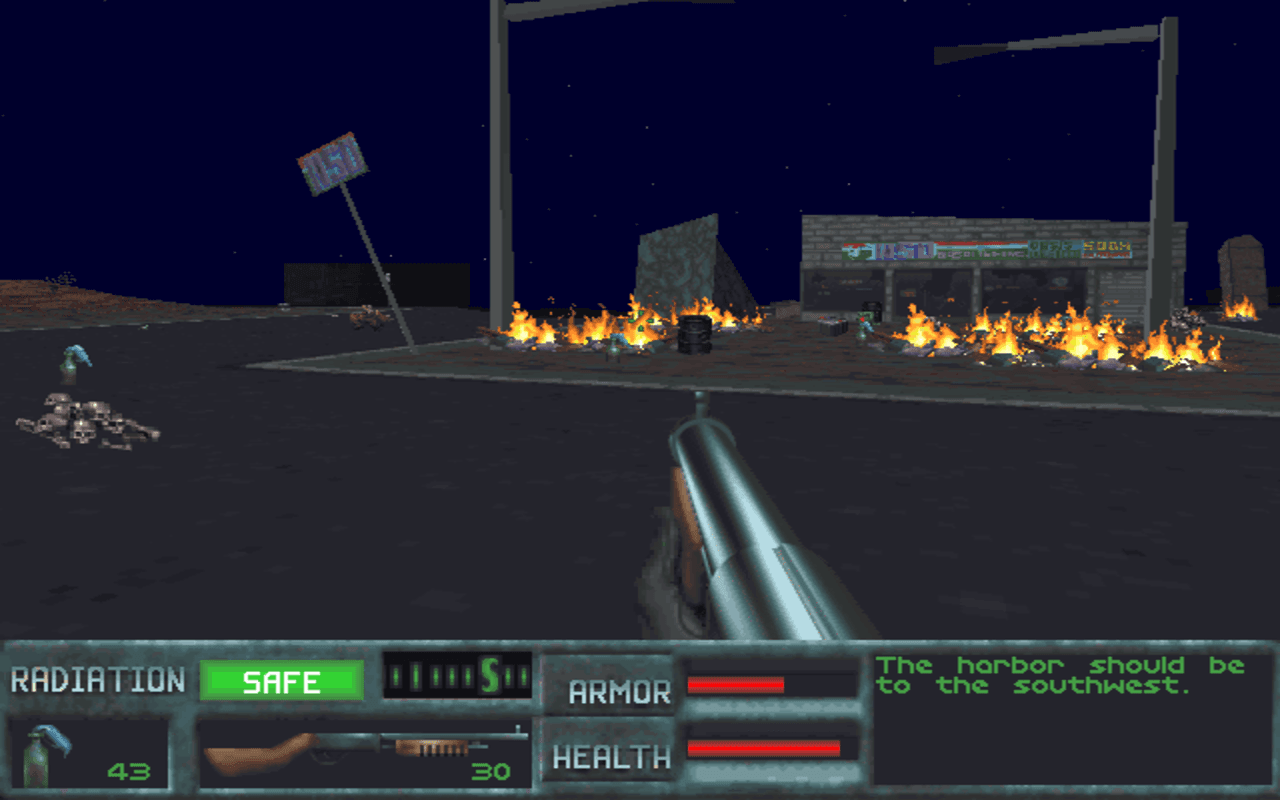
Even with clear goals, SkyNET rewards curiosity. Detours can reveal safer approaches, extra supplies, or lines of sight that make an ugly fight manageable. The trick is that exploration is rarely free: wander too long and you may run into crossfire, lose precious health, or reach the objective depleted. That risk makes discovery feel earned, and it helps locations read as war-torn places rather than abstract arenas. You are navigating a hostile world, not sightseeing, and the game consistently reinforces that feeling through how it punishes careless wandering.
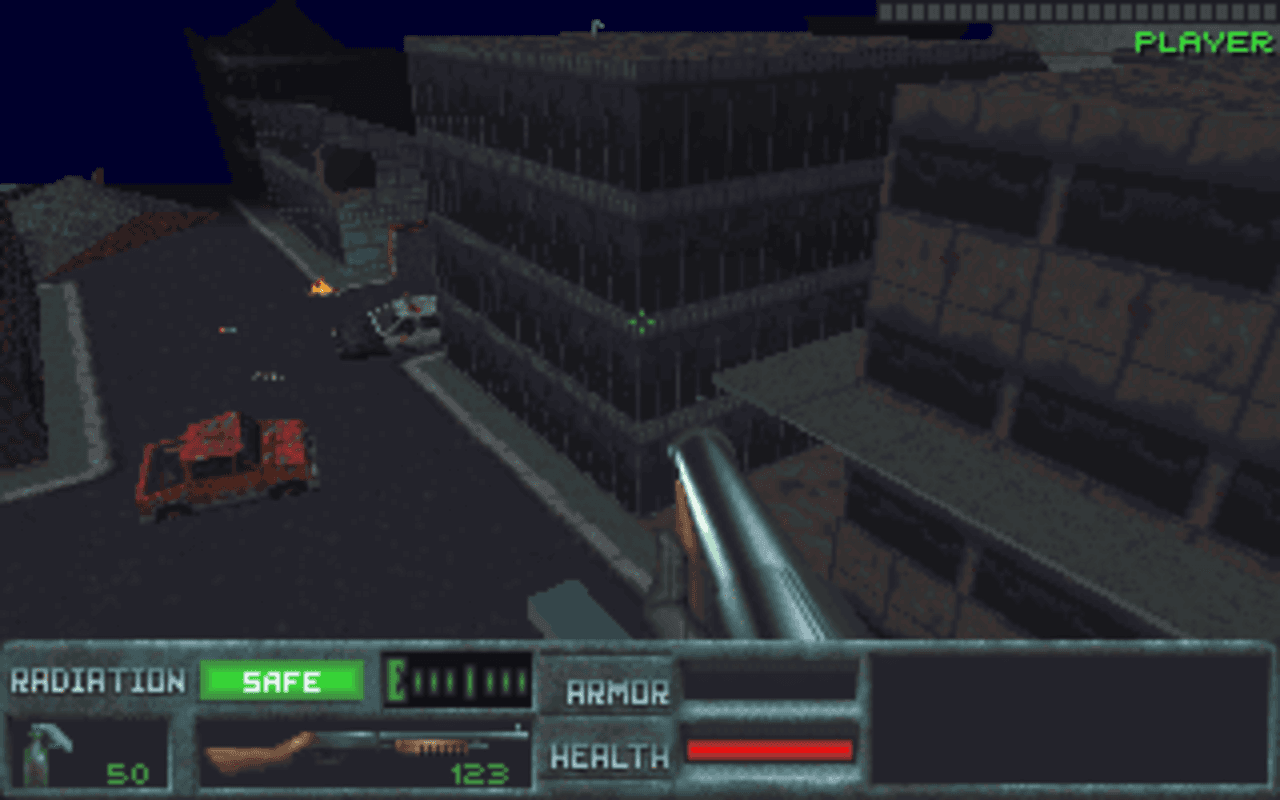
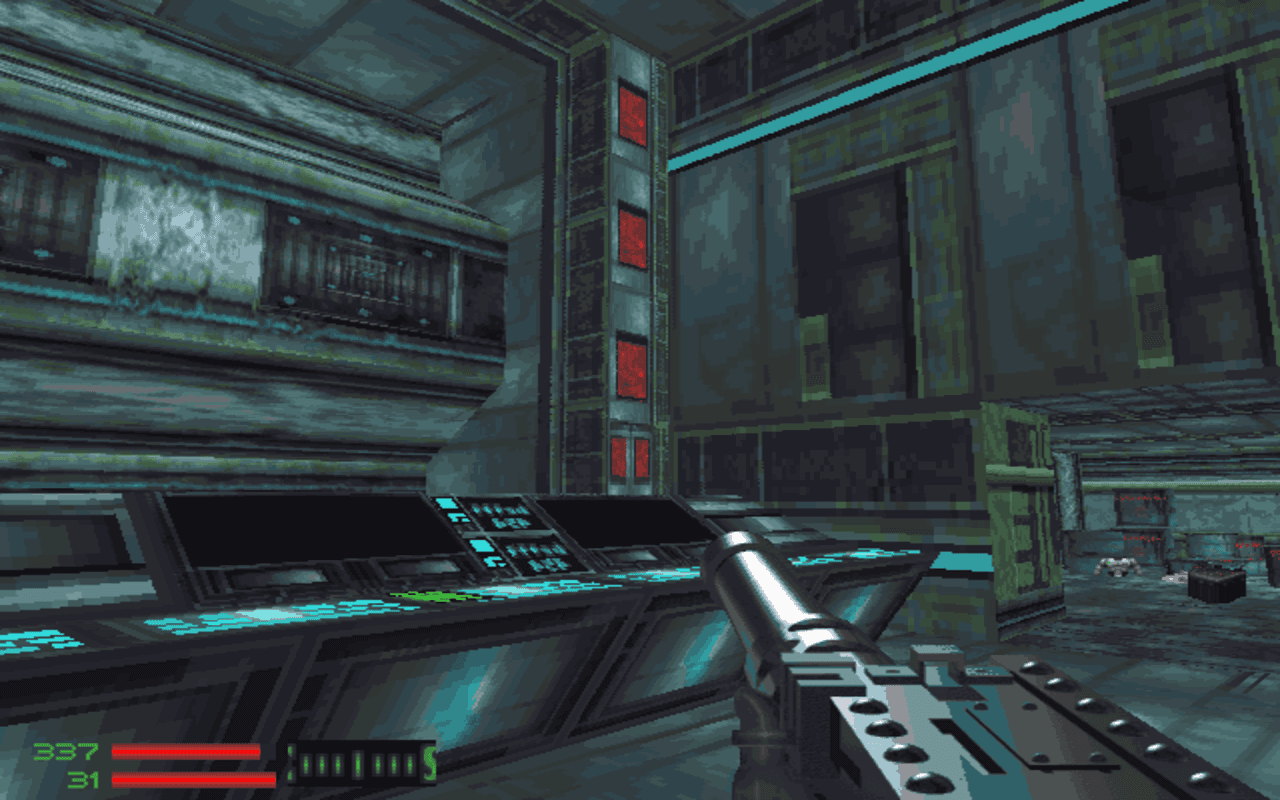
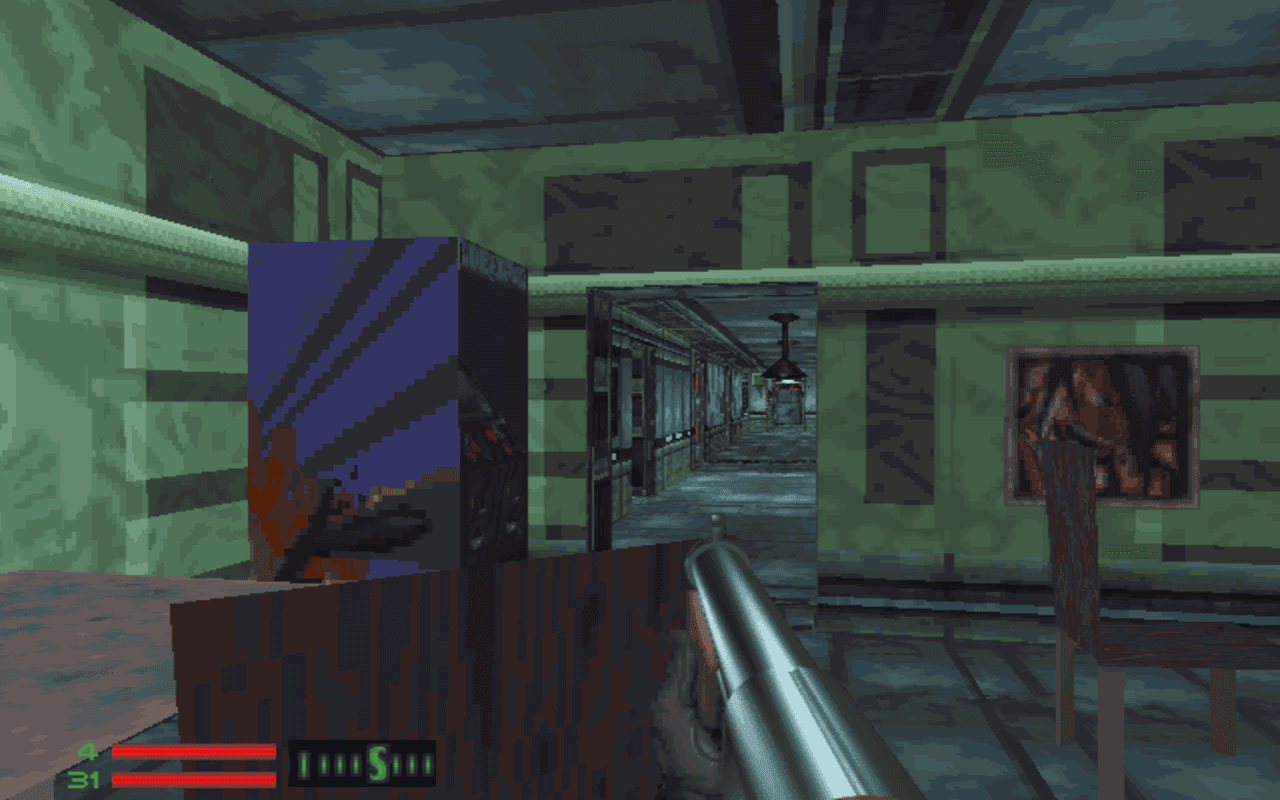
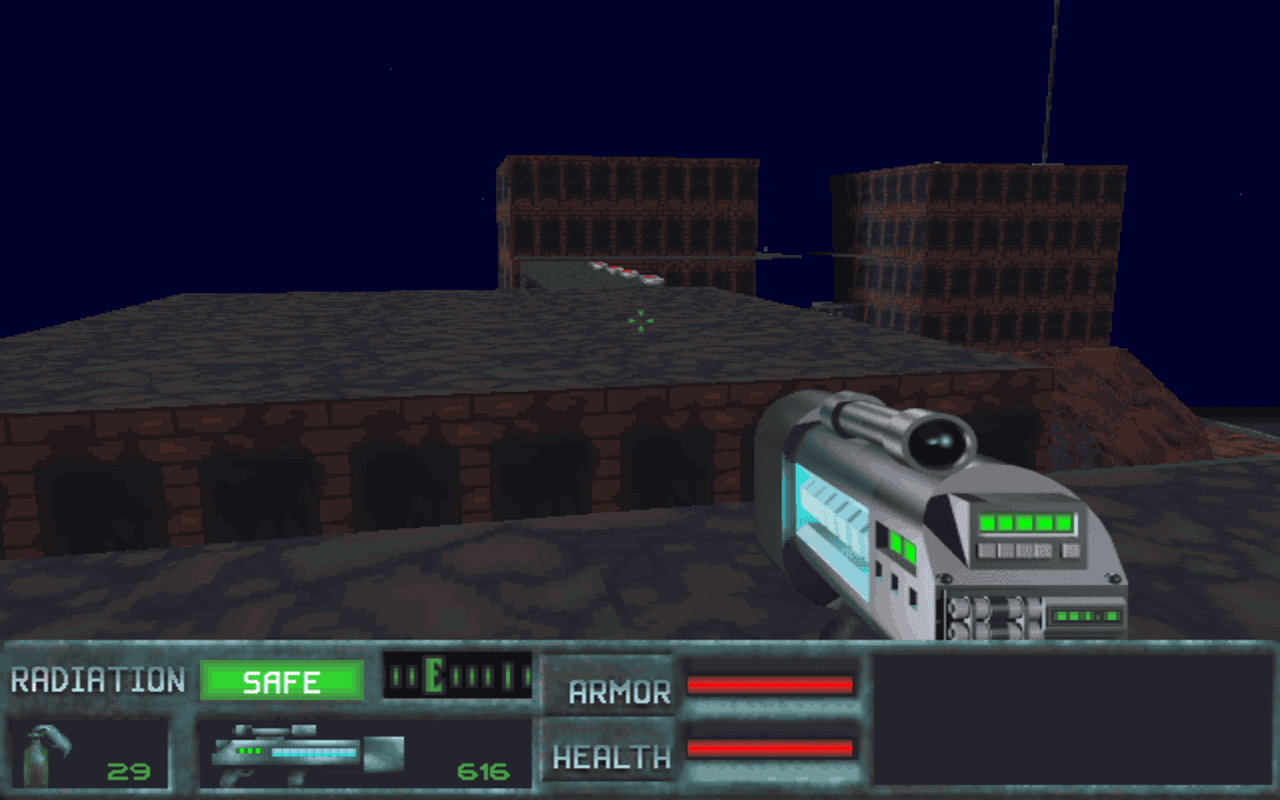
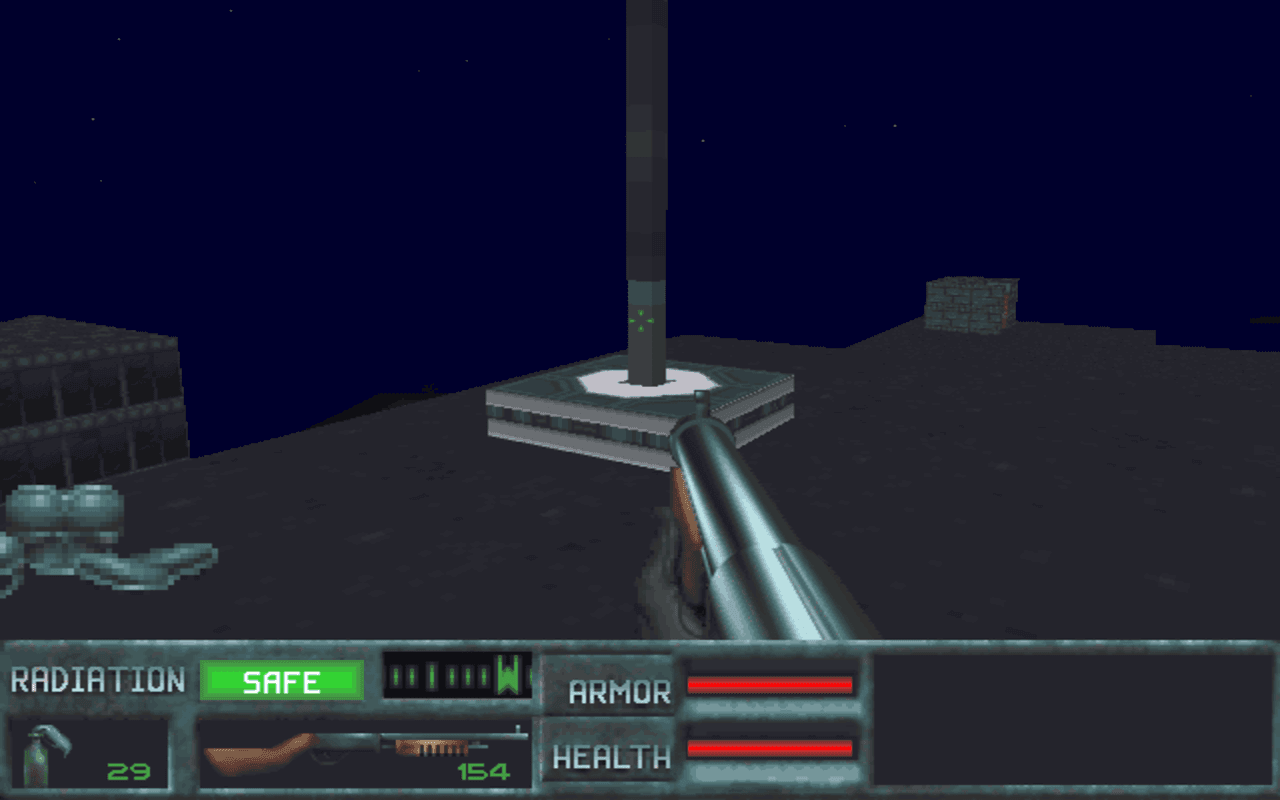
Visually, SkyNET carries a distinctive era charm—ambitious textured spaces, stark tech styling, and a moody sense of scale that sells the bleakness of its setting. The presentation is not about modern polish; it is about identity. When you play the game online, you can still feel the intent to immerse you in a specific kind of sci-fi dread, where every success feels temporary and every mission feels like it matters.
SkyNET Multiplayer: Human Speed Versus Machine Persistence
SkyNET includes multiplayer deathmatch, and it stands out because humans and Terminators feel different in ways that reshape strategy. Human players thrive on mobility, quick angles, and hit-and-run pressure, while Terminators lean into toughness and space control, turning a slow advance into a threat of inevitability. That contrast creates natural mind games: a human wants uncertainty and escape routes, while a machine wants to narrow options and force a mistake. Even short matches can become tense chases, with the map itself turning into a tool for either evasion or pursuit.
The mode fits the setting well because it turns the franchise’s central conflict into play style rather than cutscene. It is not just “the same shooter, but with opponents.” It is a small system of identity and pressure that still feels satisfying to revisit, especially for anyone who enjoys classic multiplayer energy with a thematic twist.
Play SkyNET online and jump into the future war
SkyNET can be played online free, directly in a browser, and it also adapts well to mobile devices, so you can play without restrictions whether you want a quick mission or a longer session. That accessibility suits the game’s structure, since each level is built around concrete objectives and a satisfying sense of completion. Playing online also highlights what makes SkyNET different from many shooters you might play in the same mood: it blends cinematic briefings, vehicle variety, and mission-focused pacing into a loop that feels more like a series of operations than a simple sprint to the exit.
If you are returning after a long break, the browser-friendly approach makes it easy to rediscover the fundamentals. Within a single mission you can feel the rhythm of scouting, committing to a firefight, and pushing toward a clear objective, all framed by the Terminator war atmosphere.
Why SkyNET Still Deserves to Be Played
SkyNET endures because it balances immediacy with intent. The campaign stays fresh through changing objectives and vehicle shifts, the firefights have weight, and the license strengthens the experience instead of merely decorating it. It is also a snapshot of shooter history, showing how early 3D spaces could feel cinematic while staying fiercely playable. In summary, SkyNET is a mission-focused sci-fi shooter that rewards decisive movement and smart routing, with multiplayer that echoes the human-versus-machine fantasy. Controls are direct and familiar: you typically move with the keyboard, aim and fire with the mouse, and use action keys to interact, switch weapons, and manage vehicle driving or flight when missions demand it.
All used codes are publicly available, and the game belongs to its original authors.