The Beautiful Tricks Behind ‘Smart’ Enemies in DOS Games
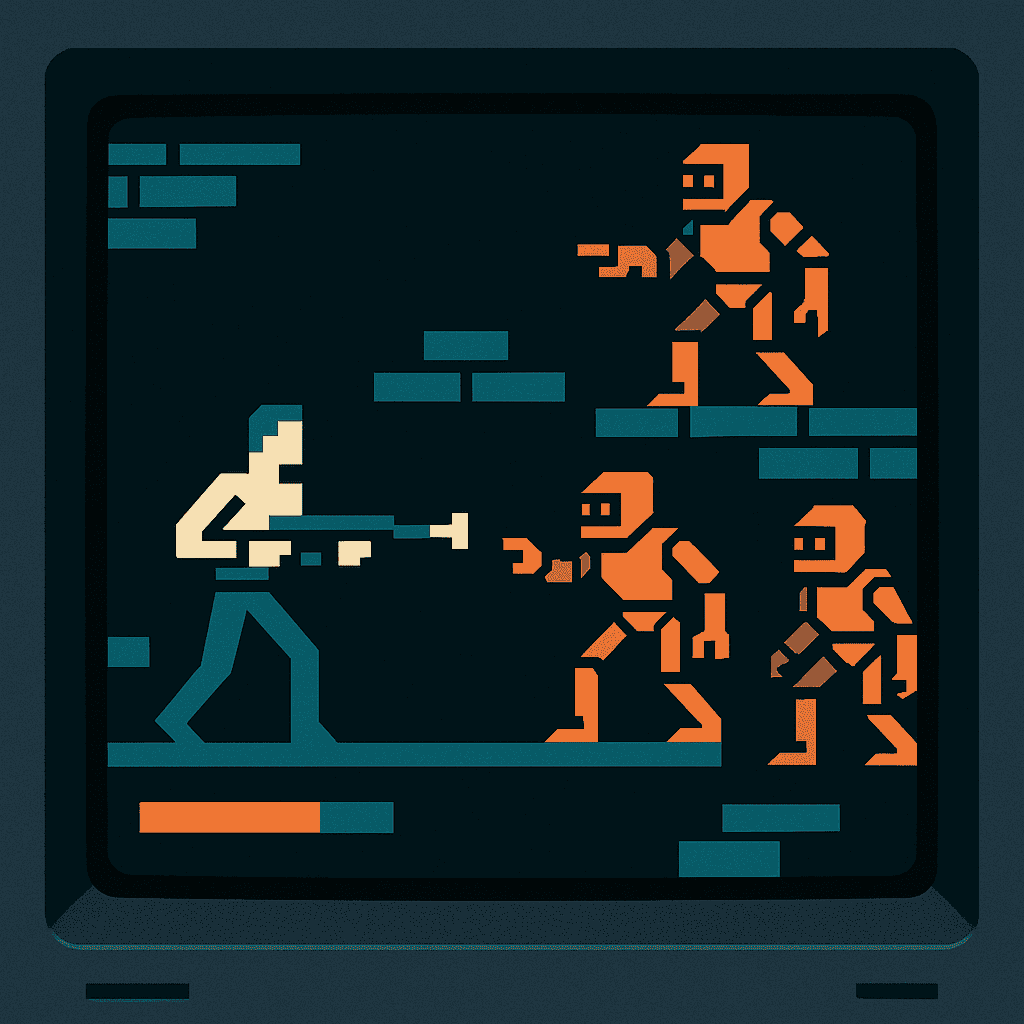
Picture this: you’re navigating a labyrinthine level in a classic DOS game, your virtual adversaries reacting as if they truly strategize against you. This semblance of intelligence made these games unforgettable. But how did developers achieve such a feat within the technical confines of the era? Let’s unravel the beautiful tricks behind ‘smart’ enemies in DOS games.
Understanding Enemy AI in DOS Gaming: More Art Than Science
In the early days of DOS games, ‘enemy AI’ was less about true artificial intelligence and more about crafting the illusion of intelligence. Developers had to work within tight constraints—limited memory and processing power meant that enemies couldn’t genuinely ‘think’ like modern AI might. Instead, these early enemies followed predefined patterns, scripts, or state machines. The goal was to simulate a semblance of decision-making, allowing players to feel as though they were facing off against clever opponents.
The Magic of State Machines and Scripting in Enemy Behavior
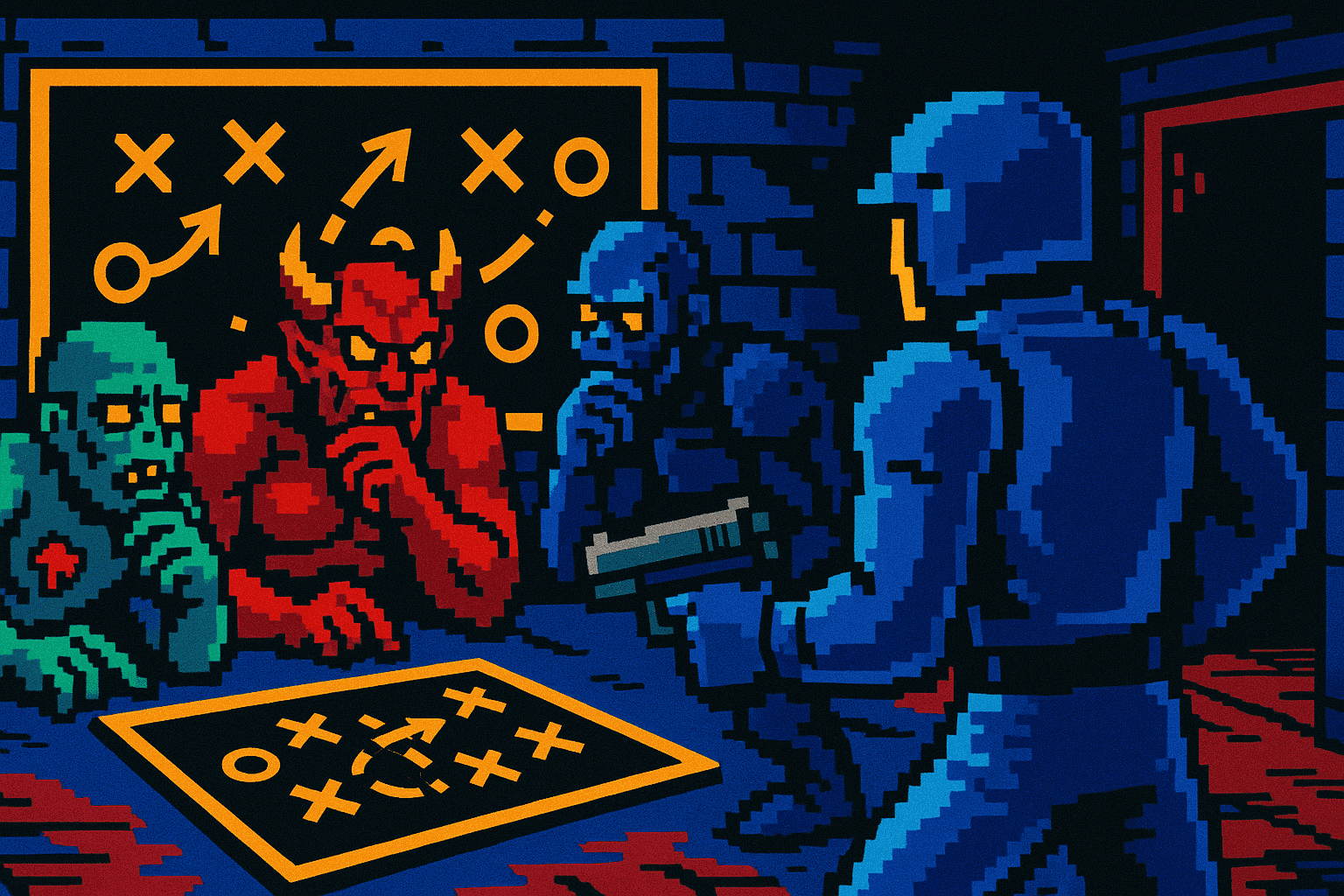
State machines were a cornerstone of creating believable enemy behavior in DOS games. A state machine allowed an enemy to operate within a set of defined states—patrolling, attacking, retreating—and transition between these states based on player actions or environmental triggers. Scripting took this further by enabling more complex sequences of actions. These scripts could dictate an enemy to hide, ambush, or flee under certain conditions, adding layers of perceived intelligence without requiring true AI.
How ‘DOOM’ Achieved Perceived Enemy Intelligence
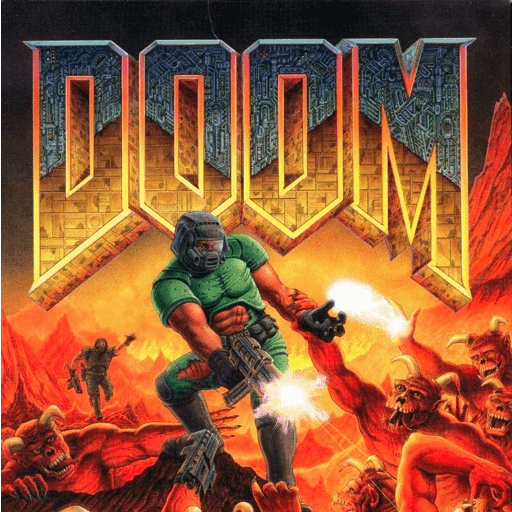
DOOM, developed by id Software, Inc. in 1993, is a prime example of using simple techniques to create smart-seeming opponents. Enemies in DOOM operate on state machines, transitioning between different behaviors like searching for the player or attacking when in close proximity. The use of line-of-sight mechanics added an extra layer of sophistication, making players believe enemies were strategically navigating the environment.
Illusory Intelligence in ‘Commander Keen: Keen Dreams’
Another excellent illustration is Commander Keen: Keen Dreams by id Software, Inc., released in 1991. Here, enemies follow predictable patterns, but the design cleverly masks this predictability. By varying enemy speed and movement patterns, and by interleaving them with dynamic level design, the game gives players the impression of varied and responsive enemy behavior, even within the constraints of the hardware.
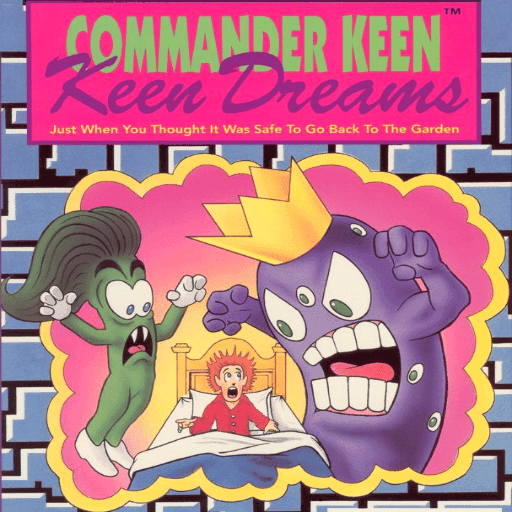
Commander Keen: Keen Dreams
Player Perception: The Real Measure of Enemy Intelligence
The real magic of retro game AI lies in player perception. By constructing enemies that reacted in ways players didn’t immediately understand, developers created memorable experiences. The thrill of outsmarting an enemy or narrowly escaping a trap was magnified by the belief that the adversaries were clever. This belief was crucial in maintaining player engagement and challenge, providing a sense of achievement upon success.
The legacy of these early implementations of AI in DOS games is evident in today’s gaming landscape. They laid the groundwork for increasingly sophisticated AI, inspiring ongoing innovations that continue to captivate players. As we look back at these classics, we appreciate not just the games themselves, but the clever ingenuity that made them feel alive and unpredictable.
Related articles

Dizzy: The Egg that Defined 90s Platforming
Explore how Dizzy, the charming egg from the 90s, became a standout figure in retro gaming through unique design and narrative.
The Strategic Craft of Command & Conquer: Red Alert’s Level Design
Explore the intricacies of Command & Conquer: Red Alert's level design and its impact on strategic gameplay.