The Evolution of DOS Adventure Games: From Text to Graphics

Once upon a time, in the early days of personal computing, adventure games emerged as a beacon of interactive storytelling. These games, built for the MS-DOS platform, transformed players from passive readers into active participants in complex narratives. They captured imaginations with worlds woven entirely from text and later, with vibrant graphics. This evolution from text-based beginnings to graphical masterpieces reflects not just technological advances, but a deepening understanding of interactive narrative design.
Text-Based Beginnings: Setting the Stage for Adventure
The journey of DOS adventure games began with text. Early games like the text-based adventures of the late 1970s and early 1980s relied solely on written descriptions to create immersive worlds. Players typed commands into the computer to navigate these digital realms, solving puzzles through logic and exploration. Despite their rudimentary technology, these games captured the essence of adventure by demanding imagination and critical thinking from their players.
King’s Quest and the Dawn of Graphic Adventures
In 1987, King’s Quest by Sierra On-Line changed the landscape of adventure gaming. It introduced players to a richly illustrated world where Sir Graham embarked on a quest in the kingdom of Daventry. This game was a pioneer in using graphics to complement its storytelling, setting a new standard for DOS adventure games. The lush visuals and complex puzzles of King’s Quest showed that games could be more than text—they could be visually enchanting as well.
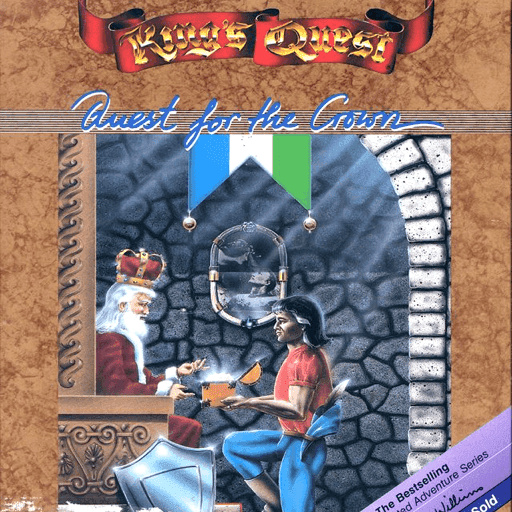
King's Quest
Technological Shifts: From Command Lines to Point-and-Click
As computing power increased, so did the possibilities for adventure games. The shift from text commands to point-and-click interfaces allowed players to interact with their environments more intuitively. This was epitomized by the release of Maniac Mansion in 1988 by Lucasfilm Games, which utilized the SCUMM engine to offer a seamless graphical experience. This innovation made adventure games accessible to a broader audience, inviting even those daunted by text parsers to enjoy the thrill of the genre.
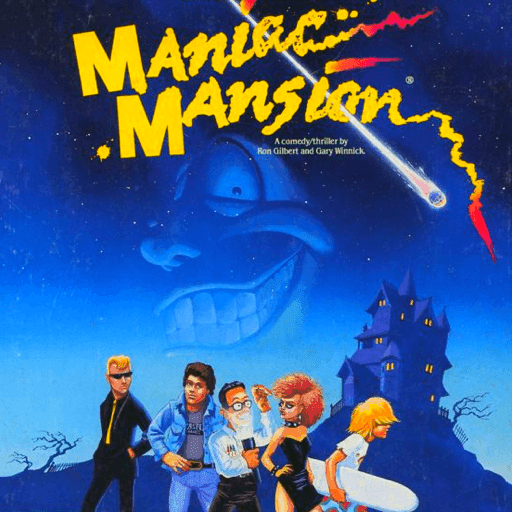
Maniac Mansion
The Lost Files of Sherlock Holmes: A Case of Immersive Narrative
Sherlock Holmes: Consulting Detective exemplified the genre’s narrative depth, challenging players with intricate mysteries and engaging storytelling. Released in 1991, it invited players to don the iconic deerstalker hat of the famous detective, solving cases that demanded keen observation and deduction. This title demonstrated how adventure games could weave detailed narratives with interactive gameplay, setting a benchmark for storytelling in gaming.

Sherlock Holmes: Consulting Detective
Graphics in Gaming: The Catalyst for a New Generation
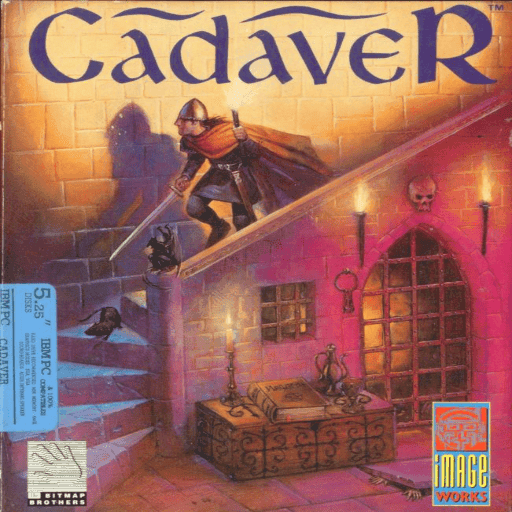
The advancement of graphics technology catalyzed a new generation of DOS adventure games. By the early 1990s, detailed pixel art and improved sound capabilities enhanced immersion, drawing players deeper into their virtual worlds. Titles like Cadaver by Bitmap Brothers in 1991 showcased this leap, blending atmospheric visuals with complex puzzles to create captivating environments. These enhancements were not merely cosmetic; they fundamentally changed how stories could be told in a digital medium.
A Lasting Impact: How DOS Adventures Shaped Modern Gaming
The legacy of DOS adventure games is evident in today’s gaming landscape. These early forays into interactive storytelling paved the way for complex narratives in modern titles. Games like Alone in the Dark 2 and Fade to Black further expanded the boundaries with their innovative approaches. They showcased how technology could enhance storytelling, a principle still at the core of game development today. DOS adventures taught developers the power of a compelling story, a lesson that resonates through the industry.
The evolution of DOS adventure games from simple text-based stories to rich graphical narratives reflects a journey of technological and creative discovery. These games laid the groundwork for modern interactive storytelling, proving that adventures could be as visually stunning as they were intellectually engaging. For those who dare to explore, these classics offer a nostalgic yet timeless glimpse into the roots of adventure gaming. Whether through text commands or point-and-click interfaces, the spirit of adventure continues to inspire gamers, reminding us of the limitless possibilities of digital storytelling.
Related articles

The Demoscene’s Lasting Influence on DOS Gaming
Explore how the Demoscene's pioneering digital art transformed classic DOS games, shaping their development and innovation.
Oregon Trail Historical Accuracy: What the Game Gets Right (and What It Simplifies)
How accurate is The Oregon Trail? Explore what the game gets right about history, where it simplifies reality, and how it shapes our understanding of the Oregon Trail experience.