From Keyboards to Joysticks: The Evolution of Gaming Controls
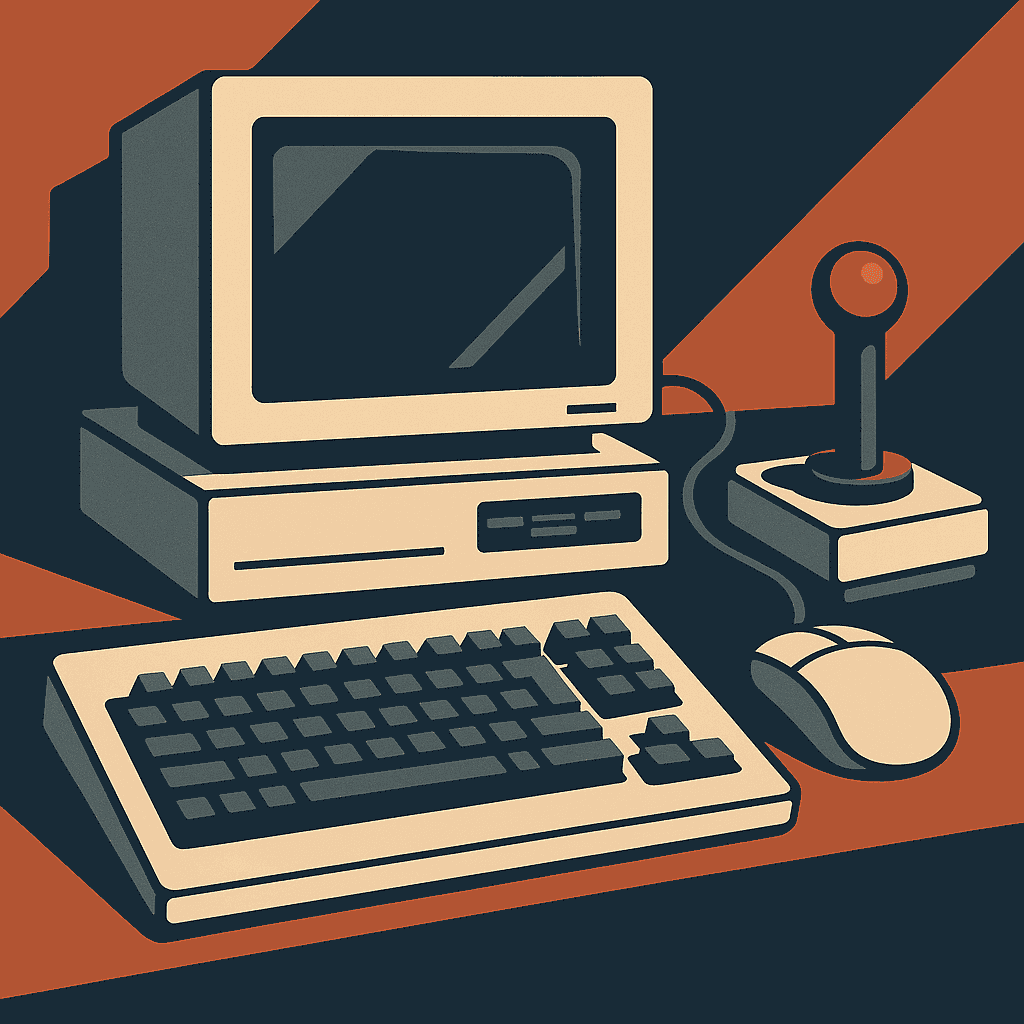
Gaming controls are the interface between player and game, shaping every interaction and experience. From the earliest days of DOS games, where the keyboard reigned supreme, to the transformative introduction of the joystick, control methods have continuously evolved, enhancing immersion and expanding gameplay possibilities. Join us as we journey through this fascinating evolution.
The Keyboard Era: Where DOS Gaming Began
In the nascent days of DOS gaming, the keyboard was king. Early titles relied heavily on keyboard controls, as seen in games like After the War. Players used arrow keys for navigation and a few additional keys for actions. This setup was straightforward but often limited gameplay complexity. Despite these constraints, developers ingeniously employed keyboard controls to create engaging experiences, proving that creativity could thrive even within technical limits.

After the War
Mouse Magic: Redefining Player Interaction
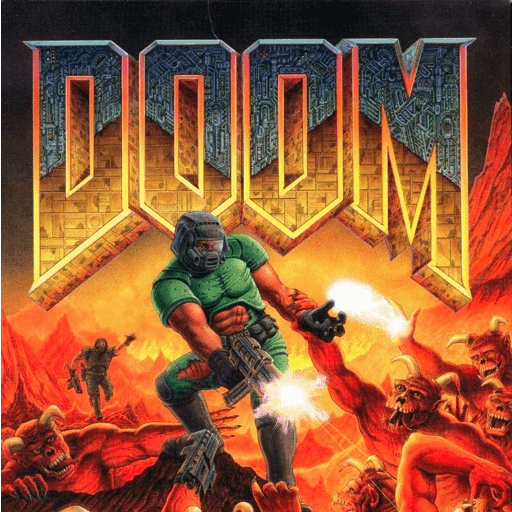
The introduction of the mouse heralded a new era for gaming controls. Games like DOOM leveraged the mouse to enhance precision and interaction, allowing players to aim and navigate seamlessly. This innovation wasn’t just about smoother control; it fundamentally changed game design, opening up possibilities for more dynamic environments and faster-paced action. The mouse added a new dimension to gameplay, making it an indispensable tool in the gamer’s arsenal.
Joystick Revolution: Taking Flight and Speed
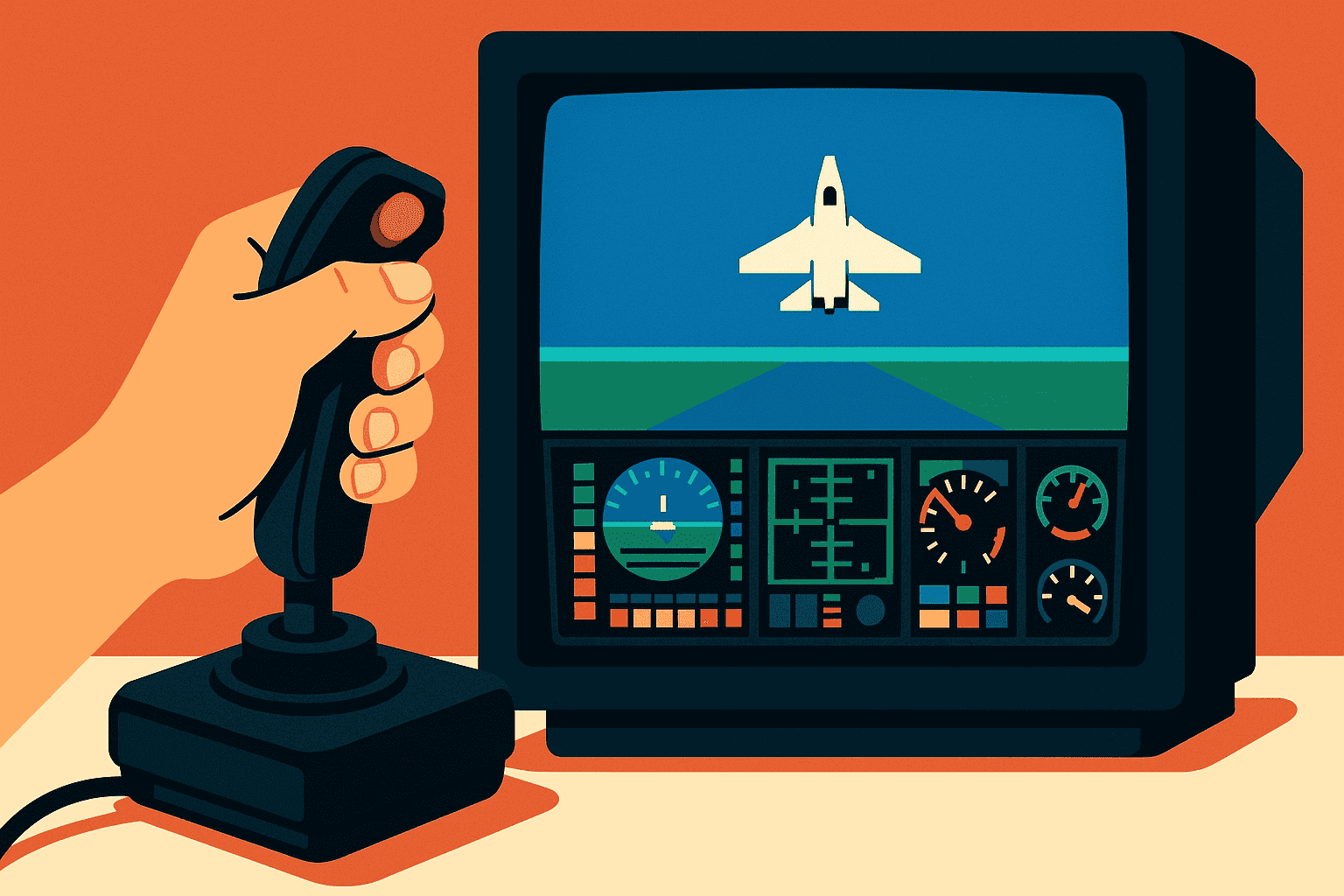
For certain genres, such as flight simulators and racing games, the joystick became a groundbreaking control device. Its intuitive design mimicked real-life controls more accurately than the keyboard or mouse ever could. This was evident in the heightened realism and engagement players experienced in these simulations. The joystick allowed for a more natural and immersive experience, especially in games that required nuanced control over vehicles and aircraft.
Milestone Games: Shifting Control Paradigms
Some DOS games stood out as defining moments for control evolution. Cyberia, for example, combined traditional controls with cinematic storytelling, requiring players to use both the keyboard and mouse effectively. This shift not only enriched gameplay but also demanded higher engagement and skill from players, marking a pivotal point in the history of gaming controls.

Ergonomics and the Evolution of Control Design
As gaming technology advanced, so did the focus on ergonomic design. Developers began to consider the physical comfort of players, leading to more user-friendly designs that reduced strain and enhanced responsiveness. This attention to ergonomics not only improved gameplay but also helped keep players engaged for longer periods, setting the stage for future innovations in control design.
Looking Ahead: The Future of Gaming Controls
As we reflect on the past, it’s clear that gaming controls have consistently evolved alongside technology. The future holds exciting possibilities, with virtual reality and haptic feedback on the horizon, promising to further transform how we interact with games. These advancements will likely continue to enhance immersion and redefine the boundaries of what gaming can achieve.
The evolution of gaming controls from simple keyboards to sophisticated joysticks and beyond has fundamentally transformed how we play and experience games. As technology continues to advance, so too will the ways in which we interact with our digital worlds, ensuring that the journey of innovation in gaming controls is far from over.
Related articles

Sierra vs. LucasArts: The Adventure Game Rivalry that Shaped a Genre
Explore how the fierce rivalry between Sierra On-Line and LucasArts revolutionized adventure gaming and defined player experiences.
How Sound Revolutionized DOS Gaming: From Beeps to Immersive Worlds
Explore the evolution of sound technology in DOS games and how it transformed the gaming experience, from the PC Speaker to Sound Blaster.