Sierra vs. Westwood: Defining the 90s Adventure Game Rivalry

In the vibrant world of 90s DOS gaming, few rivalries were as thrilling as that between Sierra On-Line and Westwood Studios. These two pioneers of interactive storytelling set the stage for an era of adventure games that were rich in narrative and innovation. Their competition not only drove them to create some of the most beloved titles of the decade, but also pushed the boundaries of what adventure games could achieve.
From Humble Beginnings: Sierra and Westwood’s Origins
Sierra On-Line, founded by Ken and Roberta Williams in 1979, began as a small software company with a vision for interactive storytelling. They quickly became known for their rich narrative-driven games, notably the King’s Quest series, which set the standard for adventure games with its immersive worlds and challenging puzzles.
Meanwhile, Westwood Studios was established in 1985 by Brett Sperry and Louis Castle. Starting with a focus on strategy games, Westwood eventually ventured into the adventure genre, bringing their own flair of innovation and entertainment. Their unique approach to game design and storytelling quickly garnered a dedicated fan base.
Trailblazing Adventures: Sierra’s Standout Games
Sierra’s contributions to the adventure genre are monumental. The King’s Quest II: Romancing the Throne expanded on its predecessor’s formula, adding deeper narratives and more intricate puzzles. These games weren’t just about solving problems; they were about exploring a living, breathing world filled with intriguing characters and stories.
Other notable titles include the Quest for Glory: Shadows of Darkness, which cleverly blended role-playing elements with the traditional adventure format. Sierra’s catalog was characterized by their commitment to storytelling and innovation, setting the bar high for competitors like Westwood.
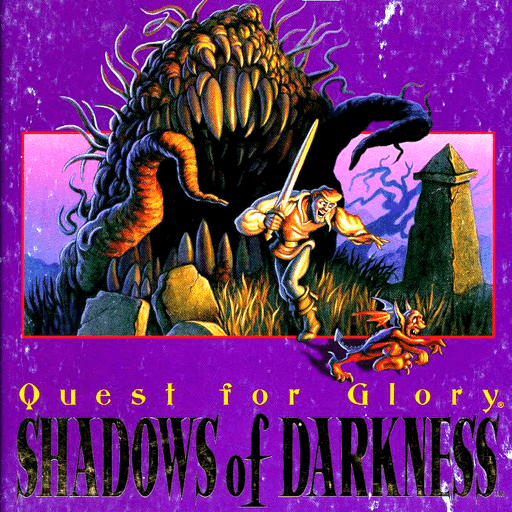
Quest for Glory: Shadows of Darkness
Westwood’s Strategic Entry into Adventure Gaming
Westwood Studios may have been late to the adventure game party, but they quickly made their mark. Known initially for their work in strategy games, such as Dune II, they applied their strategic thinking to create intricate and engaging adventures. Their games captured the imagination of players with compelling stories and innovative gameplay mechanics.
Westwood’s approach was different from Sierra’s; while Sierra emphasized narrative depth, Westwood focused on creating dynamic and reactive game worlds. This contrast in styles only fueled the rivalry, as each studio strived to outdo the other in creativity and execution.

The Clash of Titans: Key Moments in Their Rivalry
The battle between Sierra and Westwood was most evident in their game releases. Each new title from these studios was seen as a challenge to the other. Sierra’s Battle Bugs in 1994 showcased their ability to infuse humor and strategic depth into adventure games, pushing Westwood to innovate further.
This period was marked by rapid advancements in technology and storytelling techniques, with both companies adopting new technologies to enhance player experiences. Their rivalry encouraged a competitive spirit that led to groundbreaking innovations in game design and production.

Battle Bugs
Reflections on a Legacy: How Their Competition Shaped Gaming
The Sierra vs Westwood rivalry left an indelible mark on the gaming industry. It wasn’t just about who could sell more copies but about pushing the boundaries of interactive storytelling. The intense competition fostered an environment where innovation thrived, leading to the development of features that are now staples in modern games.
The exchange of ideas and healthy competition between these two giants laid the groundwork for the future of adventure games. Even today, the echoes of their rivalry can be seen in the narrative and technical advancements in the gaming world.
As we reminisce about the golden age of DOS adventure games, the competitive spirit between Sierra and Westwood stands out as a driving force behind the genre’s evolution. Their battle for supremacy is a testament to the power of rivalry in shaping not just games, but an entire industry. For fans and developers alike, this era remains a source of inspiration and innovation.
Related articles

Coktel Vision: The Journey from Ingenious Adventure to Industry Decline
Explore Coktel Vision's rise, innovative impact on adventure gaming, and the challenges that led to its decline.
The Technical Brilliance of Darklands: Redefining RPGs on DOS
Explore the groundbreaking technical achievements of Darklands and how they set new standards for DOS RPGs.