Video Games and History: How Games Shape the Way We Understand the Past
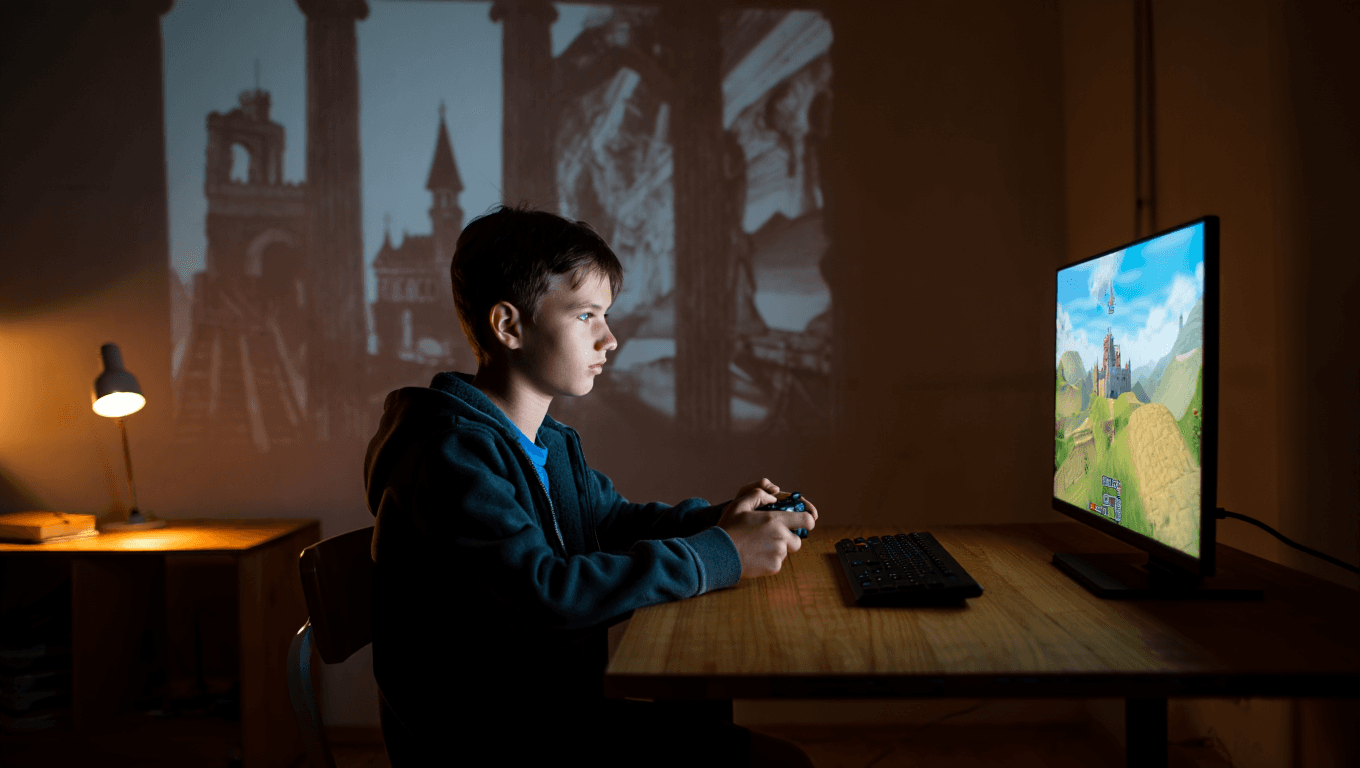
History used to be something most people encountered in one main way: books, lectures, and documentaries. Today, there’s another major route into the past that millions of people experience without even thinking about it.
Games.
From classroom classics like Oregon Trail to massive strategy worlds like Civilization, the relationship between video games and history has grown into something bigger than entertainment. Games don’t just show you the past. They ask you to act inside it. They make you make choices, take risks, deal with consequences, and build interpretations of what “history” means.
That can be powerful. It can also be dangerous if people treat games as factual truth. The real impact sits somewhere in between.
This article explains how video games shape our understanding of history through historical storytelling, simulation, and choice. It also covers what games teach well, what they distort, and how to approach historical games with a smarter mindset.
Why Games Feel More “Real” Than Other History Formats
A history documentary can be beautifully made, but it still keeps you on the outside looking in. A textbook tells you what happened. A lecture explains why it happened.
Games do something different: they make you responsible.
In a game, you don’t just learn that resources were scarce. You feel scarcity. You don’t just learn that geography matters. You watch geography block you, shape you, and force you to adapt.
That’s why interactive learning in games can feel more “real” than reading. Your brain tags the information as lived experience, even if it’s a simplified model.
This is why people can forget a paragraph they read in school but remember a single moment in a history game for years.
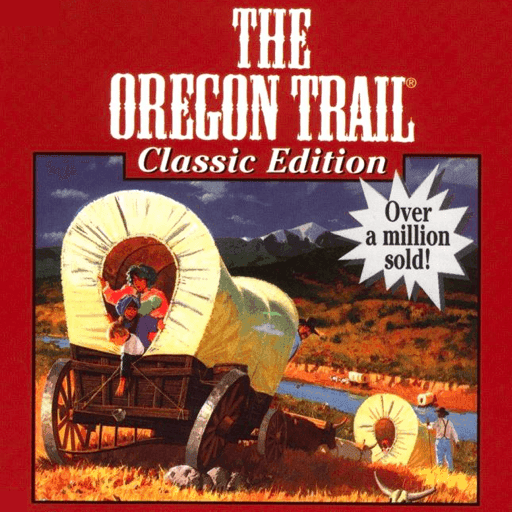
The Oregon Trail
Historical Storytelling: How Games Turn the Past Into Narrative
One of the biggest ways games shape history understanding is through historical storytelling.
Games often tell history through:
Characters and leaders
Journeys and missions
Conflicts and alliances
Moral choices and consequences
That narrative focus creates emotional connection. People remember stories far more easily than lists of facts.
Even in games that aren’t story-heavy, narrative still emerges. Civilization is a great example. It’s not a scripted story, but every match produces a story:
An early alliance that saved you
A war that drained your empire
A comeback built through science
A cultural win when you thought you were behind
Those stories shape how players interpret what history “is.” It starts to feel like a series of turning points and choices.
That narrative framing is useful, but it can also oversimplify. Real history is not always one dramatic moment after another. But storytelling is how the brain makes meaning.
So when games teach history through narrative, they teach interpretation as much as information.
Simulation: History as Systems and Patterns
Some history games teach less through story and more through systems.
This is where the link between video games and history becomes very interesting, because games can model forces that are hard to teach in traditional formats.
For example:
Trade routes and economic dependence
The impact of geography on growth
Technology and shifting power
Diplomacy as incentives and leverage
Resource scarcity and long-term planning
Civilization is often discussed here because it acts like a simplified model of how societies compete and develop. It’s not a perfect record, but it teaches systems thinking.
Oregon Trail does something similar at a smaller scale. It models survival logistics, risk, and consequences.
This is the educational strength of digital history learning through simulation. It can help learners see how factors interact, not just what happened.
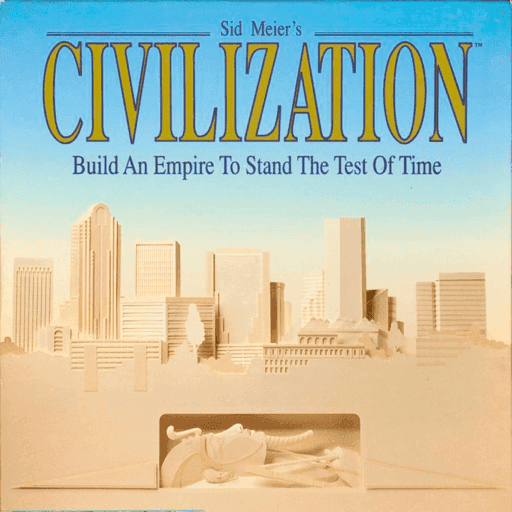
Sid Meier's Civilization
Choice: The Most Powerful Teacher in Games
What really separates games from other history formats is choice.
Games make you decide:
Do you expand or stabilize?
Do you risk the river crossing or wait?
Do you negotiate or fight?
Do you invest in technology or defense?
Choice creates ownership. Ownership creates memory.
This is why game based education works when done well. When learners control outcomes, they become invested. They start to think strategically. They start to ask better questions.
But choice also creates a tricky issue: games often imply that history is shaped by single decisions, especially decisions by leaders.
In real history, decisions matter, but so do structures: institutions, culture, economics, migration, and social movements. Games can struggle to represent these deeper forces fully, because they’re hard to turn into playable mechanics.
So choice is both a strength and a distortion. It teaches agency, but it can accidentally exaggerate individual control.
What Games Teach Well About History
Even with limitations, history-based games teach several things extremely well.
1. Consequences and Trade-Offs
Games show that you can’t have everything. You give up one thing to gain another. That’s true in history and in life.
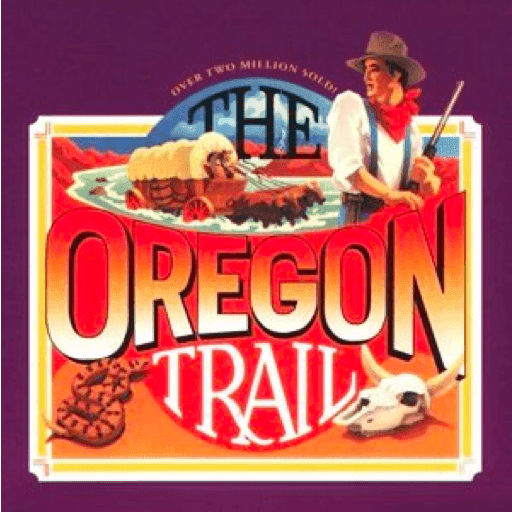
The Oregon Trail Deluxe
2. Uncertainty
Games make you operate without knowing the future. That teaches one of the most honest lessons about history: people didn’t know what would happen next.
3. Geography and Resources
Games help players see how land, climate, and resources shape decisions and outcomes.
4. Systems Thinking
Many games teach how variables interact. Economy affects military. Military affects diplomacy. Diplomacy affects trade. Those links are powerful learning tools.
5. Curiosity
A good history game makes people look things up. It sparks curiosity about real events, cultures, and leaders. Curiosity can lead to deeper learning than forced memorization ever could.
These are meaningful outcomes of interactive learning.
What Games Can Distort About History
To be honest, games also distort history in consistent ways.
1. Oversimplified Timelines
History is compressed for gameplay. That can make change feel faster and cleaner than it really was.
2. Culture as Static Identity
Games often treat cultures as fixed traits. Real cultures evolve, mix, and change over time.
3. Leader-Centered Perspective
Many games frame history as leaders making decisions. Real history includes institutions, social forces, and everyday life.
4. Competition as the Main Story
Strategy games can make history feel like constant rivalry and expansion. Cooperation, exchange, and cultural blending often get less attention.
5. “Winning” as a Historical Goal
Games often imply that progress means “victory.” Real history isn’t a match with a scoreboard.
These distortions don’t mean history games are harmful. They mean players should treat games as models, not as factual records.
That mindset is critical for healthy digital history learning.
How to Think Critically While Playing Historical Games
If you want to enjoy history games and still learn responsibly, here are practical approaches.
Ask What the Game Rewards
Games teach their worldview through rewards. If expansion is rewarded, the game is highlighting expansion as central. That doesn’t mean history was only expansion, it means the game needs that mechanic for tension.
Ask What’s Missing
What doesn’t the game model? Internal politics? inequality? migration? cultural mixing? Asking this makes you a smarter player and a smarter learner.
Treat Games as Gateways, Not Conclusions
If a game sparks interest, take that curiosity into real history sources. The game is a starting point, not the final word.
Compare Different Games
Oregon Trail and Civilization teach different perspectives. Comparing them expands your understanding. This is one reason the conversation about video games and history is so valuable.
Why This Matters Now
In 2026, a huge amount of learning happens outside classrooms. People learn from content, podcasts, and yes, games.
Games are a major part of how modern audiences encounter the past. If that’s true, then understanding how games shape historical thinking matters.
Games can build empathy. They can teach systems. They can spark curiosity. They can also simplify and distort.
The goal isn’t to treat games as “good” or “bad.” The goal is to understand their influence and use it well.
That’s the mature view of game based education.
Final Thoughts
The relationship between video games and history is not a side topic anymore. It’s part of how people learn and interpret the past.
Games shape history understanding through storytelling, simulation, and choice. They teach trade-offs, uncertainty, systems thinking, and curiosity. They also simplify timelines and cultures and can exaggerate individual control.
If you approach history games with a critical lens, they become one of the most effective learning tools of the modern era.
Not because they replace books, but because they make people care enough to ask questions.
And in history, questions are where real learning begins.
FAQs
Do video games actually teach history?
They can teach historical patterns, systems, and emotional perspective, especially through interactive learning. But they often simplify details, so they work best as gateways to deeper study.
How do games affect the way people understand the past?
Games shape understanding through historical storytelling and simulation. They make players experience trade-offs, uncertainty, and consequences, which can change how history feels.
Are history games reliable sources of facts?
Not fully. Games compress timelines and simplify cultures for gameplay. They should not be treated as factual sources without verification.
What is digital history learning?
Digital history learning refers to learning about the past through digital formats, including games, simulations, and interactive tools, rather than only traditional textbooks.
How should I approach historical games to learn responsibly?
Treat them as models, notice what they reward, ask what they leave out, and use them as a starting point to explore real historical sources.
Related articles
Sierra vs. Westwood: Defining the 90s Adventure Game Rivalry
Explore the intense rivalry between Sierra and Westwood that shaped the 90s DOS adventure game landscape.
Crafting a Living World: The Artistry of Ultima VI
Explore how Ultima VI mastered world-building within its technical limits, creating an immersive experience that influenced future RPGs.