How Sound Revolutionized DOS Gaming: From Beeps to Immersive Worlds
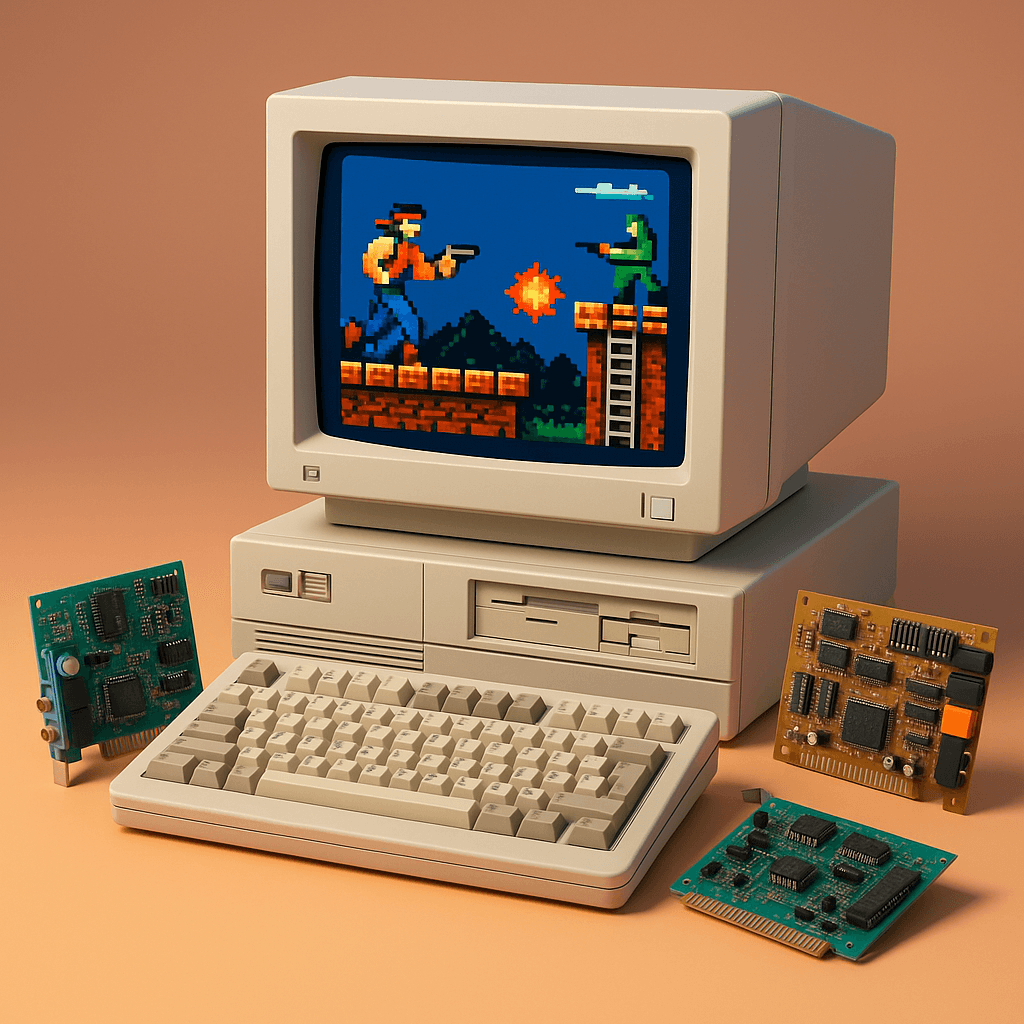
Sound has always been a crucial element in crafting immersive gaming experiences. For DOS games, the evolution of audio technology marked a dramatic shift in how players engaged with virtual worlds. From humble beginnings with basic beeps to the complex compositions that accompanied epic adventures, sound technology was a game-changer. This journey through the evolution of sound in DOS games reveals how these advancements shaped the gaming landscape we know today.
The Humble Beginnings: PC Speaker’s Beeps and Boops
In the early days of DOS gaming, sound was often limited to basic tones generated by the PC Speaker. These rudimentary sounds, though simple, were integral in providing feedback to players, alerting them to in-game events. Despite its limitations, the PC Speaker laid the groundwork for future advancements, proving that even minimal audio could enhance a player’s connection to the game.
AdLib vs. Sound Blaster: The Battle for Audio Supremacy
The introduction of the AdLib sound card in the late 1980s brought a significant leap in sound quality. With its FM synthesis capabilities, it offered richer and more varied sounds compared to the PC Speaker. However, it was the Creative Labs’ Sound Blaster that truly revolutionized game audio. Offering digital sound sampling and a MIDI interface, the Sound Blaster provided a more immersive experience, paving the way for complex soundscapes and full musical scores. This shift not only enhanced player engagement but also influenced game design, as developers could now use sound to build atmosphere and tension.
Commander Keen’s Contribution to Audio Advancements
One of the key titles that leveraged these advancements was Commander Keen: Keen Dreams. Developed by id Software, this game incorporated the richer sounds and music made possible by the new sound cards. It used engaging audio to complement its quirky narrative and vivid visuals, demonstrating how sound could be an equal partner to other elements in creating memorable game worlds.
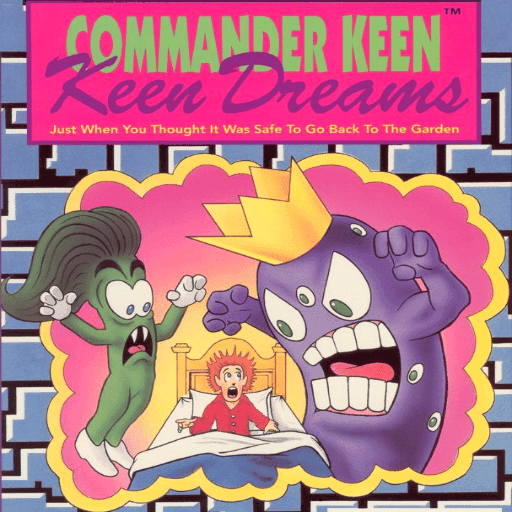
Commander Keen: Keen Dreams
Soundscapes of Doom: Creating Atmosphere Through Audio
The impact of sound on atmospheric storytelling is perhaps best illustrated by the iconic Doom franchise. Composed by Bobby Prince, the game’s soundtrack and sound effects played a crucial role in building its intense, eerie atmosphere. From the growling demons to the echoing corridors, sound was not an afterthought but a core component of the immersive experience. This approach influenced countless other titles, proving the potential of audio to transform simple gameplay into an epic narrative journey.
Beyond Effects: The Rise of Music and Compositions
As sound technology evolved, so did the complexity of the music and compositions within DOS games. Titles like Abuse utilized dynamic soundtracks that reacted to player actions, enhancing the game’s intensity and immersion. By moving beyond simple effects, these compositions added a new layer of depth to storytelling, making audio an essential design element.

Echoes of the Past: The Legacy of DOS Sound Technology
The advancements in DOS sound technology laid the foundation for modern audio innovations. The ability to create immersive environments with sound has become a staple in gaming, influencing titles across genres and platforms. Today’s games continue to build on these early innovations, using sound to craft experiences that captivate players both emotionally and cognitively. The legacy of DOS audio technology is evident in how sound remains a crucial component in gaming, driving engagement and narrative depth.
While graphics often steal the spotlight, the evolution of sound in DOS games deserves recognition for its crucial role in shaping the player’s experience. From the humble PC Speaker to the groundbreaking Sound Blaster, each advancement brought games to life in new ways, merging the worlds of sight and sound. As we continue to embrace modern audio technology, it’s worth remembering the DOS era’s contributions, which set the stage for the immersive soundscapes we enjoy today.
Related articles
The Influence Tree of Betrayal: From Krondor to its Legacy
Explore the narrative depth and enduring legacy of Betrayal at Krondor, a game that transformed RPG storytelling.
Duke Nukem: The Antihero Who Defined 90s Gaming
Explore Duke Nukem's evolution and lasting impact on gaming culture as a quintessential 90s action hero.