Crafting a Living World: The Artistry of Ultima VI
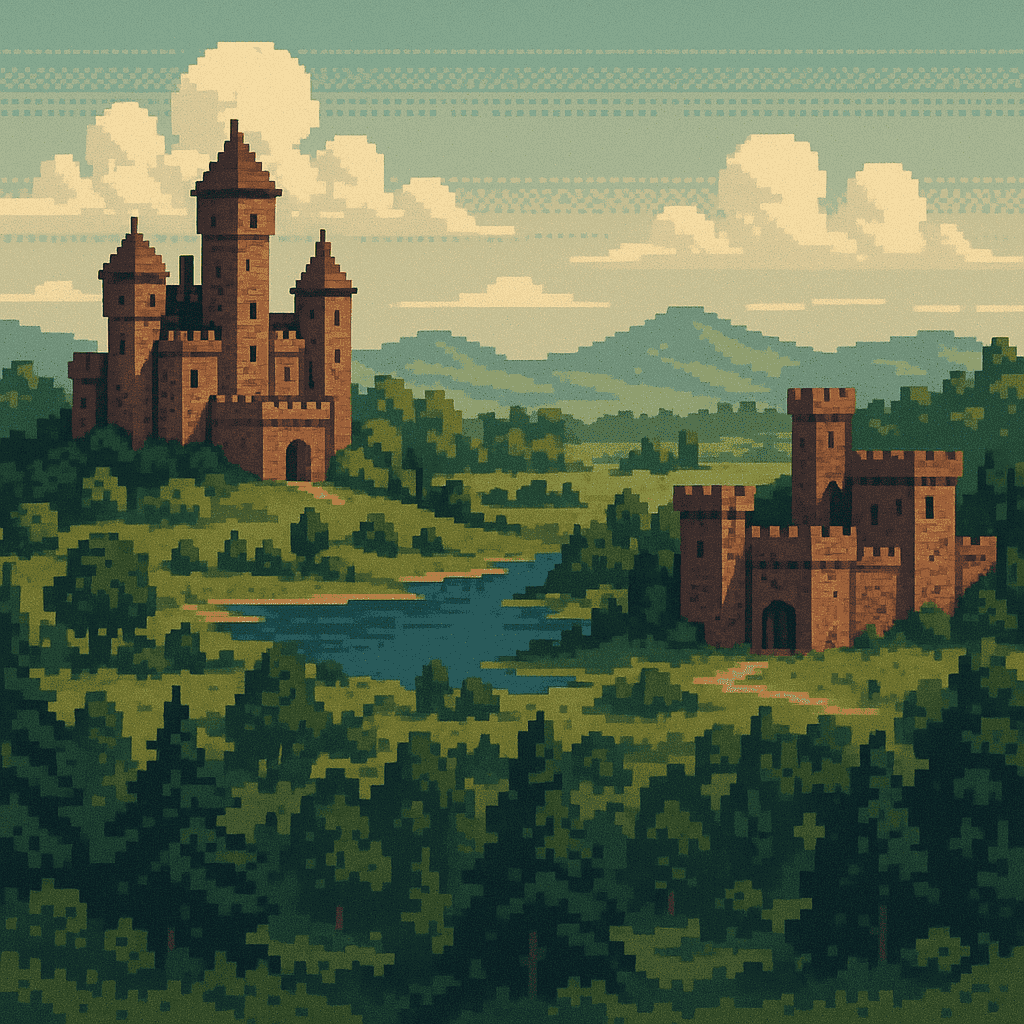
Released in 1990 by ORIGIN Systems, Inc., Ultima VI: The False Prophet stands as a landmark in the evolution of role-playing games. As the sixth installment of the esteemed Ultima series, it expanded on the series’ legacy of intricate storytelling and immersive world-building. This game pushed the boundaries of what was technologically possible at the time, creating a dynamic and interactive environment that dares players to explore and engage with its rich narrative tapestry.
Narrative Techniques That Made Britannia Alive
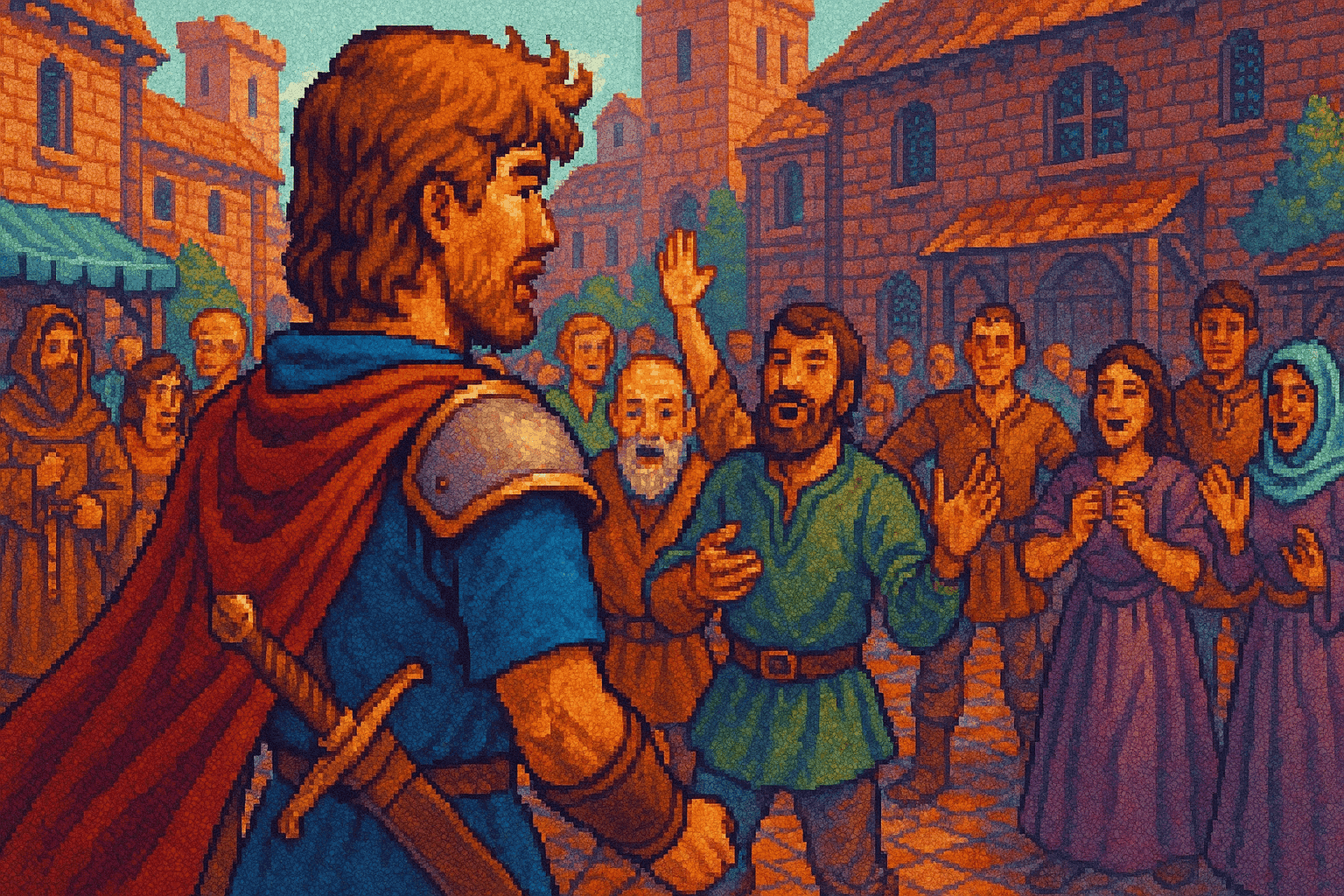
One of the most captivating aspects of Ultima VI is its narrative depth. The game intricately weaves a story that is both engaging and morally complex, involving players in ethical dilemmas that were revolutionary for its time. Dialogue plays a crucial role, with branching conversation trees that allow players to engage with the inhabitants of Britannia in meaningful ways. This technique not only shapes the story but also personalizes the player’s journey, making each decision impactful.
The plot’s complexity extends beyond dialogues, encompassing themes of prejudice and redemption. This mature narrative structure prompts players to reconsider their actions and their consequences, a hallmark of RPG world-building that has influenced countless games thereafter.
Overcoming Graphical Limits to Build Atmosphere
While Ultima VI was constrained by the graphical capabilities of its era, it deftly overcame these limitations to create a compelling atmosphere. Utilizing a top-down perspective, the game employed detailed tile graphics to represent the diverse landscapes of Britannia. This approach allowed for a surprisingly rich visual experience, enabling players to immerse themselves in a world that felt both vast and intricately detailed.
Additionally, the game’s use of color and design compensated for the lack of high-resolution graphics. The choice of palette and attention to environmental detail helped evoke a sense of realism and immersion, drawing players into its world despite the technological constraints.
Exploring Britannia: Key Locations and Their Impact
Britannia, the central setting of Ultima VI, is a land filled with diverse and memorable locations. Each area within the game serves a purpose beyond mere exploration, contributing to the overarching narrative and player experience. Towns such as Britain and Trinsic offer hubs of interaction, where players can gather information, shop for supplies, and engage with local politics.
Dungeons and remote locations provide a stark contrast, testing players’ strategic thinking and courage. The careful design of these locations ensures that they are not just backdrops but integral parts of the game’s storytelling fabric, each with its history and mysteries to uncover.
The Role of NPCs in Shaping a Dynamic Ecosystem
Non-player characters (NPCs) are the lifeblood of Ultima VI’s world. Unlike the static NPCs of many contemporary games, those in Britannia lead their own lives, complete with schedules and routines. This simulation of daily life adds a layer of depth to the game’s world-building, making it feel alive and responsive to the player’s actions.
The NPCs’ varied responses to the Avatar’s presence and their reactions to in-game events contribute to a dynamic environment. This complexity of interaction set a new standard for RPGs, influencing how future games designed their in-game worlds and character interactions.
Ultima VI’s Lasting Influence on RPG Design
Ultima VI has left an indelible mark on the RPG genre. Its approach to storytelling, character interaction, and world-building has been emulated and refined in countless games since its release. By tackling complex themes and creating a believable world, Ultima VI laid the groundwork for modern RPGs, inspiring developers to prioritize narrative depth and immersive environments.
The game’s influence can be seen in how current RPGs handle moral choices, interactive dialogues, and environmental storytelling. Its legacy endures, reminding us that even within the confines of technological limitations, a well-crafted world can captivate and engage players across generations.
As we reflect on the artistry of Ultima VI, it’s clear that its world-building achievements were nothing short of revolutionary for its time. By blending complex narratives, rich environmental details, and dynamic character interactions, it set a new standard for RPGs that continues to inspire. Ultima VI: The False Prophet remains a seminal work, demonstrating that the power of storytelling and world creation transcends graphical limitations, leaving a lasting impact on the gaming world.
Related articles

The Iconic Box Art and Marketing Magic of Caesar II
Explore how Caesar II's box art and marketing played crucial roles in its success and legacy.
The Strategic Craft of Command & Conquer: Red Alert’s Level Design
Explore the intricacies of Command & Conquer: Red Alert's level design and its impact on strategic gameplay.