The Technological Marvel of SimCity: Revolutionizing Simulation

In 1989, Maxis Software Inc. introduced the world to SimCity, a game that would forever change the landscape of simulation gaming. Unlike traditional games of its time, SimCity offered players a sandbox experience where the only limit was their own creativity. As players engaged with their cities, they found themselves captivated not just by the gameplay, but by the technological prowess that underpinned it. SimCity’s innovative approach to simulation gaming was not only revolutionary in its execution but also inspiring for future gaming developers.
SimCity’s Groundbreaking Technical Innovations
SimCity was a pioneer in many respects, but its technical innovations truly set it apart. At a time when most games were focused on linear storytelling or high scores, SimCity introduced a complex system of simulation that allowed for a multitude of outcomes. The game utilized a resource management system that was both simple to grasp yet deep enough to present intricate challenges. Players could control zoning, taxation, and public services, all of which dynamically affected the city’s growth and prosperity.
Moreover, SimCity’s simulation model was groundbreaking as it allowed for a real-time evolution of the cityscape, something unheard of in its era. This was achieved through a combination of clever programming and innovative use of available technology, pushing the limitations of what was possible on contemporary hardware.
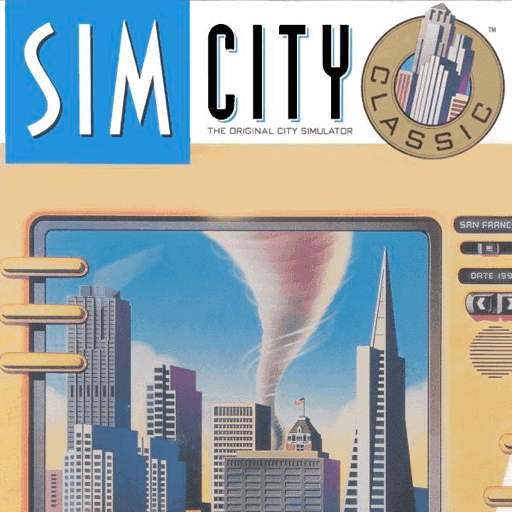
SimCity
The Engine Behind SimCity: Allowing Complex Simulations
The heart of SimCity’s success was its innovative game engine, which was designed to process complex simulations with surprising efficiency. This engine could handle multiple variables simultaneously, simulating everything from traffic congestion to natural disasters, each affecting the city in unique and realistic ways. The engine’s capacity to simulate the ripple effects of player decisions was a game-changer for the industry.
This was complemented by a robust algorithm that calculated the needs and reactions of the virtual citizens, adding a layer of depth that was both engaging and challenging. The simulation model employed by SimCity allowed for an open-ended experience, providing players with a continuous cycle of problem-solving and growth.

Interactive Player Feedback: The Pulse of the City
One of SimCity’s most acclaimed features was its interactive feedback system, which provided players with constant updates on the city’s status. This system was not just a passive reporting tool; it actively engaged players by allowing them to respond to the needs and demands of their citizens. Players were tasked with balancing budgets, addressing environmental issues, and maintaining public satisfaction, each choice impacting the city’s trajectory.
The feedback mechanism was intuitive, making it accessible to new players while offering enough complexity to keep seasoned gamers engaged. This design choice ensured that players felt a genuine connection to their cities, fostering a sense of responsibility and investment in the game’s outcome.
SimCity’s Enduring Legacy in Modern Simulation Games
SimCity’s impact on modern simulation games is undeniable. It laid the groundwork for an entire genre, inspiring titles like SimCity 2000 and influencing countless others in the simulation and city-building realm. Its focus on player-driven narratives and complex simulations has been echoed in contemporary games, such as A-Train and Caesar II, which build upon the principles introduced by SimCity.
Even today, game developers look to SimCity as a benchmark for creating immersive and engaging experiences. Its emphasis on real-time simulation and player interaction continues to inspire the design of modern games. By prioritizing creativity and strategic thinking, SimCity remains a beloved classic, cherished by gaming enthusiasts around the world.
Reflecting on SimCity’s profound influence, it’s clear that this pioneering game did more than entertain; it reshaped the landscape of simulation gaming. By offering players an unprecedented level of control and complexity, SimCity set a precedent for what games could be, transforming the medium into a canvas for creativity and strategy. As we continue to play and create in the digital cities of our modern games, we owe much to the technological marvel that was SimCity.
Related articles
IRQ Conflicts: The Boss Fight Before Every DOS Game
Explore the technical challenge of IRQ conflicts in DOS gaming and how players resolved them.
From Beeps to Orchestras: The Sound Evolution in DOS Gaming
Explore the evolution of sound in DOS gaming, from early PC speaker beeps to rich orchestral soundtracks.