Nostalgia: The DOS Games That Defined Our Childhood
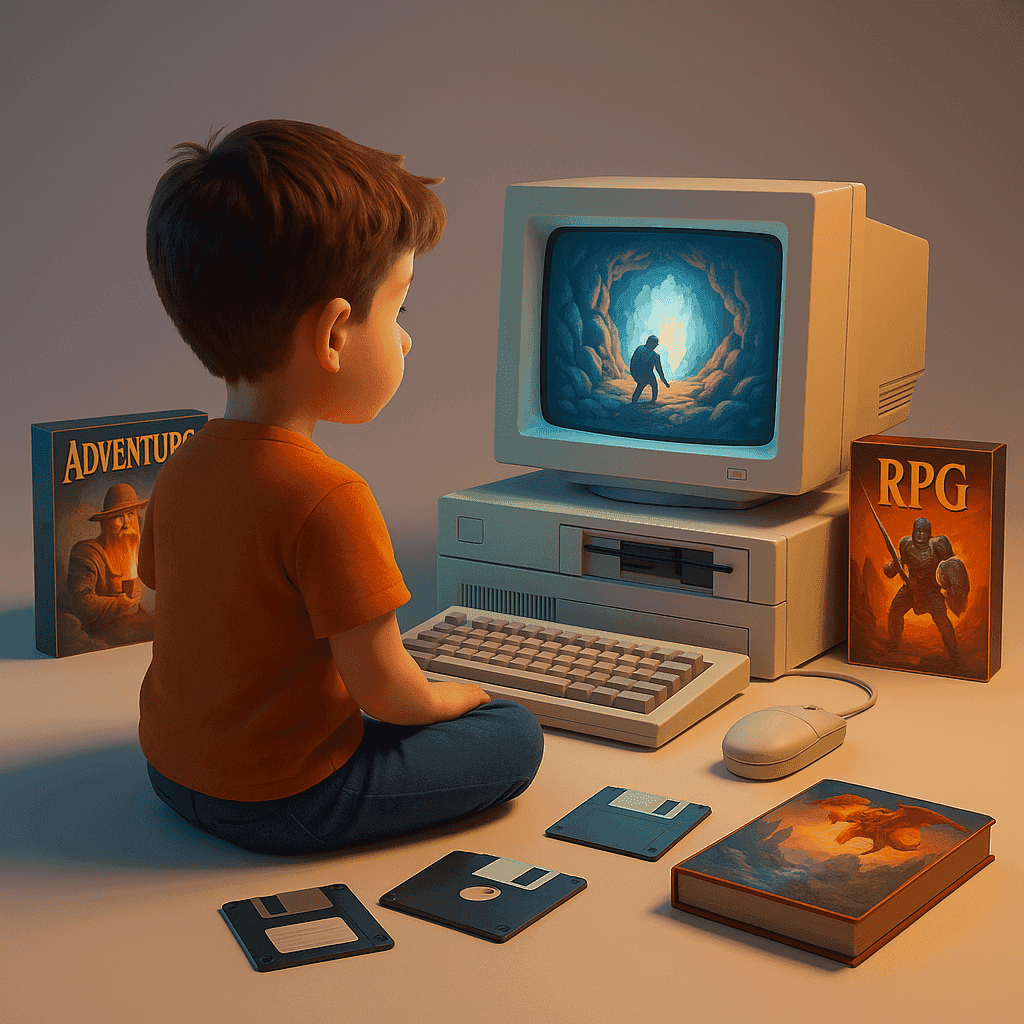
The hum of an old DOS computer, the flicker of the CRT screen, and the anticipation of loading up our favorite game. These are the sensory memories that defined a generation of gamers who grew up amidst the pixelated worlds of DOS games. Back then, these titles were more than just escapes; they were formative experiences that melded the magic of storytelling with the thrill of adventure. In a world before internet walkthroughs, every game was an uncharted territory that beckoned us to explore.
Revisiting these memories transports us back to a time when our biggest concern was defeating the next boss or solving the next puzzle. It’s in this nostalgic journey that we find a shared history among those who spent countless hours in the company of DOS games. Let’s reminisce about those days when DOS games weren’t just games—they were the fabric of our childhoods.
The Emotional Pull of Childhood Gaming Memories
Nostalgia in gaming is a powerful thing. As children, our emotions were deeply intertwined with the games we played. The thrill of conquering a difficult level, the frustration of a seemingly unbeatable boss, and the joy of finally seeing those end credits—these were moments that defined our gaming experiences. DOS games, with their unique combination of storytelling and gameplay, managed to create worlds that were both inviting and challenging. These games captured our imaginations and held onto them tight, even as we grew older.
Our childhood memories are often punctuated by the games we played. They served as markers of time, bringing a sense of familiarity and comfort. In the vibrant pixels and chiptune melodies, we found companionship and a sense of achievement, often mirroring our real-world dreams and aspirations.
Quest for Glory II: A Magical Childhood Adventure
Quest for Glory II: Trial by Fire is a game that perfectly encapsulates the adventurous spirit of DOS games. Released in 1990 by Sierra On-Line, Inc., this game invited us into a world of magic and mystery. Its blend of role-playing and adventure elements offered a unique experience that was both challenging and rewarding. We remember the thrill of navigating through its puzzles, the satisfaction of uncovering hidden secrets, and the sheer delight of watching our characters grow and evolve.
The graphics and sound, though simple by today’s standards, were captivating at the time. They fueled our imaginations, encouraging us to explore every corner of its magical world. For many, Quest for Glory II wasn’t just a game; it was a gateway to endless possibilities where every decision felt significant.
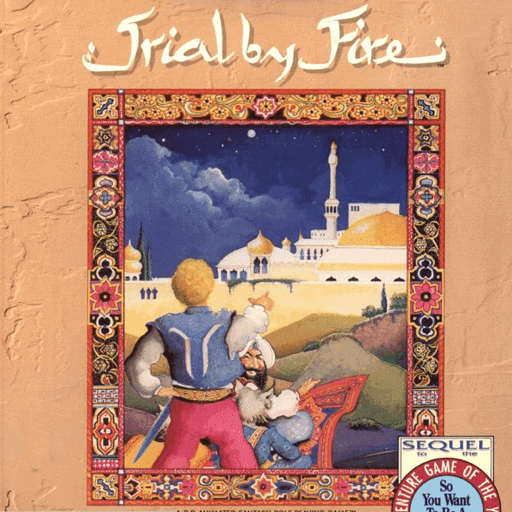
Quest for Glory II Trial by Fire
Ultima VII: The Black Gate and the Art of Storytelling
Another cornerstone of our role-playing childhood was Ultima VII: The Black Gate. Released in 1992 by ORIGIN Systems, Inc., this game redefined storytelling in video games. It offered a richly detailed world filled with intricate plots and captivating characters. As players, we were drawn into the land of Britannia, where every interaction felt meaningful and every decision carried weight.
The depth of Ultima VII’s narrative was unmatched, allowing us to lose ourselves in its complexities. The game was more than just a series of quests; it was a living world where our actions had genuine consequences. It taught us the value of exploration and curiosity, rewarding those who dared to stray from the beaten path.

Ultima VII: The Black Gate
Cultural Impact: How DOS Games Shaped Gaming in the 90s
The 1990s were a transformative period for video games, and DOS games were at the forefront of this revolution. They laid the groundwork for many of the gaming conventions we see today. The impact of games like Quest for Glory II and Ultima VII went far beyond their immediate storylines; they influenced how games were designed and perceived. These games brought depth to character development and storytelling that was previously unseen. They encouraged players to become more than just passive observers, transforming them into active participants in shaping the game’s world.
The community that formed around these games was as vibrant as the games themselves. Players shared tips and secrets, discussed story theories, and bonded over their shared experiences. This communal aspect of DOS gaming helped establish a foundation for today’s thriving gaming communities, fostering a sense of belonging and shared adventure.
Reflecting on the Eternal Legacy of DOS Games
As we look back on the evolution of DOS RPGs, it’s clear that these games have left a lasting imprint on the gaming world. Their influence is evident in modern game design, where the elements of storytelling, character progression, and world-building are more important than ever. For many of us, DOS games were the catalysts that sparked our love for gaming, teaching us valuable skills and life lessons along the way.
Even today, when the graphics have become more realistic and the gameplay more intricate, the simple joy of playing a DOS game remains unmatched. These games continue to resonate with us, not just as nostalgic relics of a bygone era, but as foundational experiences that have shaped who we are as gamers.
Reflecting on these timeless classics reminds us of the joy and wonder that DOS games brought into our lives. They were more than just a pastime; they were an integral part of our childhoods, shaping our imaginations and teaching us the power of storytelling. As we share these memories, we connect with a community of gamers who experienced the same magic, keeping the legacy of DOS games alive for future generations to cherish.
Related articles
Autumn Adventures: DOS Games to Embrace the Season
Explore classic DOS games that capture the essence of autumn, offering cozy, atmospheric adventures perfect for rainy days and cool nights.
Speedrunning Space Quest V: The Next Mutation
Dive into the vibrant speedrunning community of Space Quest V: The Next Mutation, exploring categories, techniques, and standout figures.