1869 and the Art of Merchant Strategy
1869 is a business strategy game created by Max Design, the Austrian studio and publisher behind the DOS release, and it belongs to that memorable wave of early management titles that treated commerce as drama. Rather than focusing on warfare or conquest, it transforms trade into a contest of nerve, timing, and ambition. Set during the age of global shipping, the game invites players to think like entrepreneurs, balancing investment, logistics, and competition while turning the sea into a moving network of opportunity. That foundation gives 1869 a timeless charm, because the pleasure comes not from spectacle alone, but from the constant tension between risk and reward.
What makes the game memorable is the way it captures the romance of commerce without losing its strategic edge. Ships are not merely units on a map; they are assets, commitments, and sometimes expensive mistakes. Every port suggests possibility, every cargo choice reflects a prediction, and every voyage asks whether patience will beat boldness. This design gives 1869 an identity that still feels distinctive. It is a historical trading game, yet it is also a study in momentum, where one clever deal can fund expansion and one careless decision can slow an emerging empire.
Why 1869 Still Feels Fresh as a Trading Game
The heart of 1869 lies in buying low, selling high, and learning how the wider network behaves. That sounds simple at first, but the game’s strength comes from how many strategic layers grow out of that principle. You are not only transporting goods; you are deciding where to invest, which routes deserve attention, when to expand, and how to react to rivals who want the same profits. The result is a management experience that rewards observation as much as aggression.
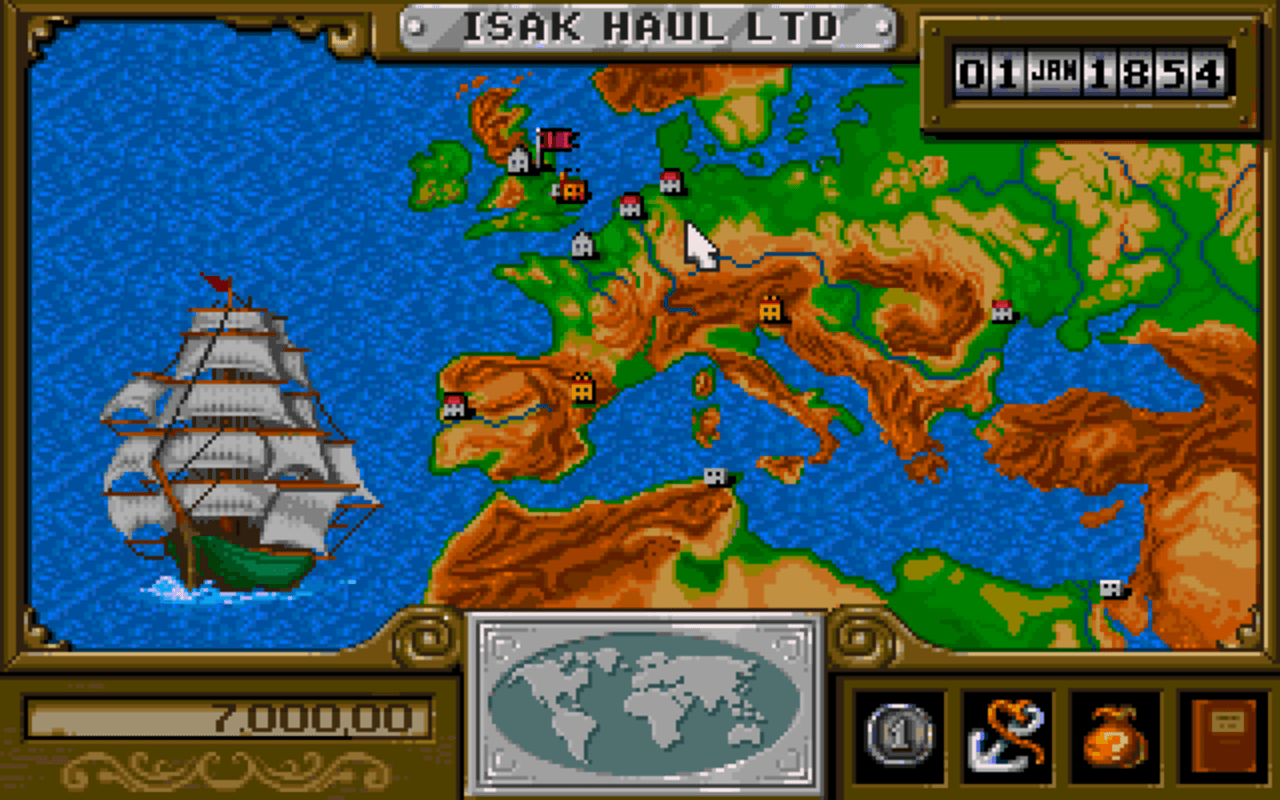
That structure is why the game remains engaging for modern players who want to play a classic strategy game online. 1869 does not rush toward action for its own sake. Instead, it builds satisfaction through long-term thinking. A player begins with modest means, then gradually shapes a shipping company through smart purchases and disciplined trade. Success feels earned because the game never hands out dominance. It asks for judgment. In that sense, 1869 shares some spirit with Railroad Tycoon and The Patrician, but its emphasis on maritime commerce gives it a different rhythm. The sea creates distance, uncertainty, and a broader feeling of international ambition.
Another reason the game lasts is its competitive texture. 1869 supports multiple players taking turns, and that format adds tension even when you play primarily as a solo strategist at heart. Rivals influence prices, opportunities, and expansion paths. The market never feels completely private. That pressure makes each successful shipment more satisfying, because it feels like a victory in an ongoing economic duel rather than a routine transaction.
Routes, Cargo, and the Pleasure of Building an Empire in 1869
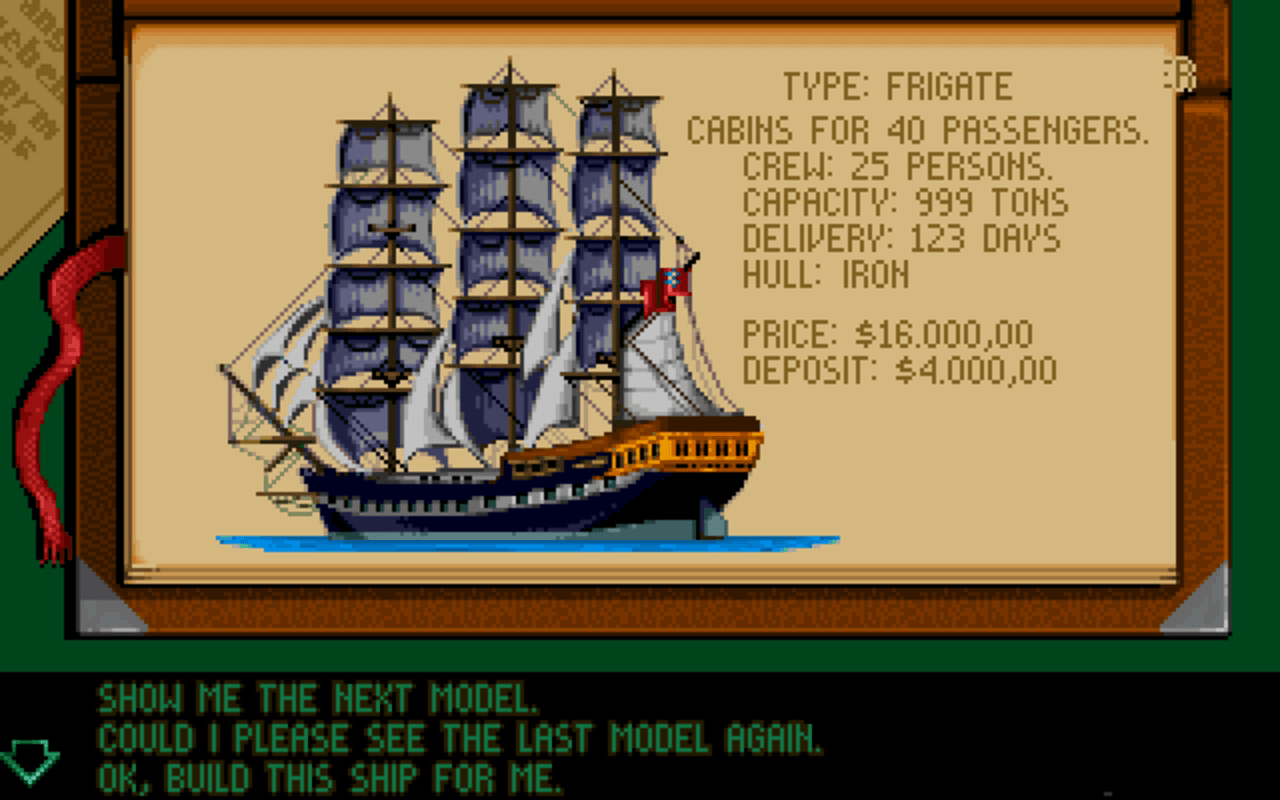
A great deal of the game’s personality comes from its focus on ships, ports, and commercial planning. Building a fleet is only the beginning. The real pleasure lies in making that fleet useful. Certain goods matter in certain places, and the player learns to read geography as a business puzzle. Some journeys are steady and practical, while others promise better returns if managed at the right moment. Over time, your company becomes a map of your own decisions.
The passenger element adds another welcome layer. Moving people is not the same as moving cargo, and that distinction helps 1869 avoid feeling one-note. The game becomes a broader merchant simulation in which your fleet can serve multiple economic purposes. Special opportunities and bonus situations further enrich the experience, encouraging flexibility instead of repetitive habits. A player who keeps adapting will often outperform one who simply repeats an early winning route.
There is also an understated narrative quality to the game. 1869 does not rely on a heavy scripted story, yet every campaign creates one through commerce. A risky purchase, a surprise profit, a contested route, or a sudden expansion into a new market becomes part of a personal tale of enterprise. That is a major reason why the game remains easy to revisit. It produces stories from systems, and those stories feel different depending on how boldly or cautiously you play.
Play 1869 online
Play 1869 online and the appeal becomes immediately clear: this is a strategy game built on decisions that remain satisfying no matter when you discover it. The game can be played free in a browser, and its turn-based structure makes it well suited to mobile devices as well as desktop play, since thoughtful planning matters more than fast reactions. Because of that design, 1869 translates naturally to modern ways of enjoying classic games without restrictions, while still preserving the deliberate pacing that gives the original its character.
For players discovering it for the first time, the online experience highlights how readable the design really is. You begin to understand the market, measure routes, test ideas, and gradually build confidence. For returning fans, playing 1869 online brings back the pleasure of a business game that respects patience and rewards clear thinking. It is easy to see why the title still attracts strategy enthusiasts who prefer economics over combat and long-term planning over short bursts of action.
The Lasting Appeal of 1869 for Strategy Fans
What finally sets 1869 apart is its balance between accessibility and depth. The premise is easy to grasp, yet the implications of every decision can ripple across an entire campaign. The game trusts players to observe, learn, and improve. It does not need constant noise to stay interesting; its drama comes from investment, competition, and the simple question of whether your next move will expand your fortune or expose a weakness.
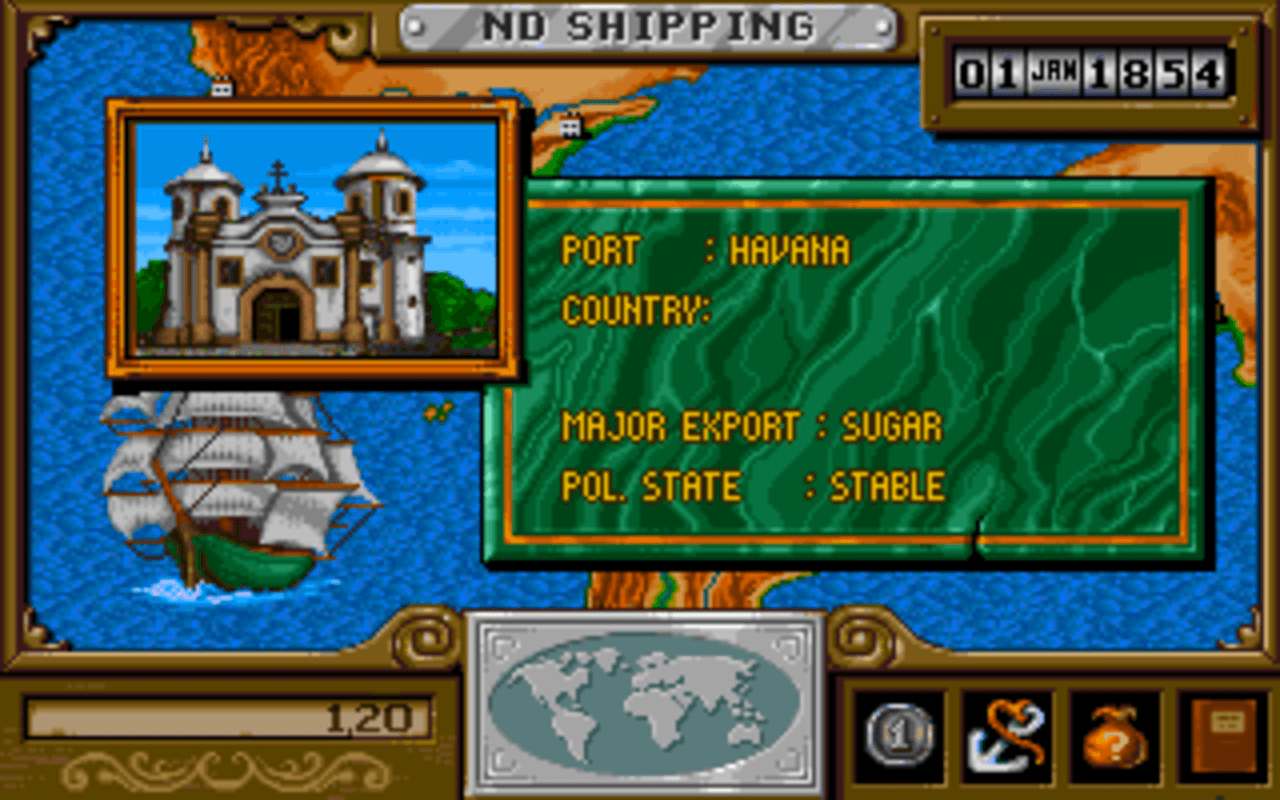
For anyone who enjoys management, trade, and historical atmosphere, 1869 remains a rewarding game to play. It captures the excitement of building something larger than a single voyage, and it frames commerce as a living contest of planning and intuition. In summary, 1869 stands as a smart and characterful shipping strategy game from Max Design, one that turns market knowledge into momentum and careful expansion into real satisfaction. Control is generally straightforward, with players using menus and commands to buy ships, choose ports, assign cargo, and manage routes turn by turn.
All used codes are publicly available, and the game belongs to its original authors.