Fields of Glory and the art of Napoleonic command
Fields of Glory captures the drama of the Napoleonic era in a way that few classic strategy games manage. Published by MicroProse, a studio renowned for its dedication to deep simulations and thoughtful design, the game recreates iconic battles where lines of infantry, cavalry charges, and pounding artillery determined the fate of empires. Rather than focusing on empire management or long campaigns across a map of Europe, Fields of Glory zooms in on the battlefield itself, letting you experience the tension of command at the moment when orders are given and formations clash.
From the outset, the game invites you to think like a historical general. You are not just moving units; you are positioning entire brigades, coordinating multiple arms of your army, and reading the flow of combat. Infantry lines need to be angled correctly, reserves must be kept ready to plug gaps, and cavalry cannot simply be thrown into the fray without support. Every decision about where to place your troops, when to advance, and when to fall back has a real impact on the outcome of the battle. This emphasis on command-level decision making gives Fields of Glory a distinctive flavor within the world of strategy games.
The game’s historical context enriches every engagement. The Napoleonic wars were defined by discipline, formations, and timing, and Fields of Glory translates that into gameplay that rewards patience and planning. You are constantly balancing aggression with caution: push too hard, and your exhausted units will crumble; hesitate for too long, and the enemy’s guns and bayonets will seize the initiative. This dynamic creates a compelling rhythm where each battle tells its own story, shaped by your choices and the limitations of your troops.
Battlefield realism and strategy in Fields of Glory
One of the most striking qualities of Fields of Glory is its commitment to battlefield realism. Units are not anonymous blobs on a map; they represent historically grounded formations with strengths and weaknesses. Infantry in line can pour out firepower but is vulnerable to flanking. Squares can resist cavalry but are more exposed to artillery. Artillery can tear holes in enemy formations from afar but must be carefully positioned and protected. Understanding these interactions is crucial to success, and the game constantly encourages you to think in terms of combined arms tactics.
Morale plays a central role in how the battles unfold. Troops do not fight to the last man without question; they waver, retreat, and occasionally break altogether if pressed too hard. This emphasis on morale makes the game feel alive and unpredictable in the best way. A unit that seems secure may falter after a fierce bombardment or a sudden flank attack. Conversely, a well-timed countercharge can stabilize a crumbling line and turn defeat into victory. Instead of relying on simple numbers or hit points, Fields of Glory demands that you manage the psychological state of your army as carefully as its physical position.
Terrain is another essential factor in the game’s strategy. Hills, forests, and rivers are not just visual decoration; they influence the effectiveness of your troops and the speed of their movement. Positioning artillery on high ground, anchoring your flank on a village, or using a ridge to mask an advance can be the difference between a triumphant attack and a disastrous rout. Because the game recreates recognizable Napoleonic landscapes, each map becomes a puzzle where you must match your plan to the ground beneath your soldiers’ boots.
Fields of Glory also shines in the way it handles scale. You command sizable forces, yet the interface and pacing let you keep an overview of the entire field while still caring about individual formations. Instead of overwhelming the player with needless complexity, the game focuses on the essentials of command: issuing orders, anticipating enemy moves, and adjusting your plan on the fly. This balance makes it approachable for those new to historical wargames while still offering enough depth to keep veterans engaged.
Play Fields of Glory online
Play Fields of Glory online and you can immerse yourself in classic Napoleonic battles without needing specialized hardware or complex setup. Experiencing this strategy game in a browser keeps the focus where it belongs: on commanding your army, not on configuration screens. Being able to play for free lowers the barrier to entry, allowing anyone curious about historical strategy to step onto the virtual battlefield and test their skills.
Modern online play also means that you can enjoy Fields of Glory across a wide range of devices. Whether you are at a desk with a keyboard and mouse or relaxing with a mobile device, the core experience remains the same: careful positioning, thoughtful timing, and the thrill of watching your plans unfold. Touch controls can work naturally with the game’s interface, as tapping and dragging to direct units mirrors the intuitive feeling of moving counters on a physical map.
Because the game’s design focuses on timeless strategic principles rather than flashy, hardware-intensive effects, it translates well to browser-based play and mobile devices without restrictions. The heart of Fields of Glory lies in its tactical choices, the interplay of formations, and its historically inspired scenarios. These aspects remain fully intact when enjoyed online, allowing new generations of players to discover why this classic still resonates with strategy enthusiasts.
Visuals, atmosphere, and lasting appeal of Fields of Glory
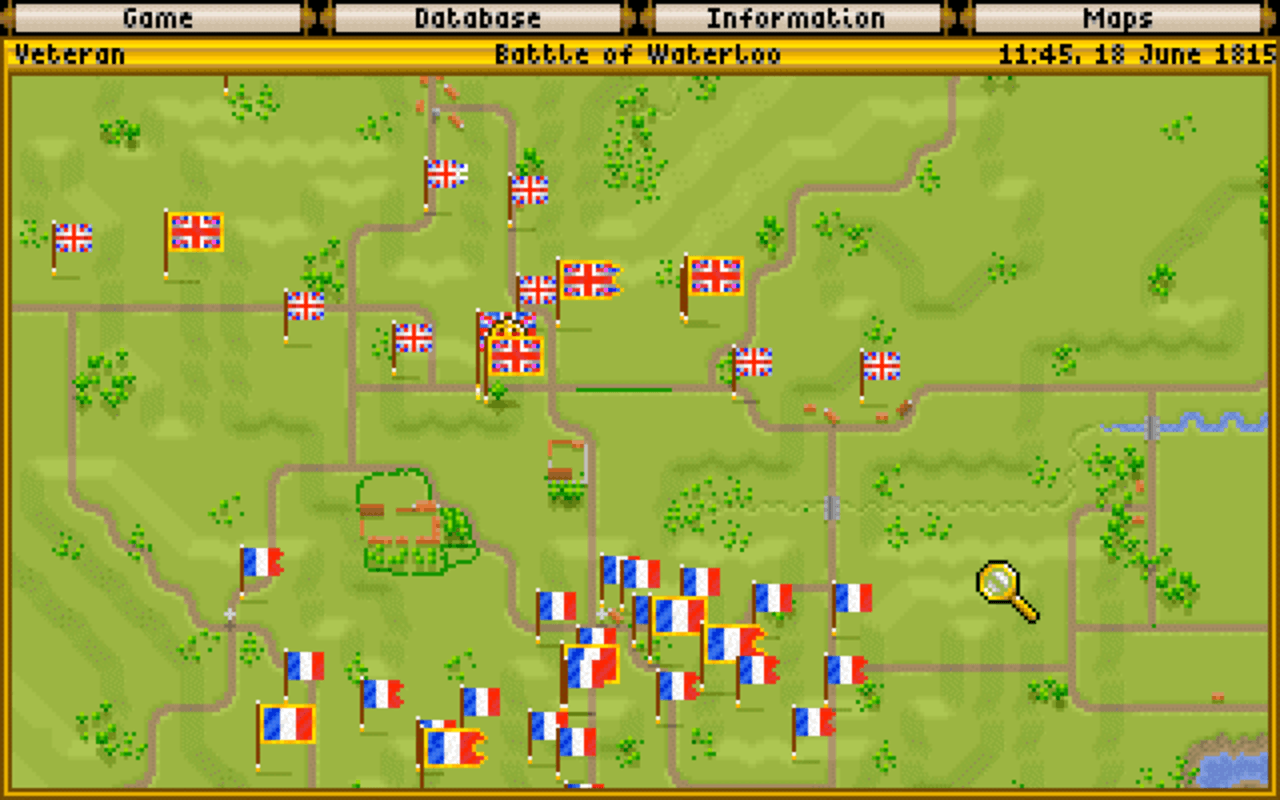
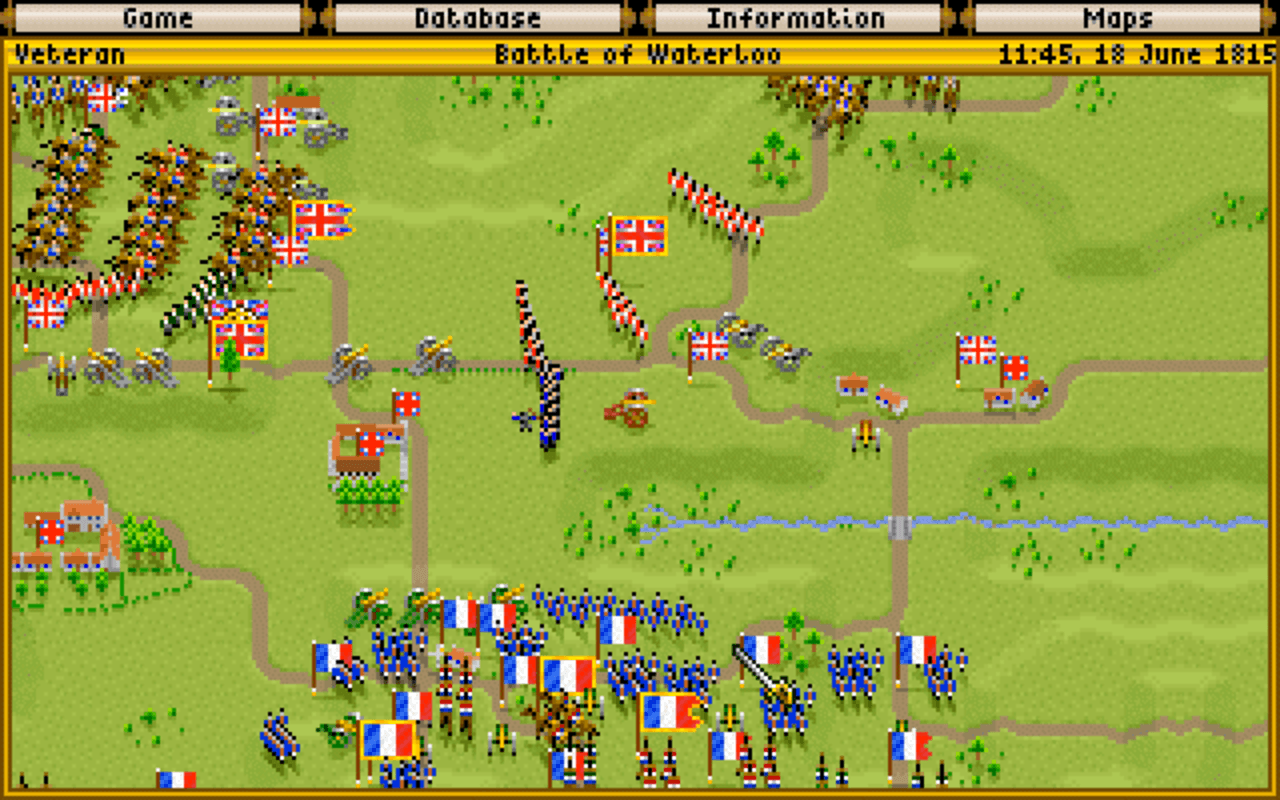
Visually, Fields of Glory embraces a style that emphasizes clarity and atmosphere. The graphics, while rooted in the era of DOS games, use color and perspective in a way that makes the battlefield easy to read. Units are clearly identifiable, and terrain features are distinct enough that you can quickly assess where to advance, where to defend, and where to deploy your artillery. This readability supports strategic thinking, ensuring that the visuals enhance rather than obscure your plans.
The sound design adds another layer of immersion. The thunder of cannons, the crack of musket fire, and the march of troops across the field create a convincing auditory backdrop for your decisions. The music underscores the drama of each engagement, reinforcing the sense that you are orchestrating pivotal moments in a grand campaign. Even after many battles, the combination of sound and visuals maintains its charm, reminding you that you are participating in a carefully crafted historical experience.
What truly gives Fields of Glory its lasting appeal is the way every battle feels like a fresh challenge. The core rules do not change, yet different deployments, tactical gambits, and small shifts in timing can produce dramatically different outcomes. Trying a more aggressive strategy, experimenting with flanking maneuvers, or relying heavily on artillery will all reshape the way the battle unfolds. This replayability makes the game ideal for players who enjoy refining their strategies and learning from their mistakes.
Fields of Glory remains a standout Napoleonic wargame that combines historical authenticity, tactical depth, and accessible design. It offers a pure focus on battlefield command where your decisions, not random luck or flashy effects, determine victory or defeat. Controlling the game typically involves using the keyboard and mouse, or their equivalent on mobile devices, to select units, issue movement and attack orders, and adjust formations. The controls are straightforward enough to learn quickly, yet they allow for subtle and complex maneuvers once you fully grasp the system.
All used codes are publicly available and the game Fields of Glory belongs to its original authors.