Operation Body Count turns a high-rise siege into a vertical quest
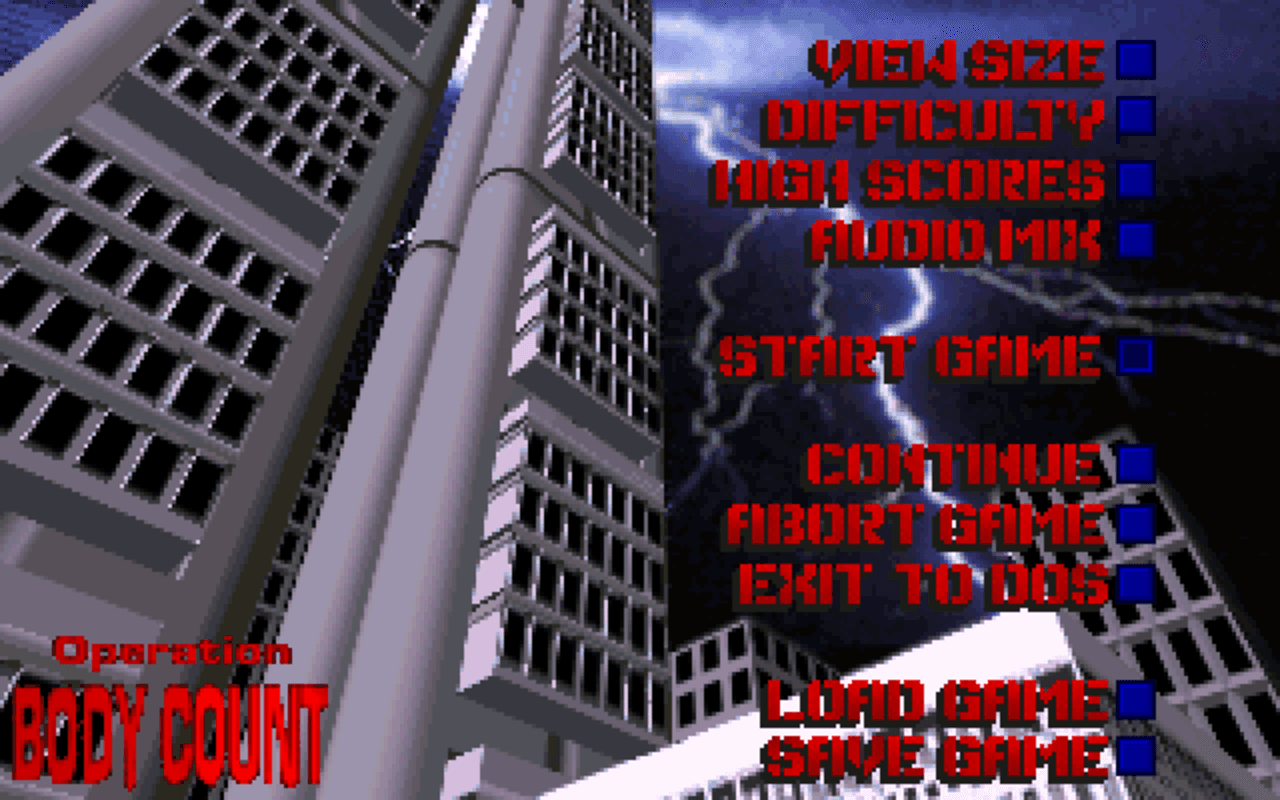
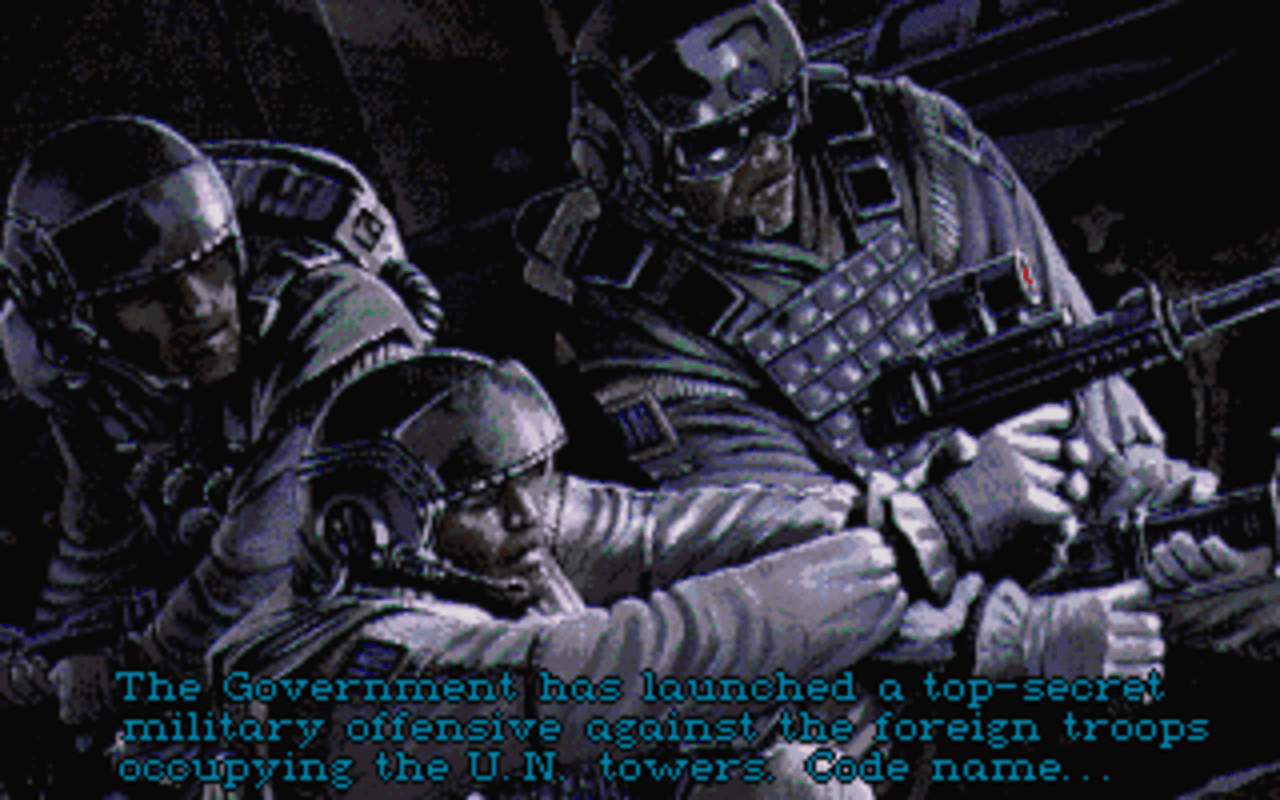
Operation Body Count is a 1994 first-person shooter published by Capstone Software, released during the fast-evolving DOS era when the genre was reinventing itself at high speed. Running on a modified Wolfenstein 3D-style engine, it keeps the snap and simplicity of early 3D shooters but wraps them in a clearer mission framework. Terrorists have seized the United Nations headquarters, world officials are trapped as hostages, and you’re sent in as part of a Government Assault Team to fight upward through the building until you reach the top floor and confront their leader, Victor.
The campaign feels distinctive because it’s structured like a climb rather than a sprawl. You begin beneath the complex in grim utility spaces and sewers, then break into the UN interior where corridors, offices, and guarded choke points become the main stage. Elevators and stairwells act like punctuation marks, turning each floor into a short chapter with its own risks and rewards. With forty stages on the way to the finale, the game keeps a steady sense of progress: clear the route, find the way up, and brace for what’s waiting on the next level.
Squad commands in Operation Body Count add welcome chaos
Operation Body Count tries to feel like an operation, not a solo tour. You can direct computer-controlled allies and even swap perspectives, which changes how firefights play out compared to many corridor shooters. One moment you’re using teammates to pressure a room from a second angle; the next you’re regrouping because a sudden rush of enemies turned your neat plan into noise and panic. The AI isn’t surgical, but the mere presence of a squad encourages smarter pacing, safer peeks, and occasional retreats that make victories feel earned rather than automatic.
Wolfenstein-speed gunplay, readable goals, and secret hunting
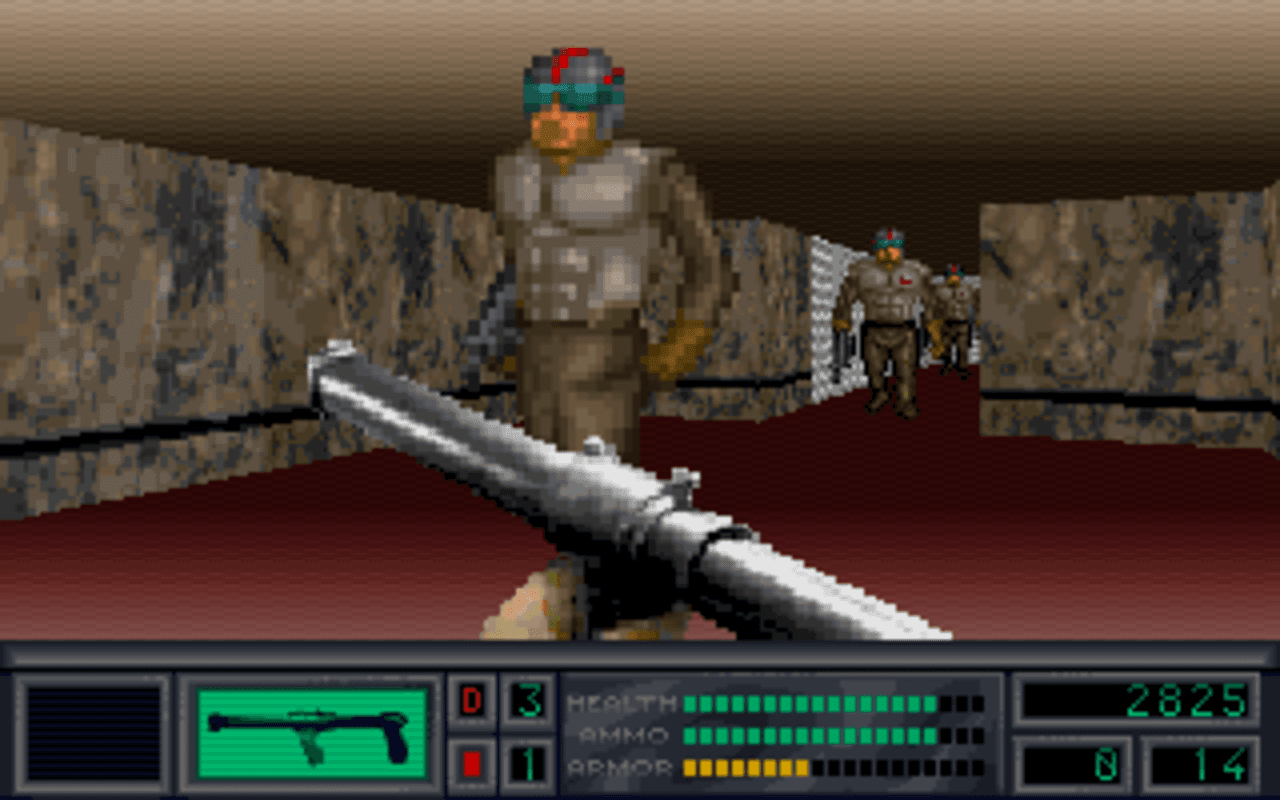
Moment to moment, the game is built for fast decisions. Doors snap open, enemies appear quickly, and survival often depends on clearing angles before you commit to a corridor. A mapping system helps you stay oriented, which matters once floors start branching into side areas with supplies and hidden pockets. That navigation layer gives the action a satisfying rhythm: push forward, re-check your bearings, then push again. It also rewards curiosity, because the best runs usually belong to players who explore just enough to stay stocked without losing momentum.
Operation Body Count atmosphere: tight halls, loud stakes
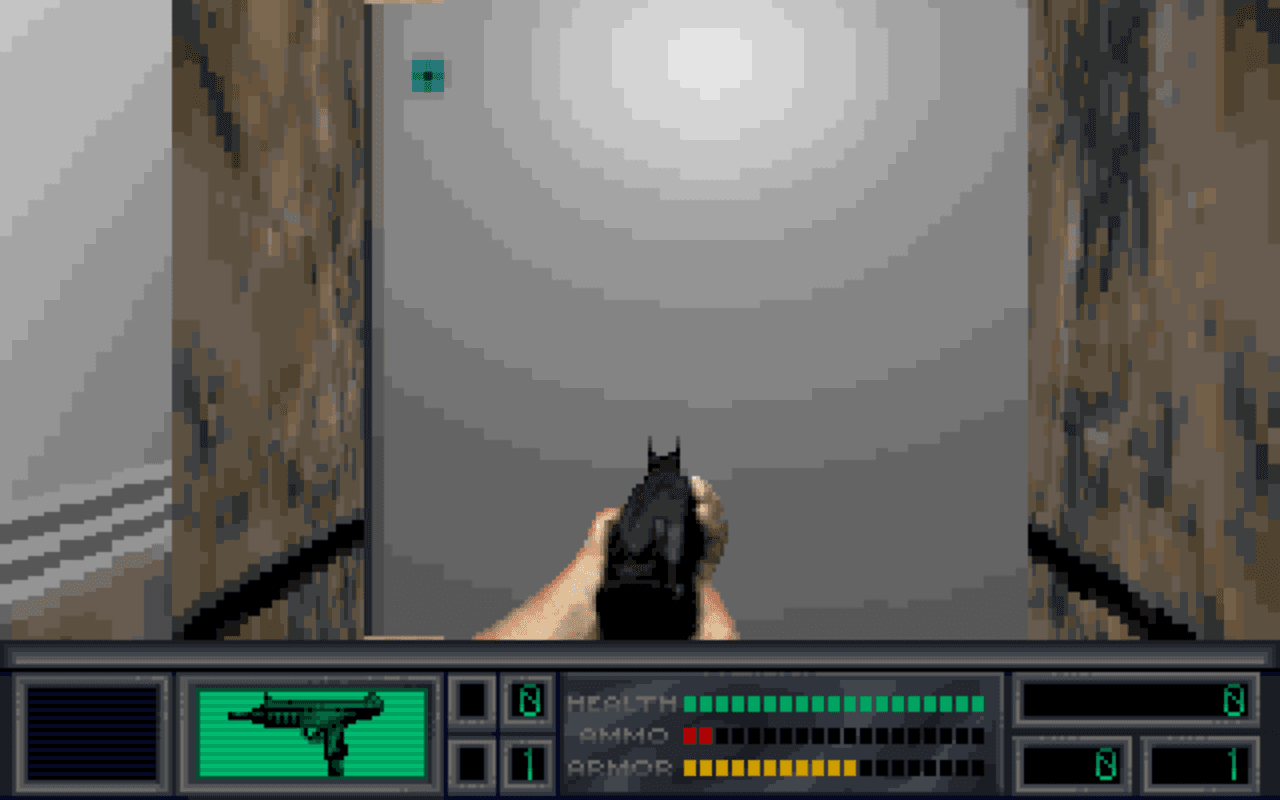
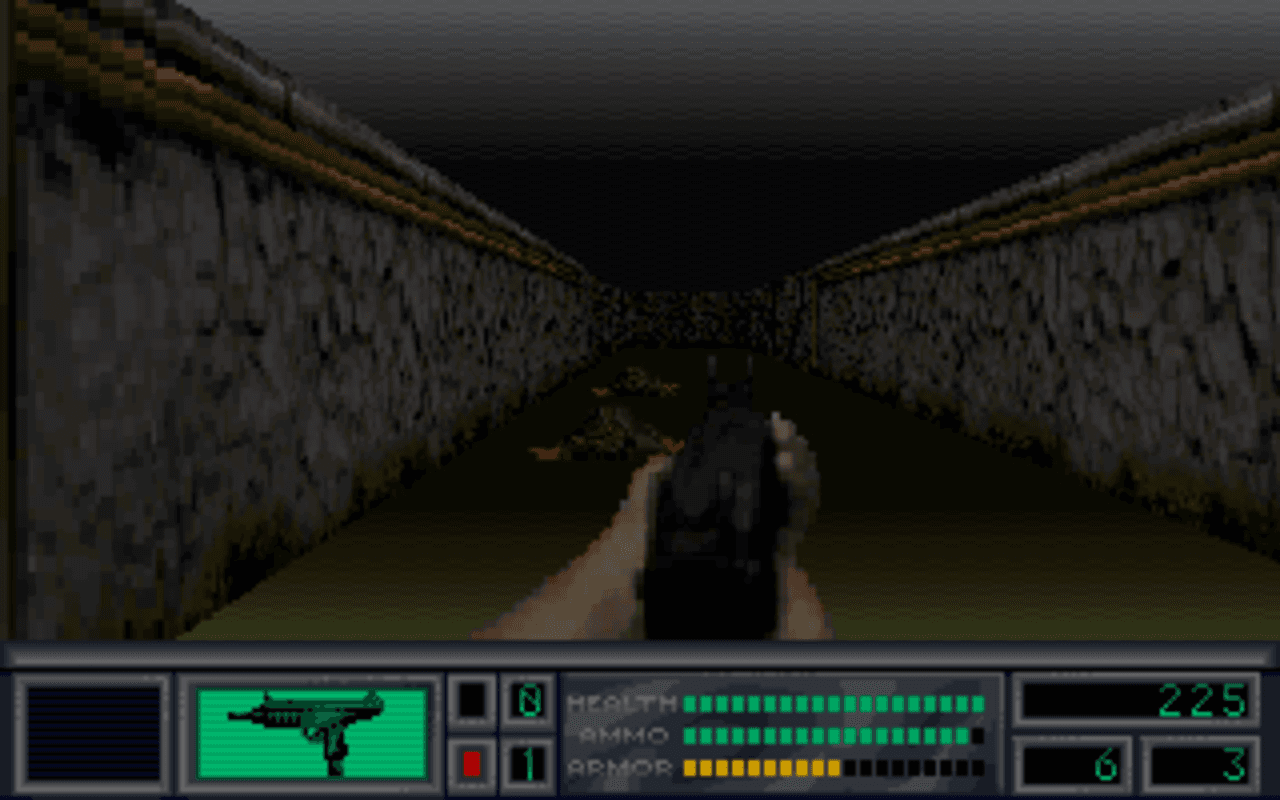
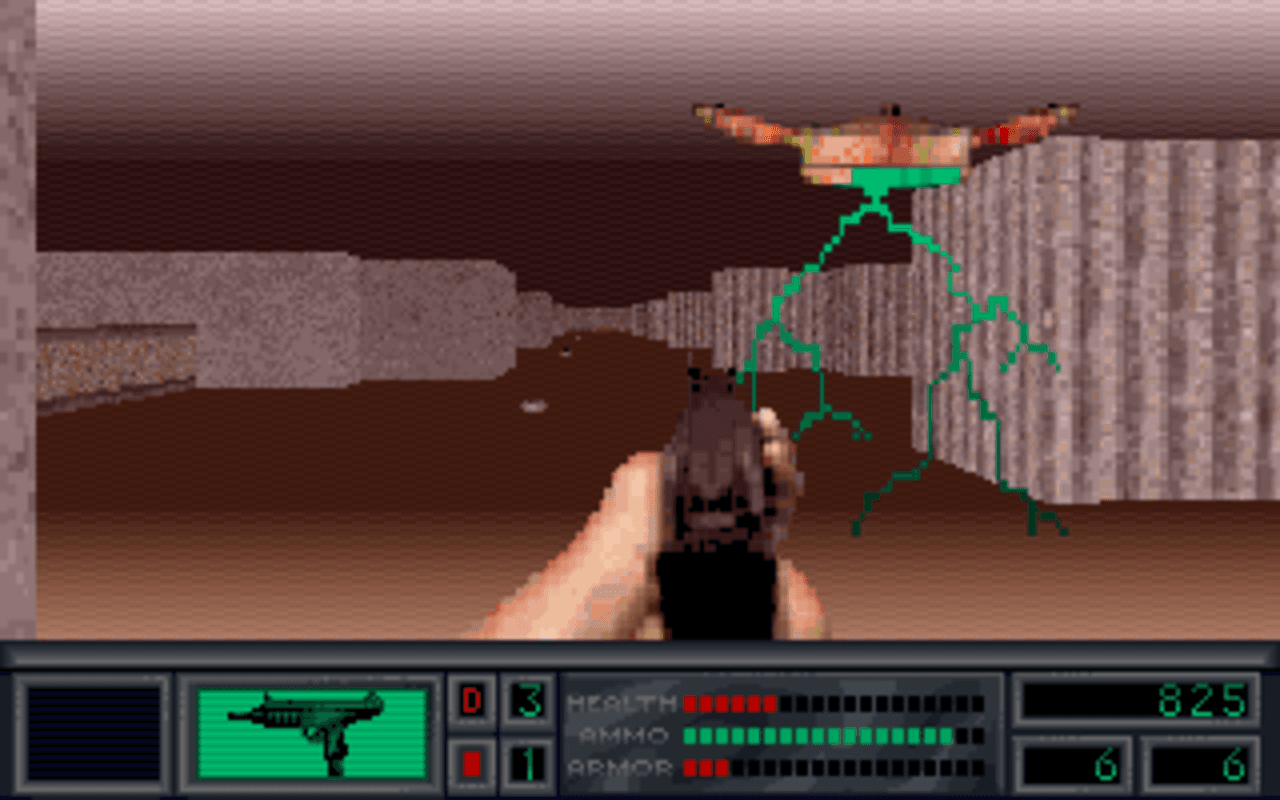
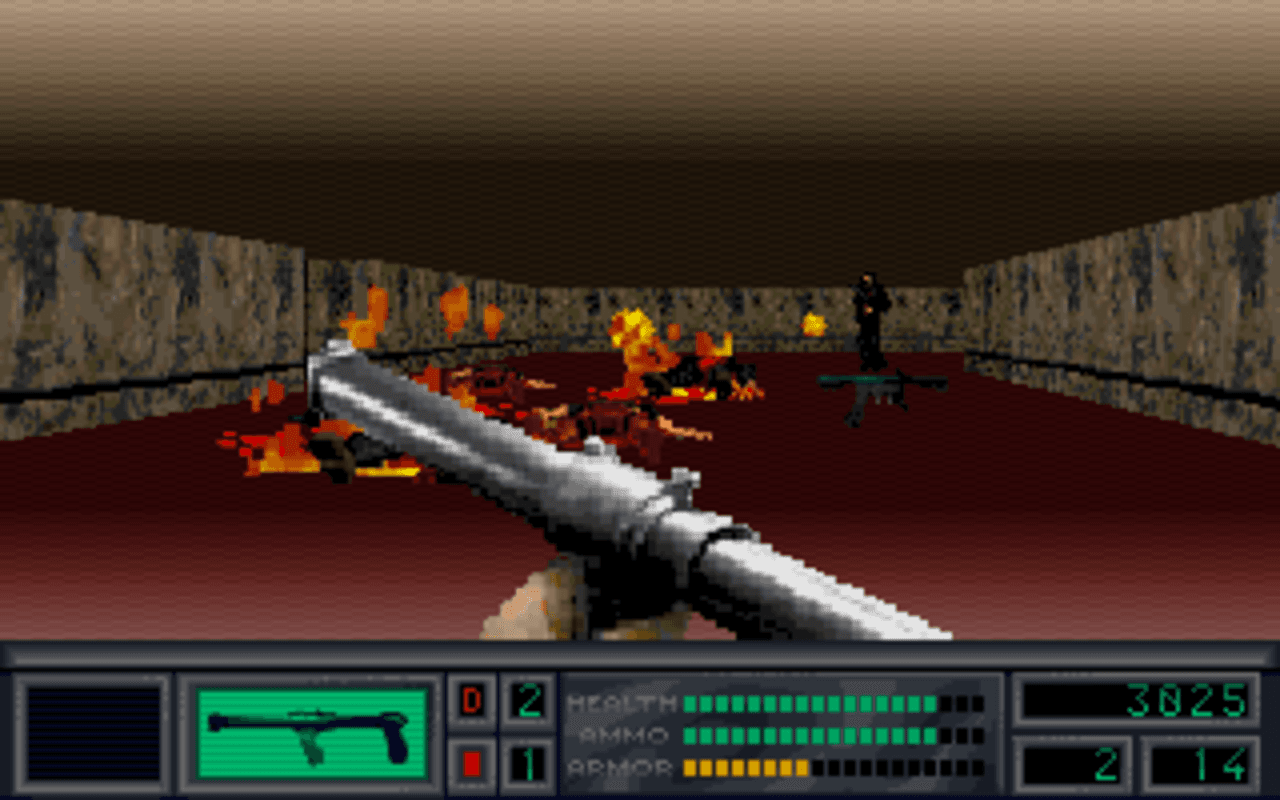
Despite its blocky visuals, the game sells urgency through space. Narrow office hallways force close-range reactions, while larger rooms tempt you into overconfidence until enemies pour through doors you forgot to watch. The story context—an international building under siege—gives even simple key hunts an extra edge, because every successful floor feels like another step toward ending the crisis. It’s not a horror game, but it does understand tension: darkness, sudden contact, and that constant sense that the safest route is rarely the quickest.
Play Operation Body Count online and take the fight anywhere
Operation Body Count fits modern play habits better than you might expect. You can play Operation Body Count online free in a browser, keep going without restrictions, and even dive in on mobile devices when you want a quick hit of classic FPS pace. The objectives translate cleanly to short sessions—survive, climb, and break the siege—while the brisk flow also supports longer marathons where you chase cleaner clears, better routes, and tighter resource use. Playing online keeps the spotlight on the firefights and that satisfying upward push, not on setup.
Weapons, pressure, and the long climb to Victor
The arsenal is designed for forward motion, with rapid-fire options for corridor control and heavier answers for moments when you need to win space immediately. Because levels love to funnel you into tight turns and sudden contact, the “best” weapon is often the one that matches your confidence about the next corner. As you rise, the game leans harder into its central promise: you’re closing in on a specific enemy, not just surviving another maze. When the final floor arrives and Victor steps into view, the simple story pays off with a clean, old-school boss showdown.
Multiplayer energy and why the game still feels distinct
Alongside its single-player climb, Operation Body Count also includes multiplayer, which underlines its loud, competitive streak. Even if you primarily play alone, that feature helps explain the game’s tempo: quick routes, sharp corners, and an emphasis on keeping action moving. It’s less fluid than Doom and less iconic than Wolfenstein 3D, yet it keeps tossing in ideas—squad management, clearer mission stakes, and a building that feels layered instead of endlessly flat. That mix gives it a personality that still stands out in a crowd of DOS shooters built from similar tech.
Operation Body Count plays like a lean action thriller you can revisit whenever you want fast shooting with a straightforward rescue premise. If you’re hunting for a classic game to play online, it offers quick floors, tense indoor combat, and just enough tactical flavor to stand apart from many contemporaries. For controls, move and turn with the keyboard, use your fire key to shoot, interact with doors or switches as you approach them, and swap weapons with number keys; many versions let you adjust bindings to taste.
All used codes are publicly available, and Operation Body Count belongs to its original authors.