Star Wars Chess Turns a Classic Game Galactic
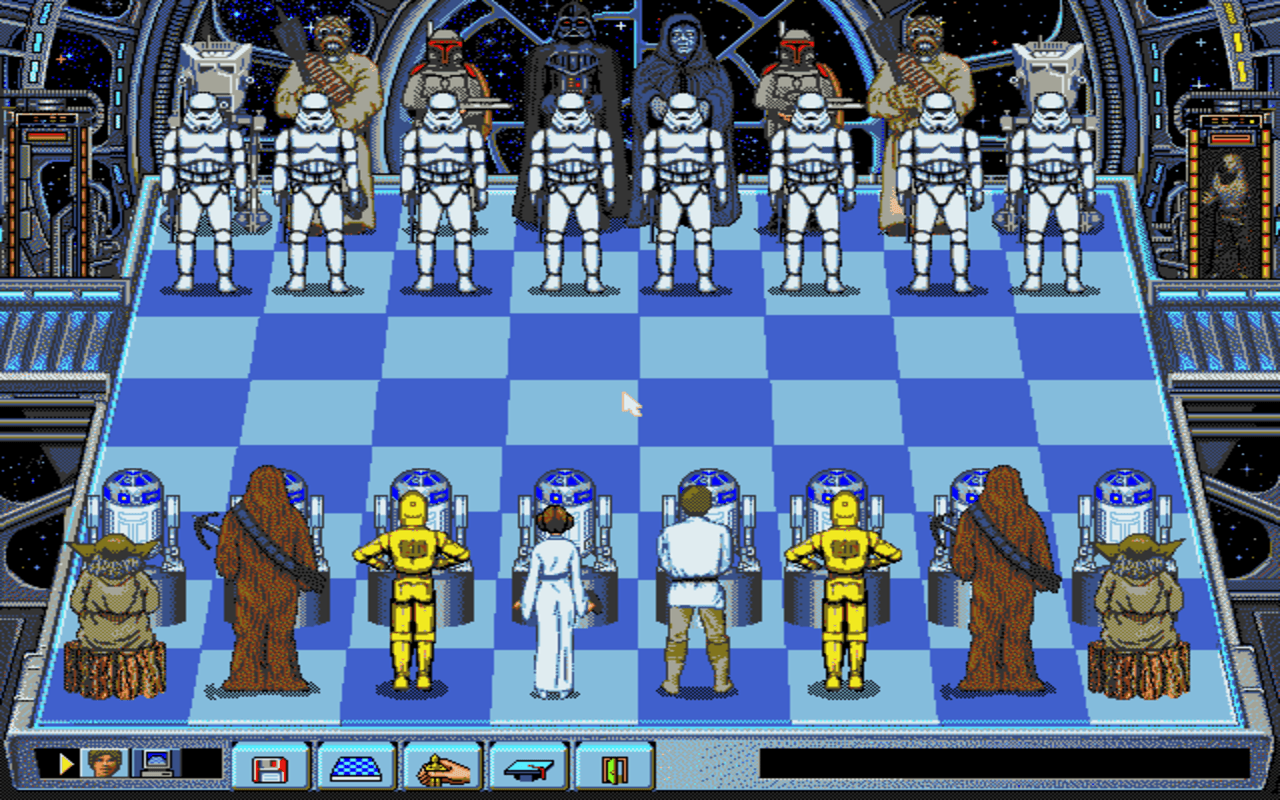
Star Wars Chess arrived in the early 1990s, when licensed PC games were experimenting with how to transform well-known worlds into interactive toys without discarding the rules that made the original pastime timeless. Published by Software Toolworks and built around the evergreen logic of chess, this game doesn’t try to reinvent the board; instead, it dresses it in a galaxy-far-far-away costume and leans hard into the fantasy that every piece is a character with personality. The result is a curious blend of serious turn-based thinking and playful spectacle, where a cautious pawn push can eventually trigger a dramatic clash worthy of a movie trailer.
What makes Star Wars Chess instantly readable is that it respects the player’s existing knowledge. If you know how bishops glide and knights hop, you already understand the system. The surprise is how quickly the theme reshapes your attention. You’re no longer trading abstract material; you’re arranging iconic figures into skirmish-ready formations, coaxing traps, and setting up captures that feel like miniature set pieces. That thematic layer doesn’t change the mathematics of the game, but it changes how it feels to play, and that’s the whole point.
Cinematic Captures That Make Every Move Feel Like Action
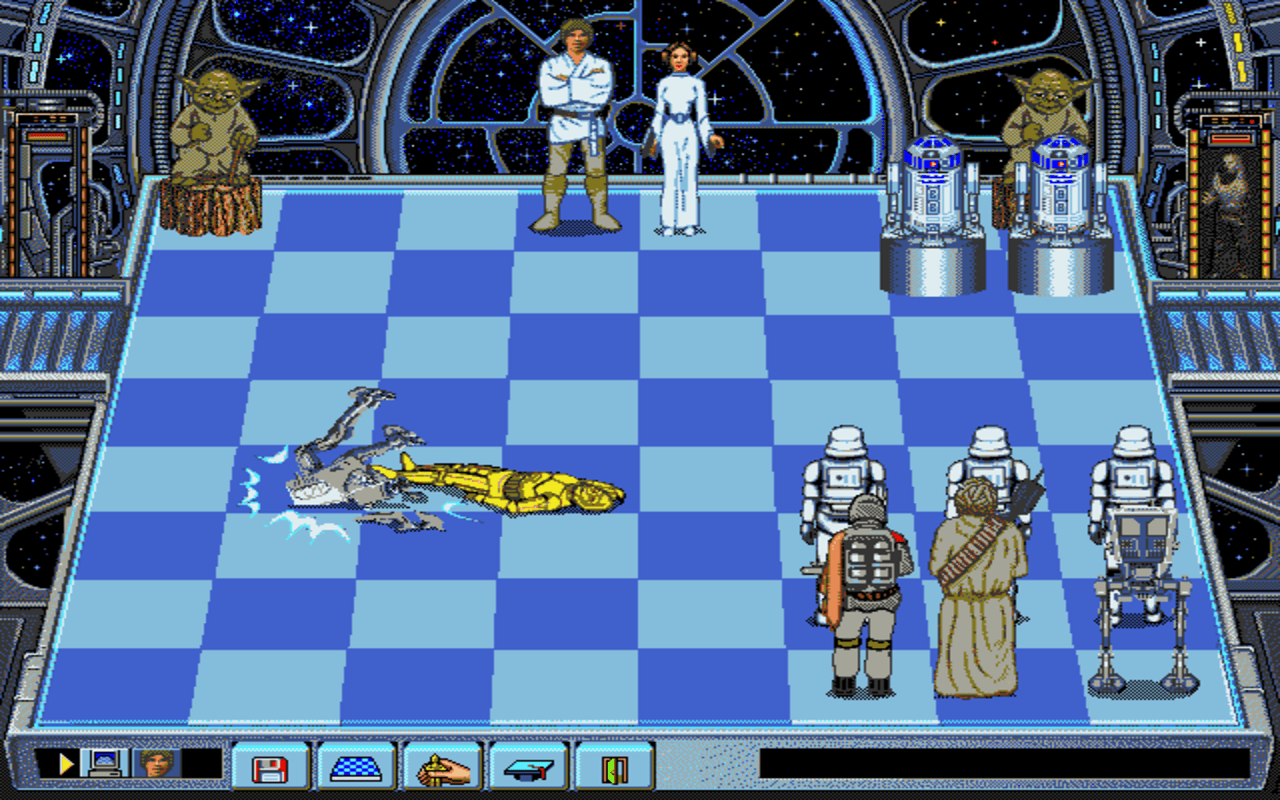
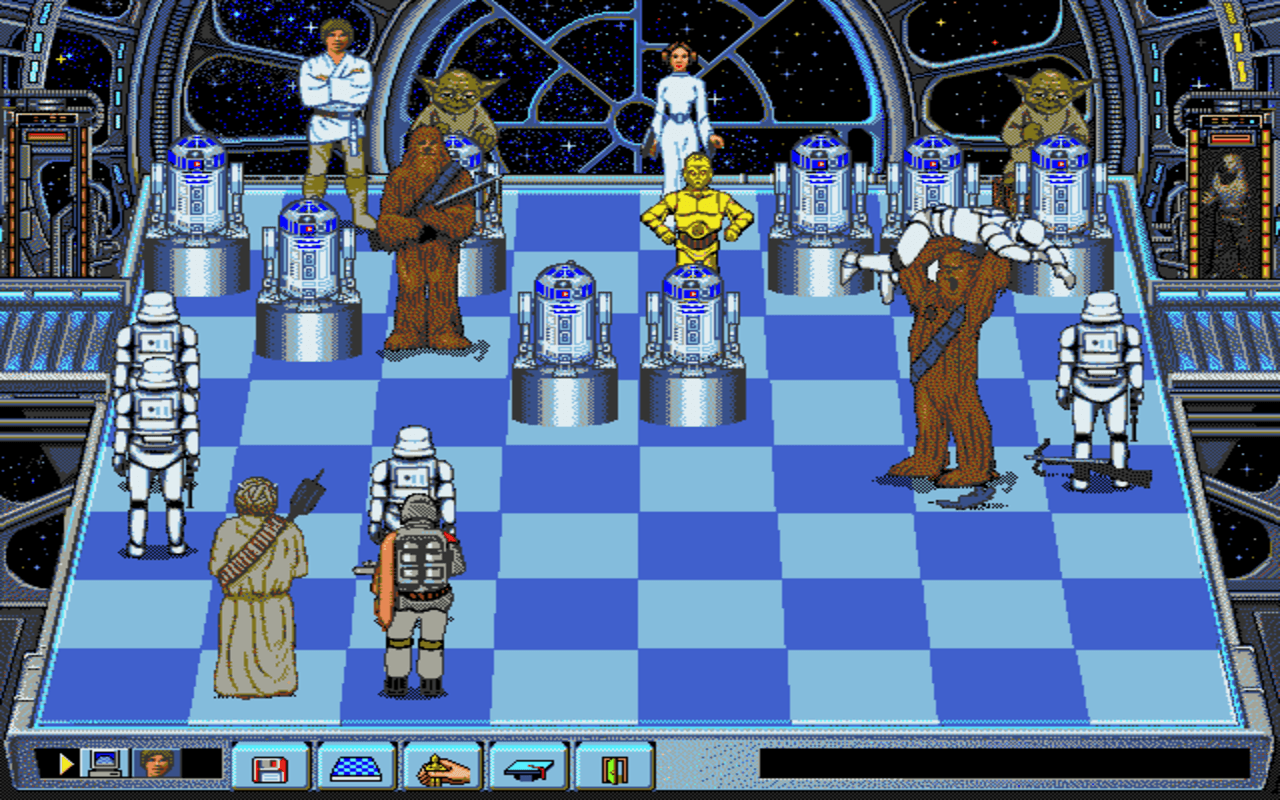
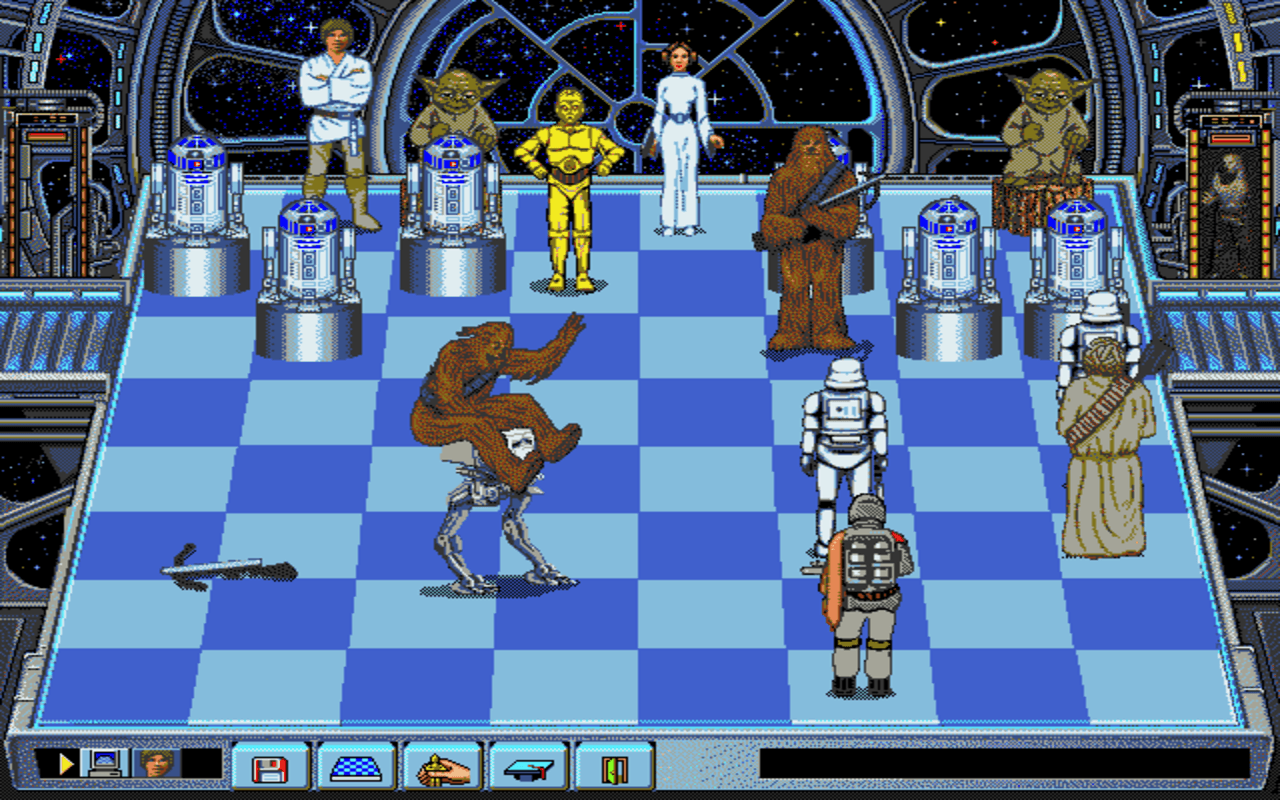
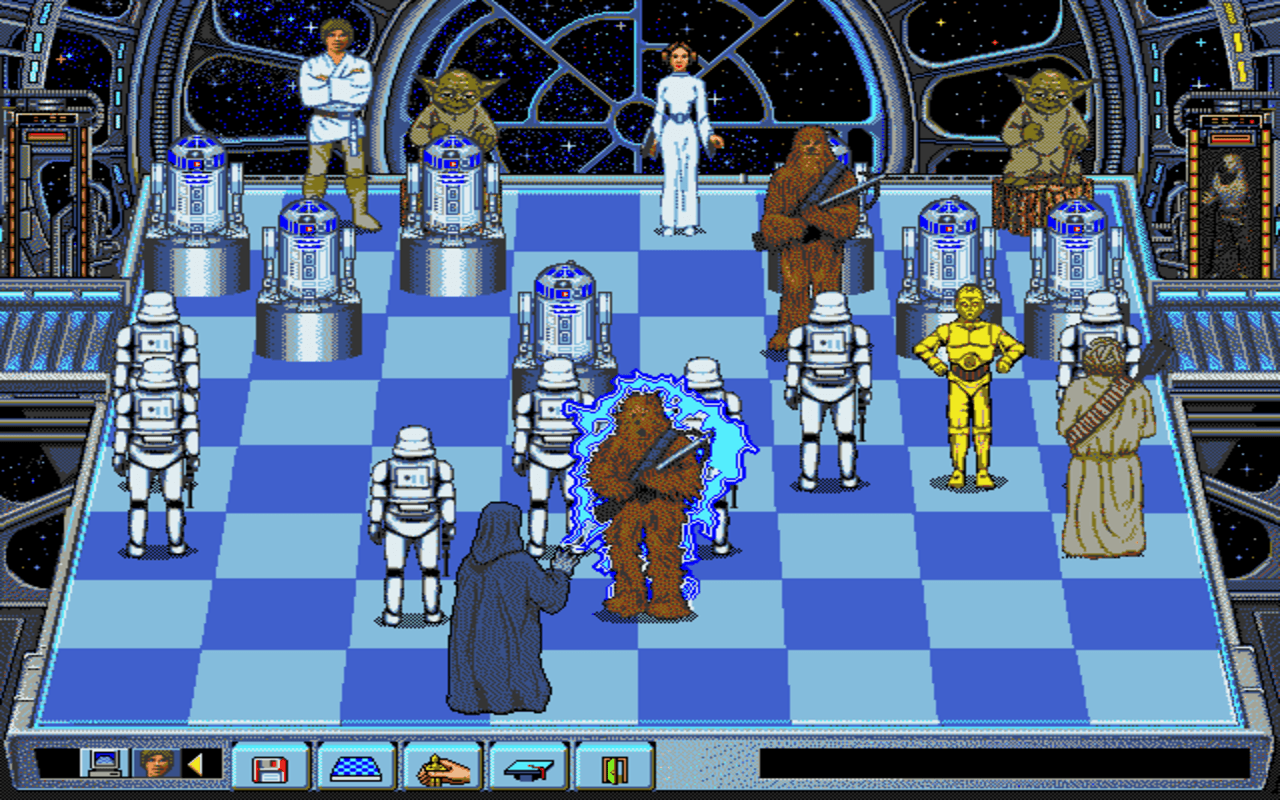
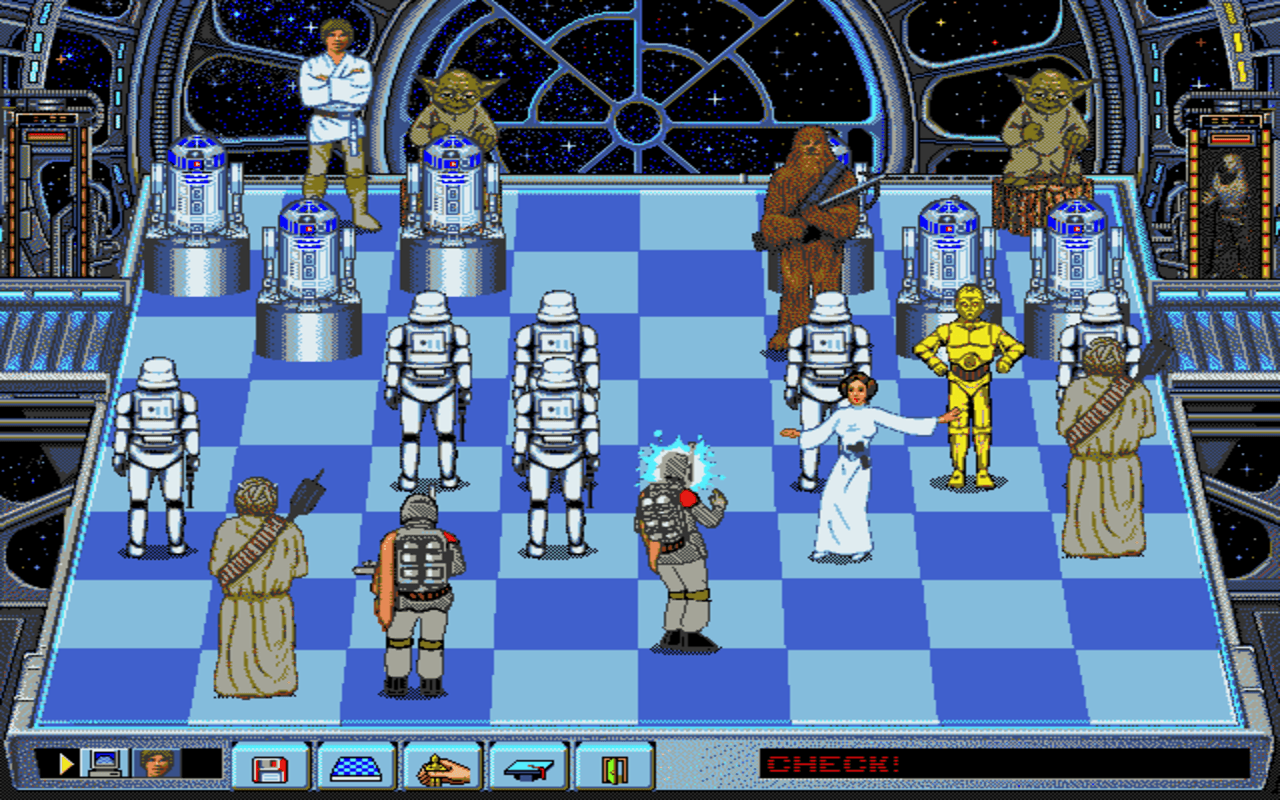
The signature hook is what happens when one piece takes another. Instead of a silent removal, the game punctuates the capture with an animated confrontation, turning the exchange into a brief, visual “duel.” It’s a simple idea with a surprisingly strong psychological effect: you begin to anticipate exchanges not only for tactical advantage, but for the payoff of seeing the characters collide. In practical terms, that means the game becomes an easy crowd-pleaser even for people who don’t obsess over openings. A spectator can understand “that piece was taken,” and the animation supplies instant drama.
This is also where Star Wars Chess separates itself from plain digital chess programs. Many chess titles focus on analysis tools, notation, and austere boards. Here, the board is a stage. The animations encourage a playful rhythm—poke, provoke, capture, watch the show, then return to quiet calculation. For purists, that theatrical loop can feel like decoration. For everyone else, it’s the bridge that turns a traditional strategy game into something closer to interactive Star Wars memorabilia you can actually think with.
A Star Wars Board That Rewards Both Beginners and Tacticians
Under the theme, you’ll find a straightforward chess experience: turns alternate, positional ideas matter, and the usual concepts—development, king safety, forks, pins, and endgame technique—still decide the match. Because the rules are unchanged, the game naturally supports two kinds of enjoyment. If you’re new, it’s an inviting way to learn because the theme makes the pieces memorable and the battles give you a clear sense of consequence. If you’re experienced, it becomes a casual “chess night” alternative, less about tournament seriousness and more about enjoying the flow of a recognizable mind sport.
The computer opponent and difficulty feel like a product of its era: good enough to provide resistance and entertainment, not so clinical that every mistake is punished with machine precision. That balance can be a feature, not a flaw, depending on what you want. Star Wars Chess works best when you treat it like an approachable strategy game you can play repeatedly, gradually sharpening your instincts while enjoying the presentation. It’s not trying to replace modern engines; it’s trying to make chess feel like an adventure vignette.
Play Star Wars Chess online for instant cinematic matches
Because the core is turn-based and the rules are universal, Star Wars Chess adapts neatly to modern ways people like to play classic PC titles. You can play Star Wars Chess online free in a browser, and it translates well to mobile devices without restrictions, since the pace is measured and each move is a deliberate tap or click rather than a reflex test. That accessibility fits the design: you can step into a match for a few minutes, come back for another game later, and still feel like you experienced a complete little story of feints, trades, and checkmates.
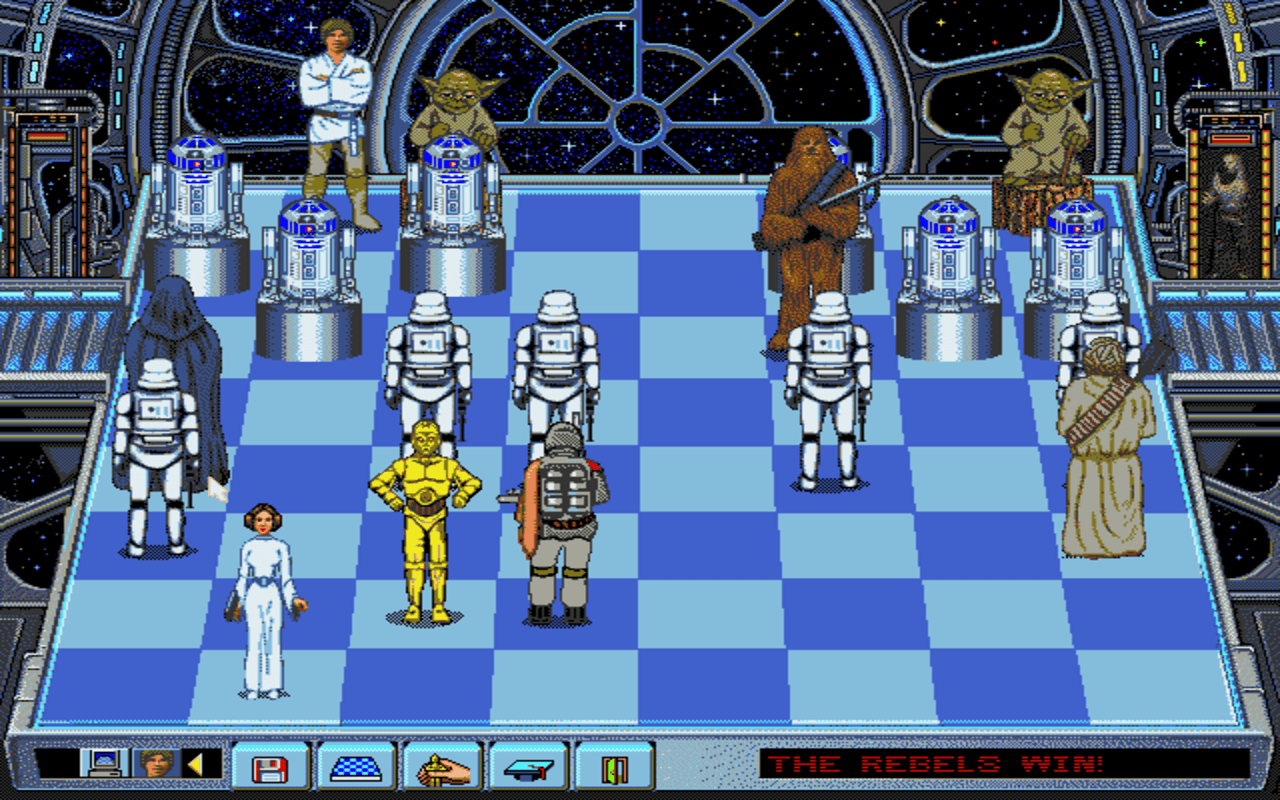
Playing online also highlights why the theme works socially. Even if both players understand chess, the Star Wars coat of paint adds conversation and personality to otherwise familiar positions. A simple exchange sacrifice suddenly looks like a bold “movie move,” and a cautious endgame becomes a tense standoff. The game’s best moments often happen when the board is nearly empty and every capture is loaded with meaning, because the animation turns the final trades into a dramatic curtain call.
Sound, Style, and the Joy of a Playable Collectible
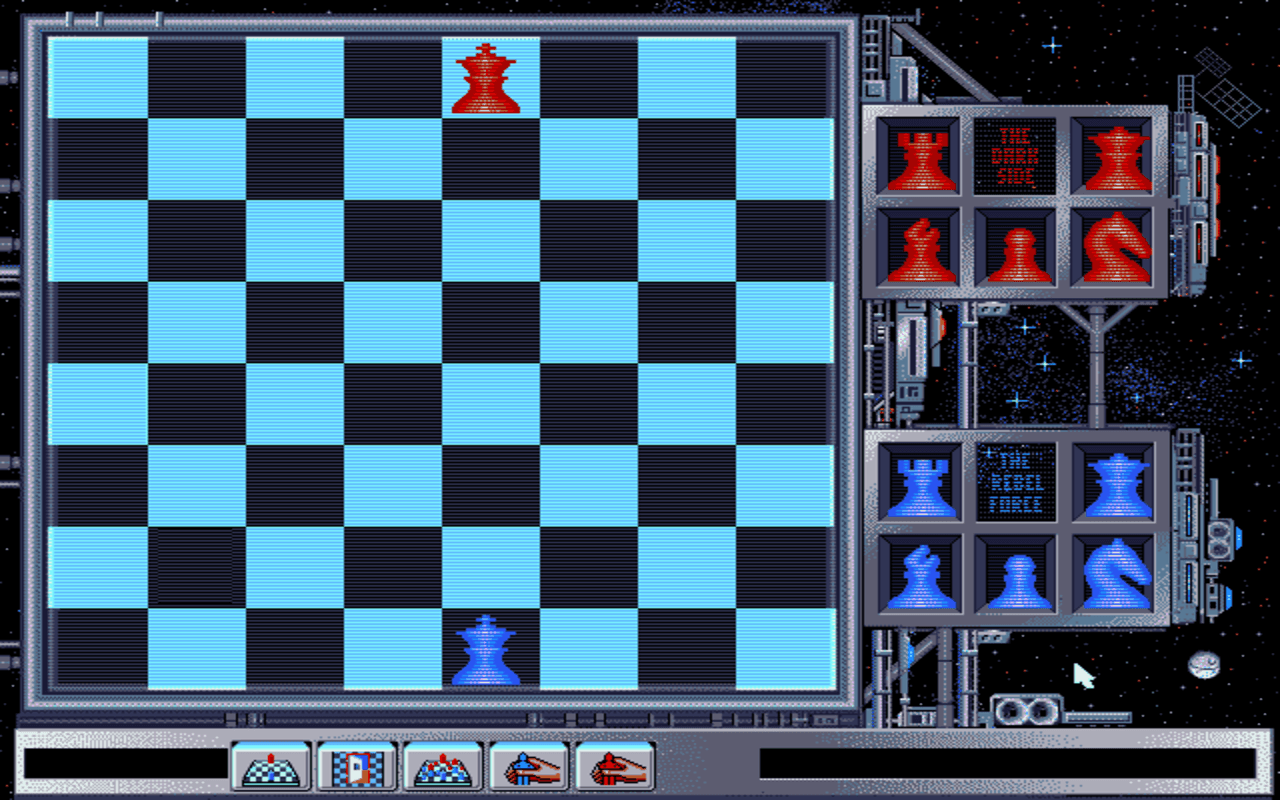
Presentation is where this game earns its lasting charm. The interface aims for clarity first—because chess demands it—while still sprinkling in sci-fi flair through visuals and audio. The overall sensation is less “simulation” and more “toy box,” like a collectible set that came alive. That matters because many licensed games age poorly when their mechanics are thin, but chess is mechanically immortal. Here, the theme can date in resolution and art style, yet the underlying contest remains as fresh as it was centuries ago.
There’s also a subtle benefit to the animated approach: it makes trades feel weighty. In plain chess software, players sometimes swap pieces rapidly, almost mechanically. Star Wars Chess slows your impulse slightly, because each capture is a moment. That tiny pause nudges you toward considering whether the exchange is truly worth it. It’s not a training program, but it does encourage mindfulness—an underrated virtue in any strategy game.
Lasting Appeal: A Familiar Puzzle Wearing a Legendary Skin
Star Wars Chess endures because it doesn’t rely on trends, complicated controls, or era-specific gimmicks. It relies on chess, one of the most resilient games ever made, and then adds a layer of Star Wars flavor that makes matches feel playful even when the position is tense. If you want a classic DOS strategy experience that’s easy to understand, satisfying to replay, and fun to share, this one still fits the bill. It’s the kind of game you can return to when you want your tactics served with a little spectacle.
Star Wars Chess is best enjoyed as a lighthearted, animated take on a timeless board game: it keeps the rules pure, adds cinematic captures, and invites repeat play whether you’re learning or just relaxing. Controls are simple: choose a piece, select a legal destination square, and let the turn-based flow do the rest, with optional settings to shape the pace and challenge.
All used codes are publicly available, and the game belongs to its original authors.