Broderbund’s Age-of-Sail Strategy in The Ancient Art of War at Sea
Broderbund’s The Ancient Art of War at Sea arrived as a confident twist on computer wargames, shifting the series’ real-time thinking from land campaigns to the unpredictable geometry of the ocean. It’s set in the era of fighting sail, where “speed” is never a simple stat and every advantage is negotiated with the wind. The result feels refreshingly physical for a strategy game: you’re not just choosing battles, you’re trying to arrive at them with the right angle, the right momentum, and ships that can still answer the helm.
What makes the experience stick is how naturally it turns naval history into playable drama. Fleets look powerful until they’re forced to tack; a confident chase becomes a blunder when the breeze shifts; and a smaller force can feel enormous if it holds the weather gauge at the perfect moment. The Ancient Art of War at Sea doesn’t need modern spectacle to feel cinematic, because the spectacle comes from decisions colliding with weather, distance, and discipline.
Wind, Ports, and the Campaign Map in The Ancient Art of War at Sea
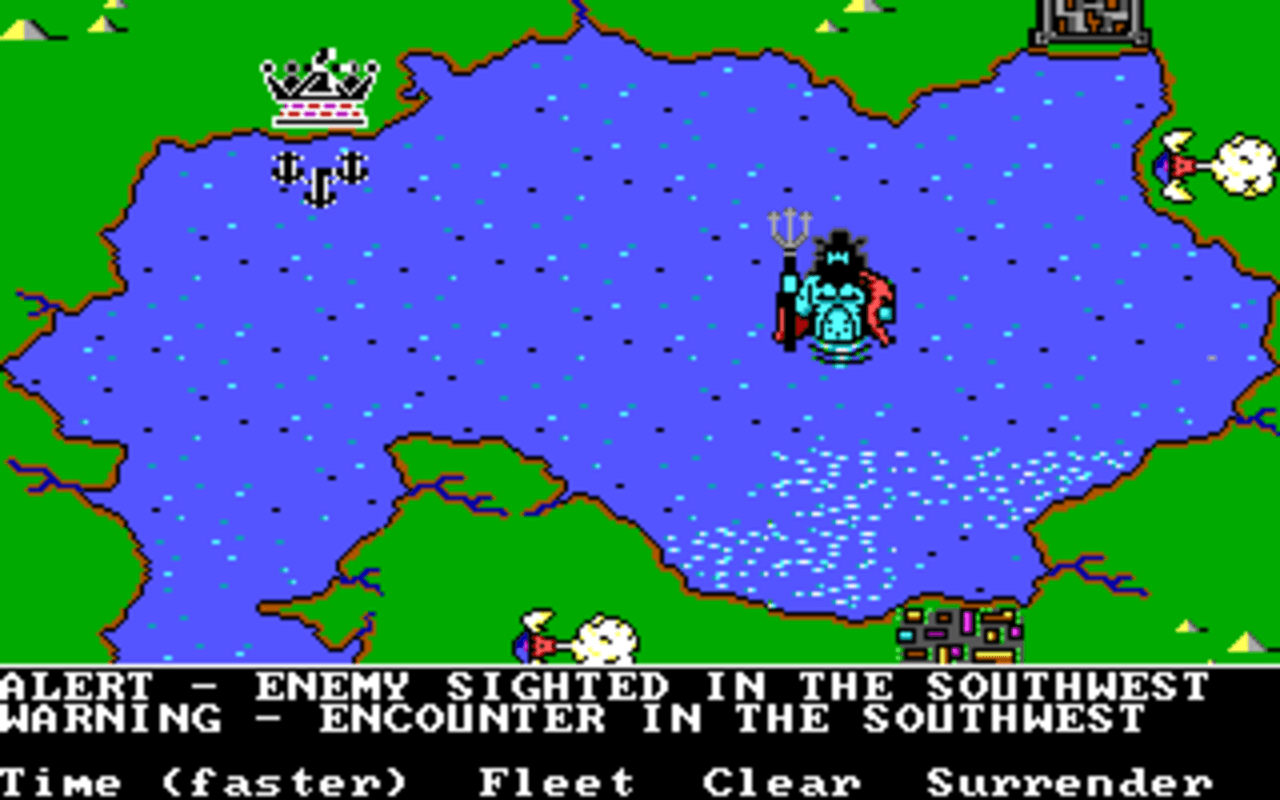
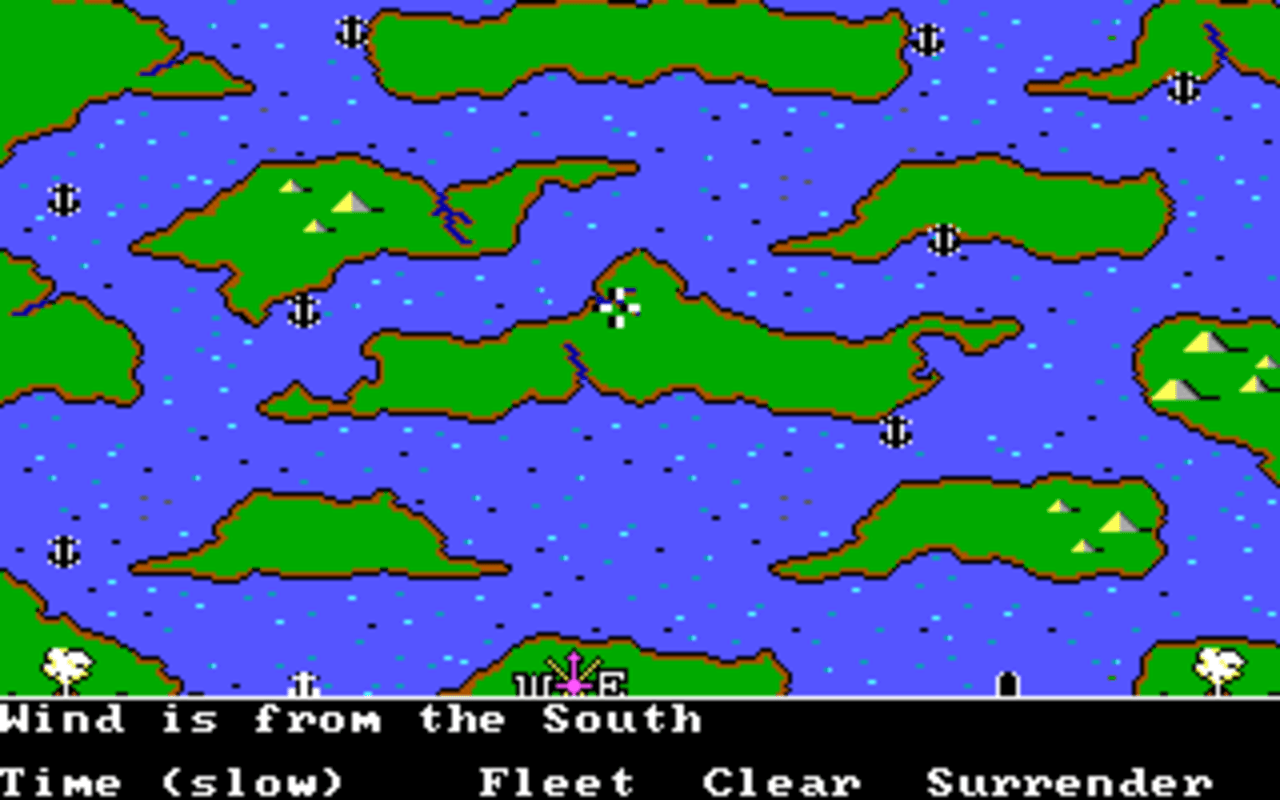
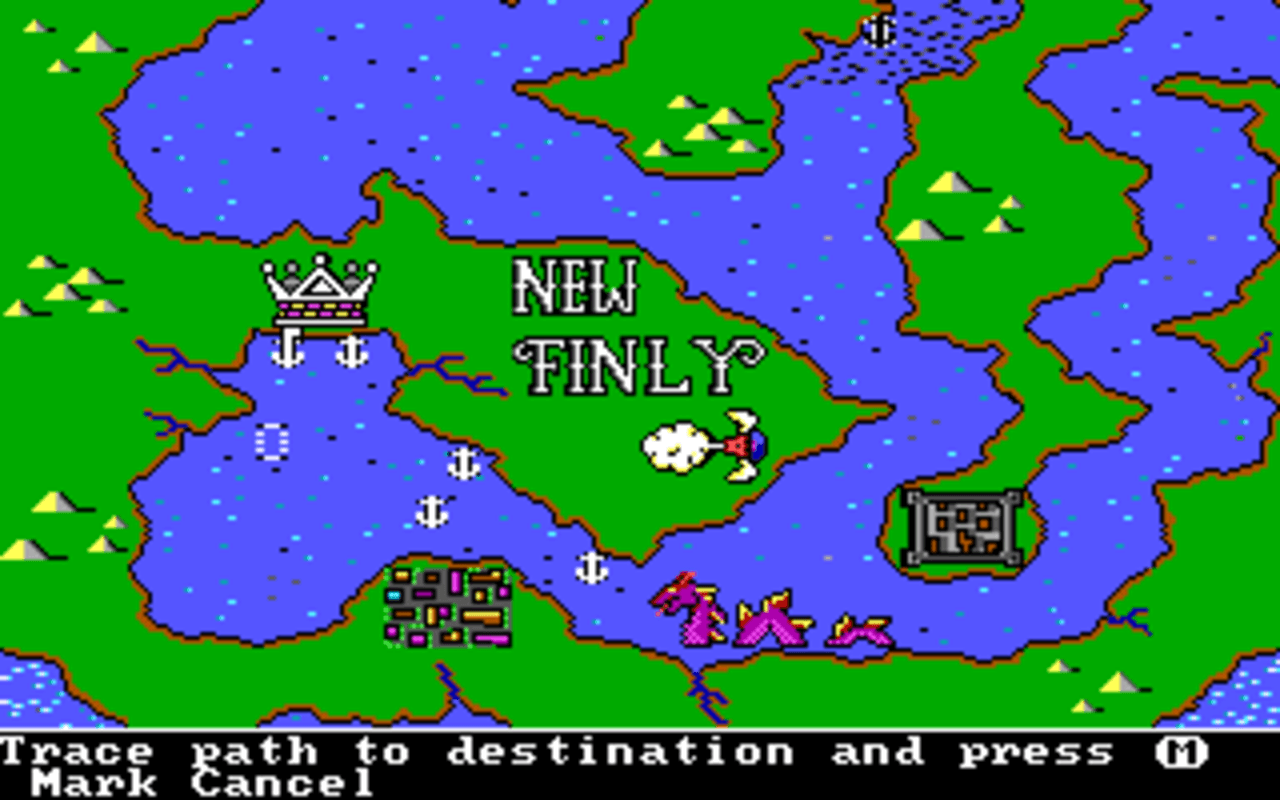
The campaign layer begins on a scrolling map of sea lanes, coastlines, hazards, ports, and objectives. You organize ships into squadrons, plot routes, and decide what kind of admiral you want to be: the patient defender guarding vital routes, the raider hunting soft targets, or the gambler who sails straight toward the enemy’s heart. Even before cannons speak, the game is already testing you, because movement itself is a weapon. With the wind behind you, you can dictate tempo; against it, you may be forced into awkward turns that hand initiative to your opponent.
The map view also makes you think like a commander instead of a duelist. Damaged vessels need relief, ports become strategic anchors, and timing matters because you can’t be everywhere at once. The pacing supports that mindset: long crossings can be sped up, then slowed down again when fleets approach contact and every mile suddenly feels dangerous. By the time two squadrons finally meet, the fight already has context—why you’re there, what you’re risking, and what you can’t afford to lose.
Broadsides and Boarding: Close Combat in The Ancient Art of War at Sea
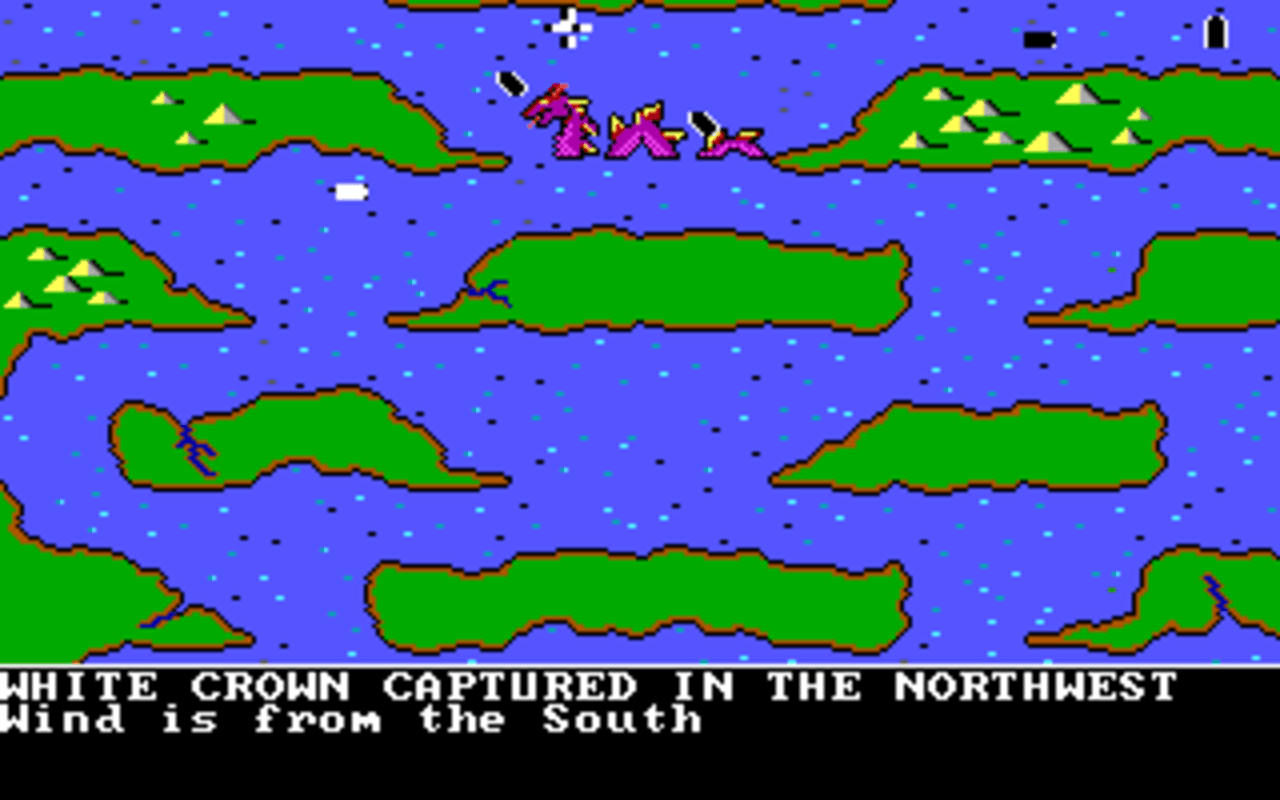
When icons collide, The Ancient Art of War at Sea shifts into real-time ship combat, and the choices become satisfyingly hands-on. You manage headings and sail settings to control speed and turning, trying to place your hull where it can deliver damage while avoiding the enemy’s best firing arcs. This is not a game of mindless volleys. A broadside is a commitment: guns fire from one side at a time, crews need time to reload, and shifting your weight from port to starboard takes precious moments you may not have.
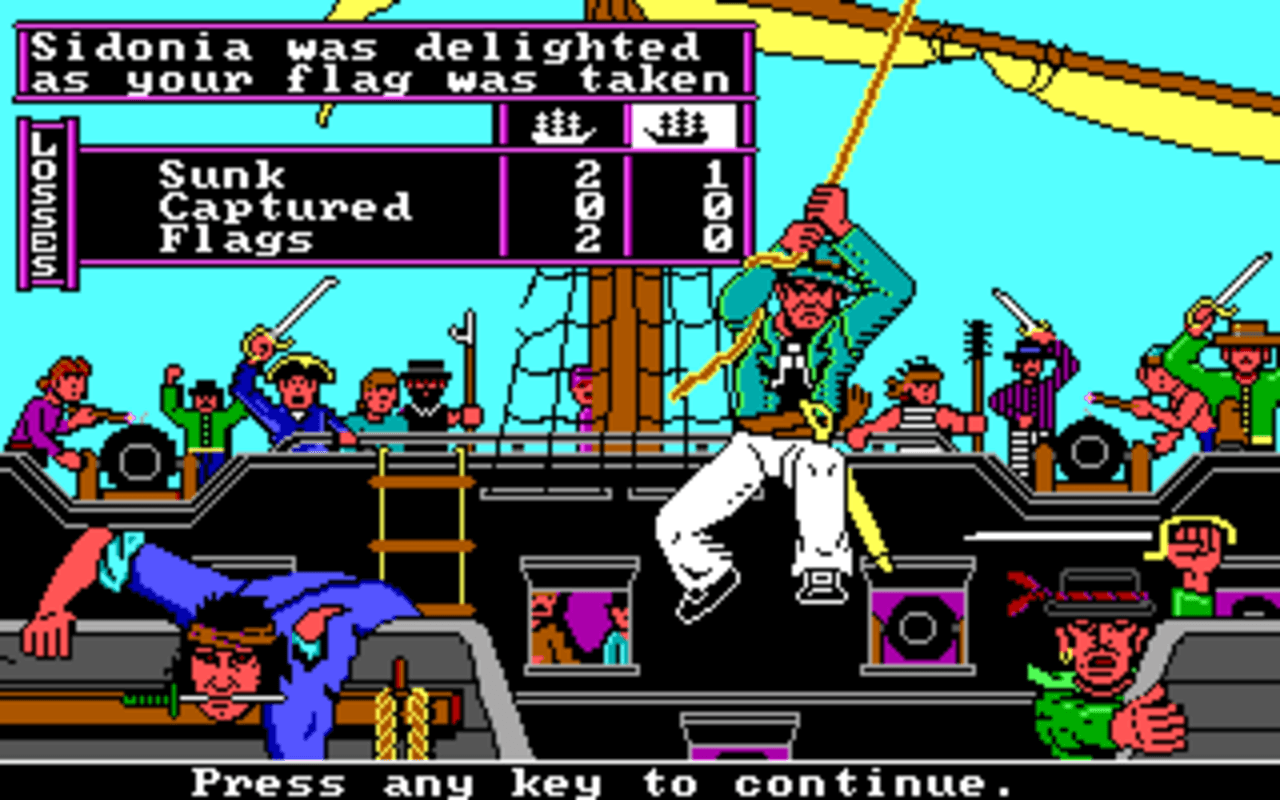
Damage feels meaningful because it changes what a ship can do. A torn sail plan doesn’t just “cost health,” it costs options, and suddenly the enemy can circle you like a predator. Then there’s boarding—one of the game’s most dramatic gear shifts. When ships grapple, the battle can turn into a desperate contest for the deck, transforming a measured gunnery duel into a risky, decisive scramble. Boarding is tempting because it can end a fight quickly, but it’s also the kind of choice that punishes impatience; commit at the wrong moment and you can throw away a winning position in seconds.
Play The Ancient Art of War at Sea online
The design of this classic fits modern play habits surprisingly well. You can play The Ancient Art of War at Sea online free, in a browser, and on mobile devices without restrictions, which makes it easy to jump into a single scenario for a focused tactical challenge or settle in for a longer evening of planning and pursuit. Because the game rewards judgment more than reflexes, the core experience holds up across different screen sizes: read the wind, anticipate angles, and choose when to press and when to disengage.
Playing online also highlights why the game stays timeless. Wind direction never stops mattering. Geography never stops shaping outcomes. And the psychological push-and-pull—baiting an aggressive commander into a bad approach, or refusing a fight until you hold the advantage—never grows stale. Whether you approach it as a thoughtful wargame or as a dramatic strategy game about daring captains and cannon smoke, its best moments still come from clear decisions and visible consequences.
Scenarios, Admirals, and Custom Battles That Keep You Playing
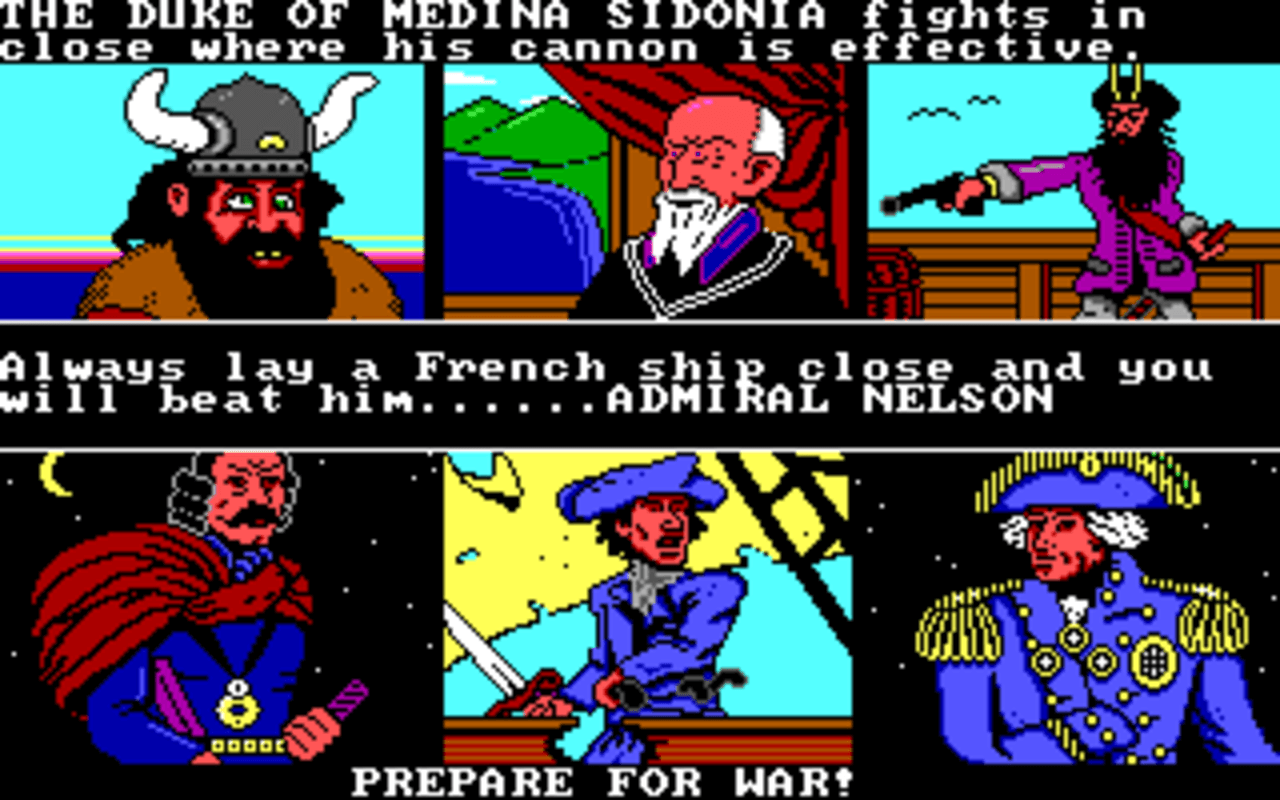
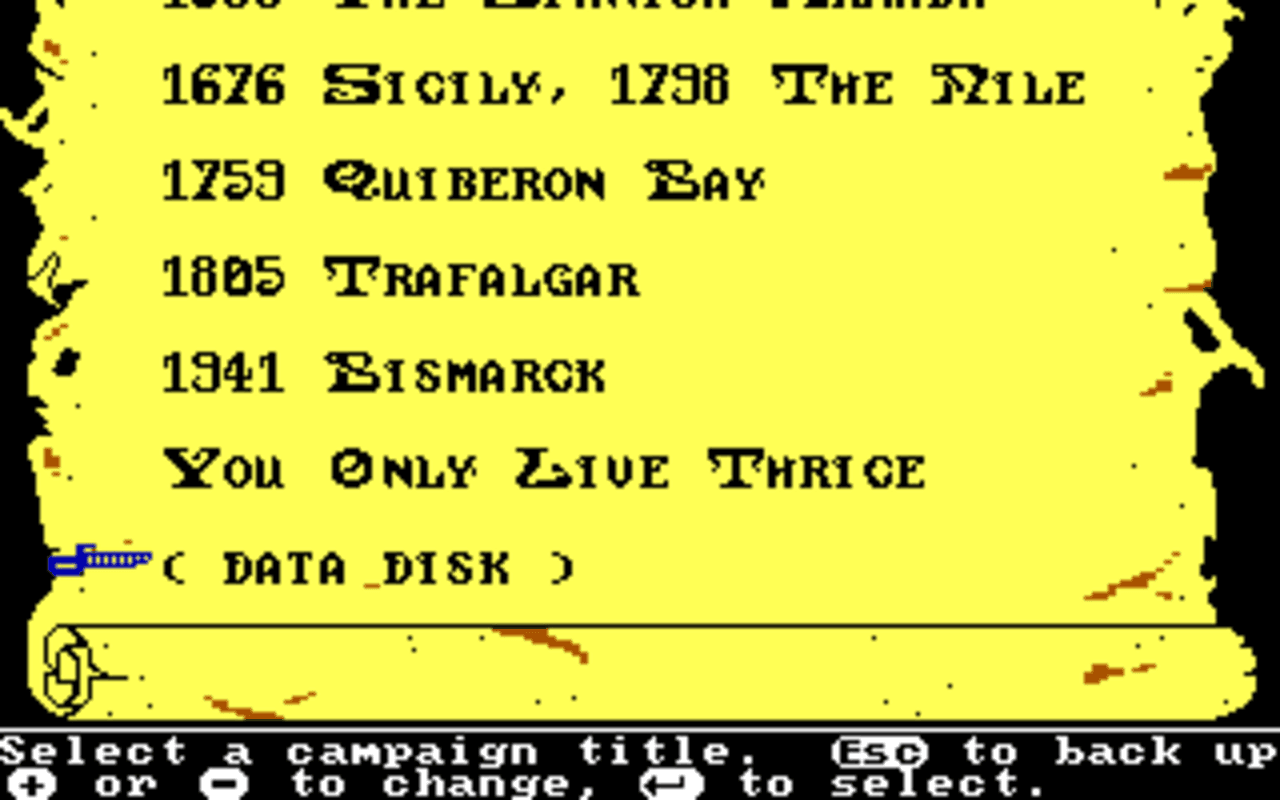
Part of the lasting appeal is variety. The Ancient Art of War at Sea blends scenarios inspired by well-known naval conflicts with imaginative matchups that tilt the odds and force improvisation. Enemy commanders also have distinct tendencies, which means the opposition feels less like a random number generator and more like a personality you can study, predict, and occasionally outwit.
When the built-in battles stop surprising you, the game’s designer tools keep the sea open. Creating your own map, placing fleets, and framing the mission lets you test “what if” ideas that naturally grow out of play: can a smaller force win by defending choke points, can raiding supply routes matter more than chasing a flagship, can you engineer a battle where wind direction is the real boss? That mix of authored scenarios and player-made challenges is why the game remains easy to revisit: it’s not just something you finish, it’s something you return to and rethink.
The Ancient Art of War at Sea is ocean chess with splinters—grand planning up top, tense maneuvering up close, and constant pressure from the wind. To control the game, you typically select squadrons and options from its menus, set courses on the campaign map (adjusting time speed as needed), then in battle steer with headings and sail choices, fire broadsides when a side is ready, and commit to grappling or boarding only when the situation truly favors you.
All used codes are publicly available and the game belongs to its original authors.