Where in Europe Is Carmen Sandiego? and the Brøderbund Detective Legacy
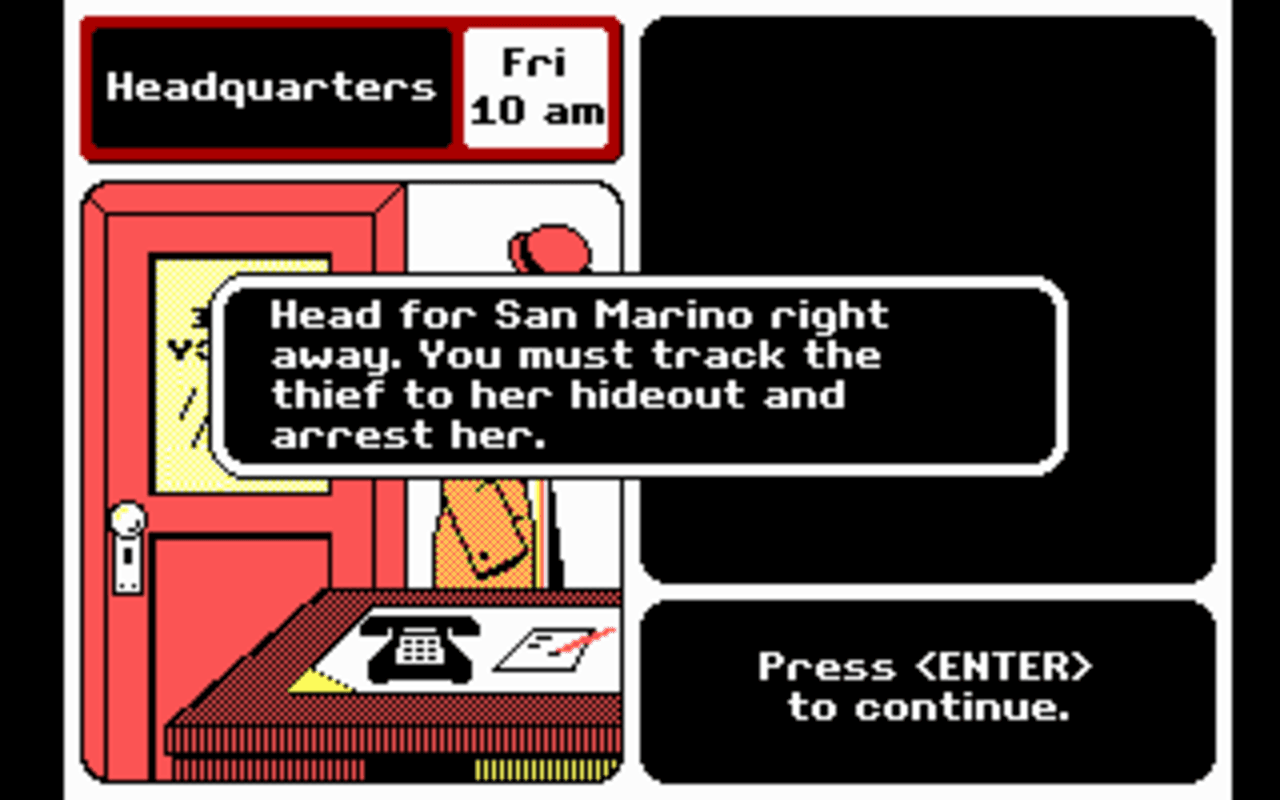
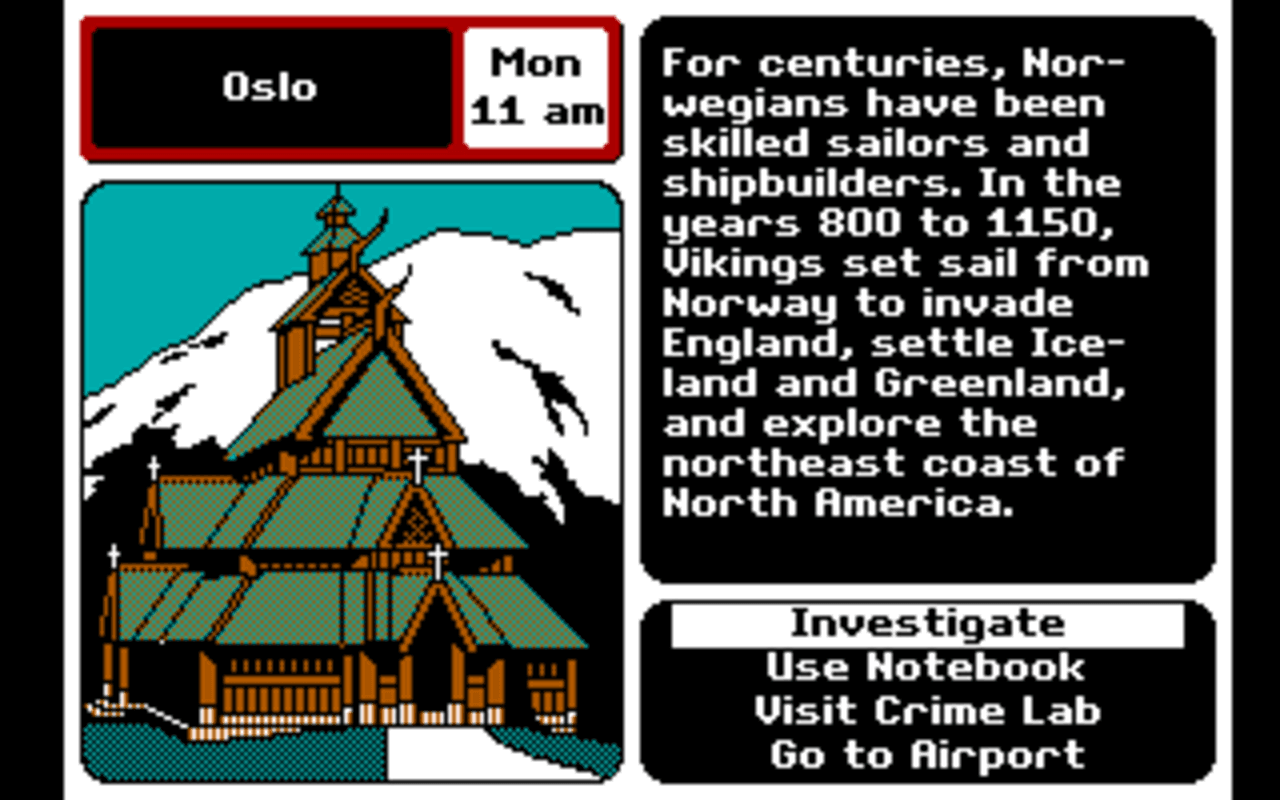
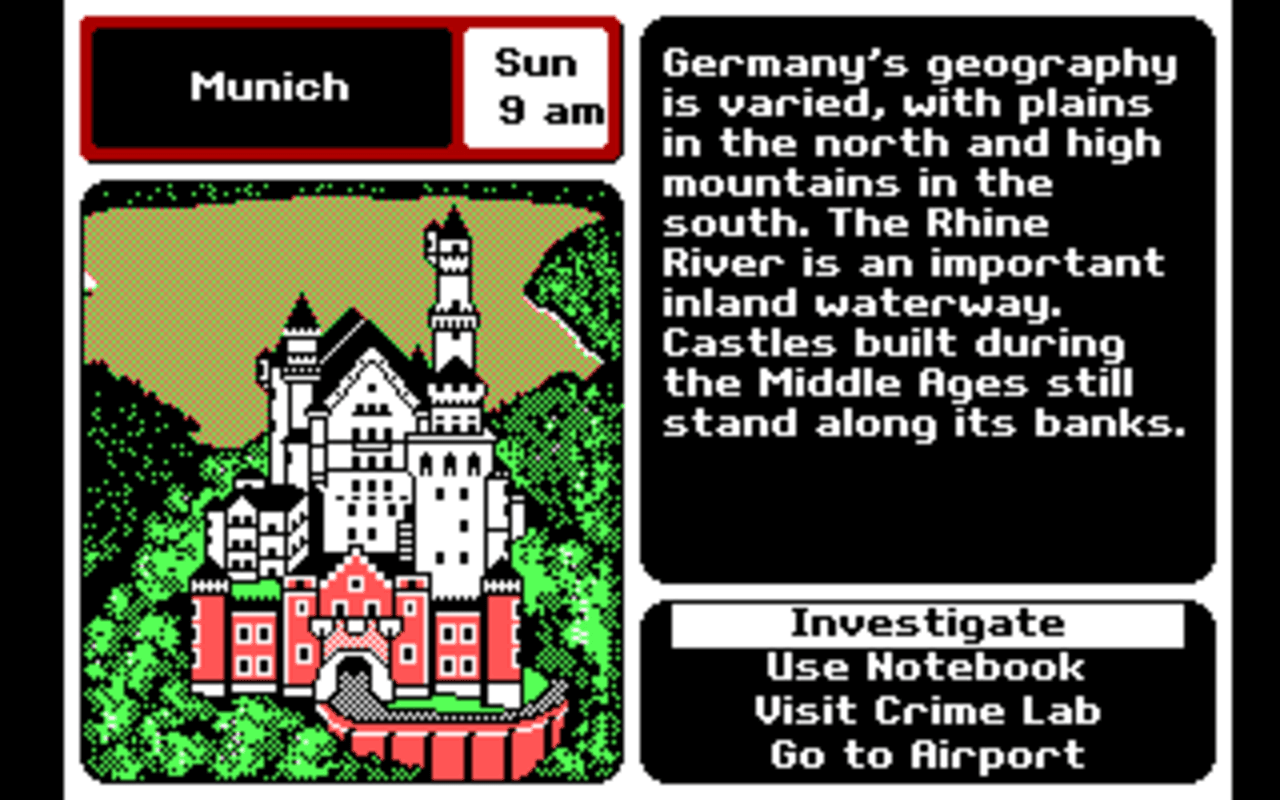
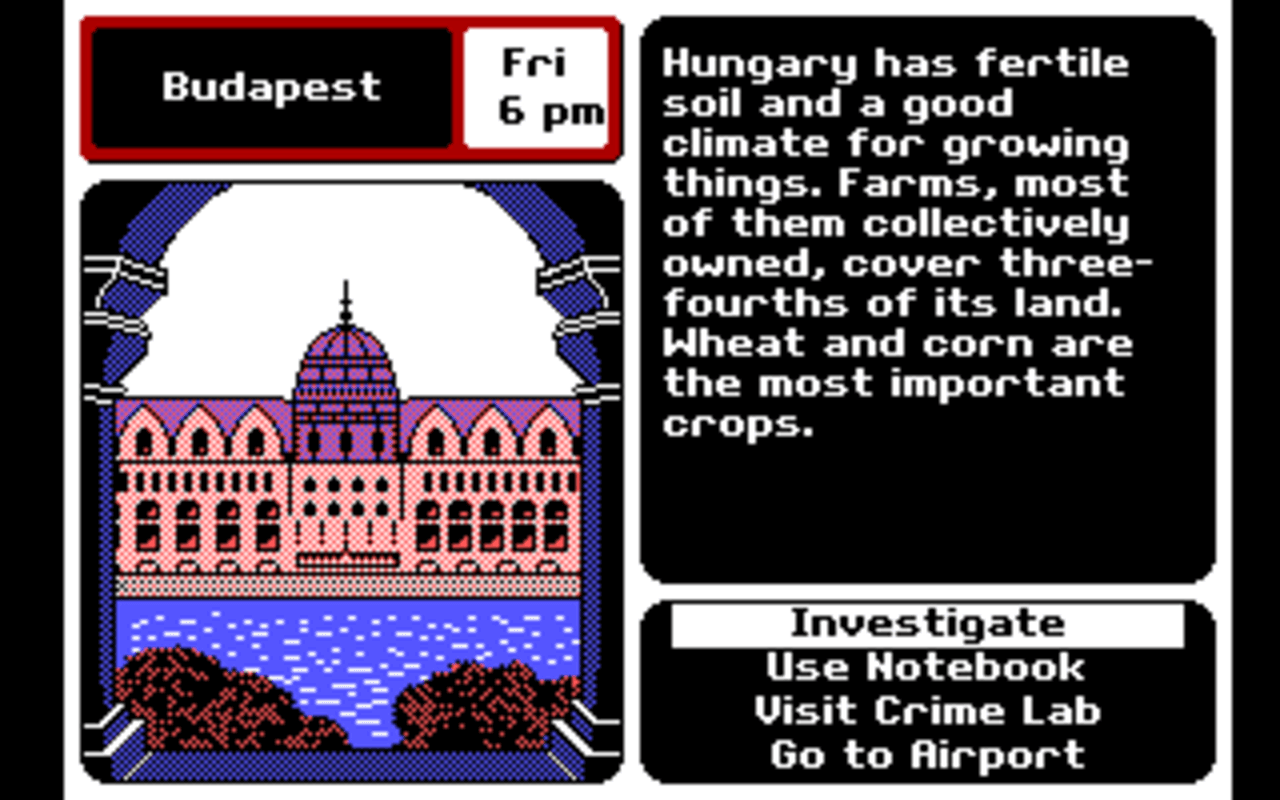
Where in Europe Is Carmen Sandiego? arrived as part of Brøderbund’s celebrated Carmen Sandiego line, a series that blended entertainment with learning in a way that felt lively rather than didactic. Released in 1988, the game placed players in the role of an ACME detective chasing criminals across Europe, using regional facts, cultural references, and geographic awareness as tools for progress. It followed earlier entries in the series while narrowing its attention to one richly varied part of the world, giving the adventure a stronger thematic flavor and a more concentrated sense of place.
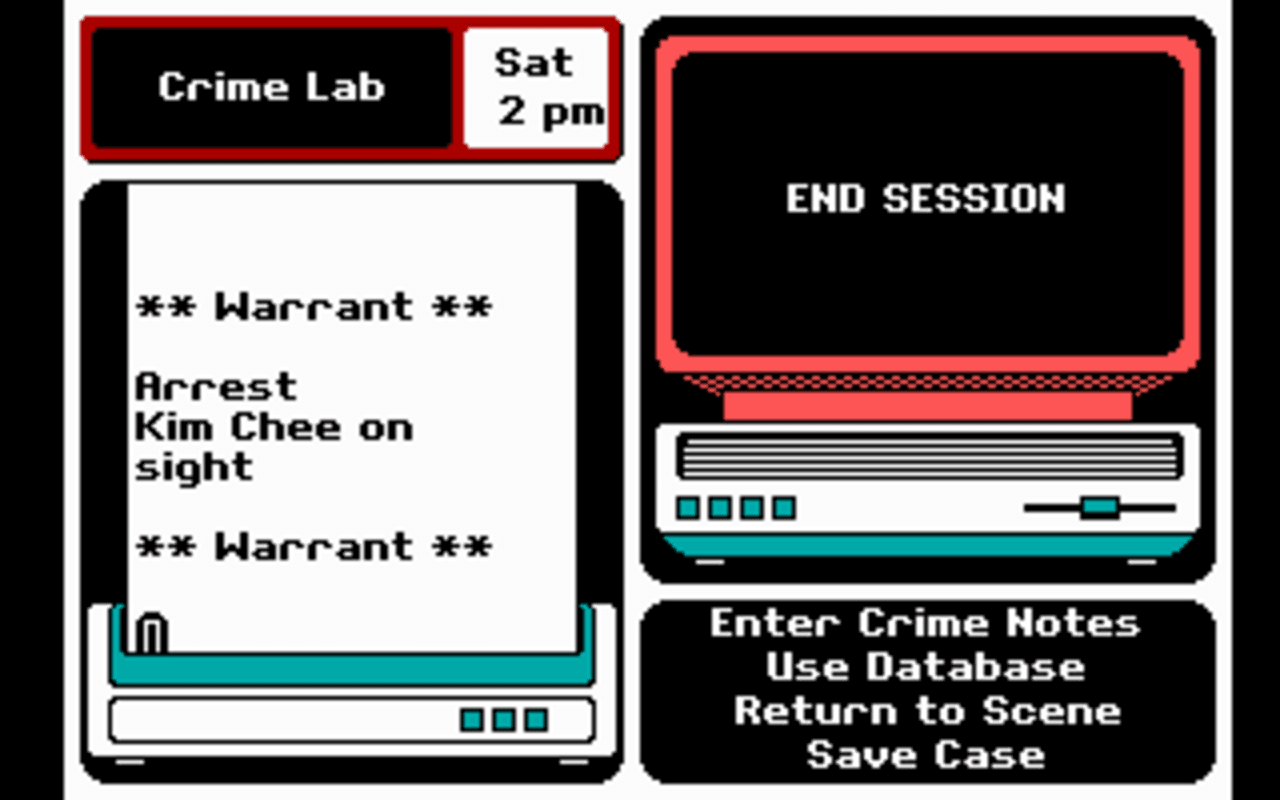
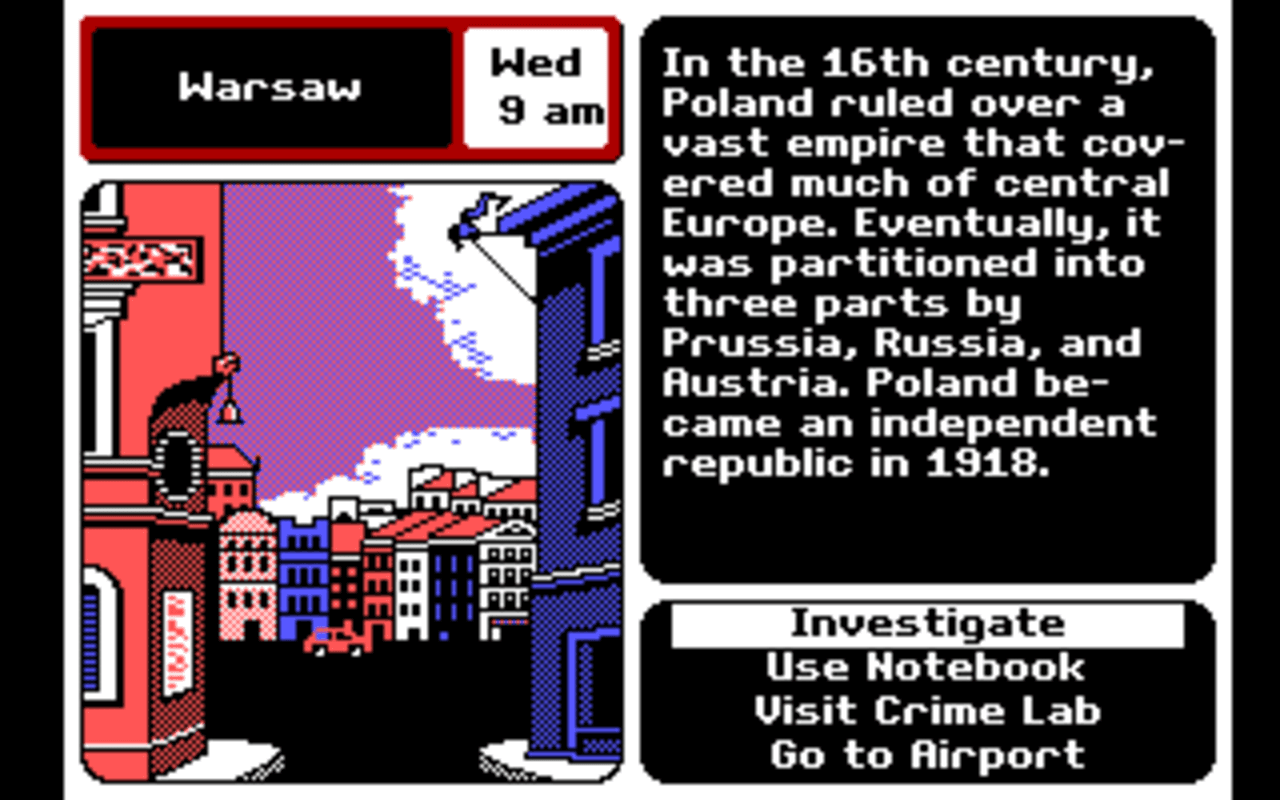
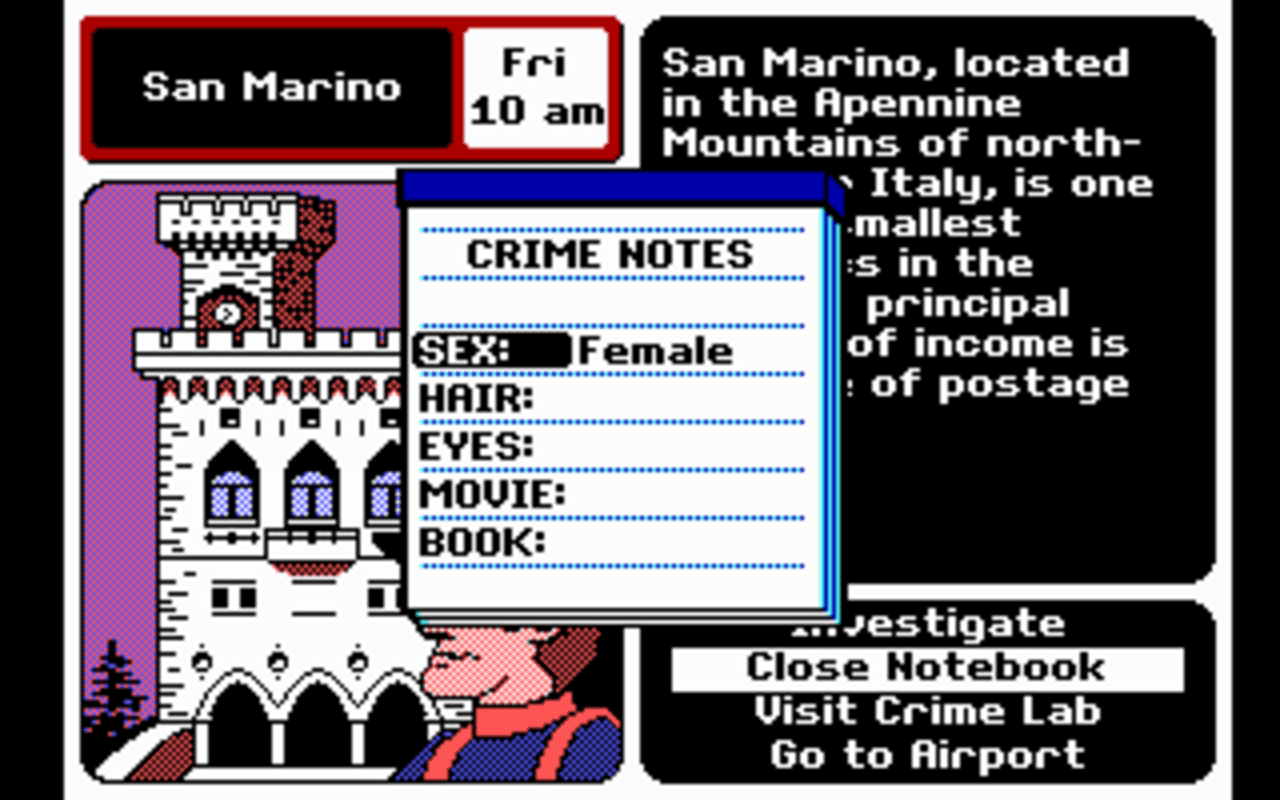
What makes the premise memorable is its simplicity. A theft occurs, the villain flees, and the player must follow a trail of clues from one destination to another. Those clues may point toward history, landmarks, languages, currencies, or customs, turning each pursuit into both a puzzle and a journey. Instead of relying on reflexes, the game rewards curiosity, note-taking, and deduction. That design gives it unusual longevity, because the satisfaction comes from thinking through a problem rather than merely reacting to one.
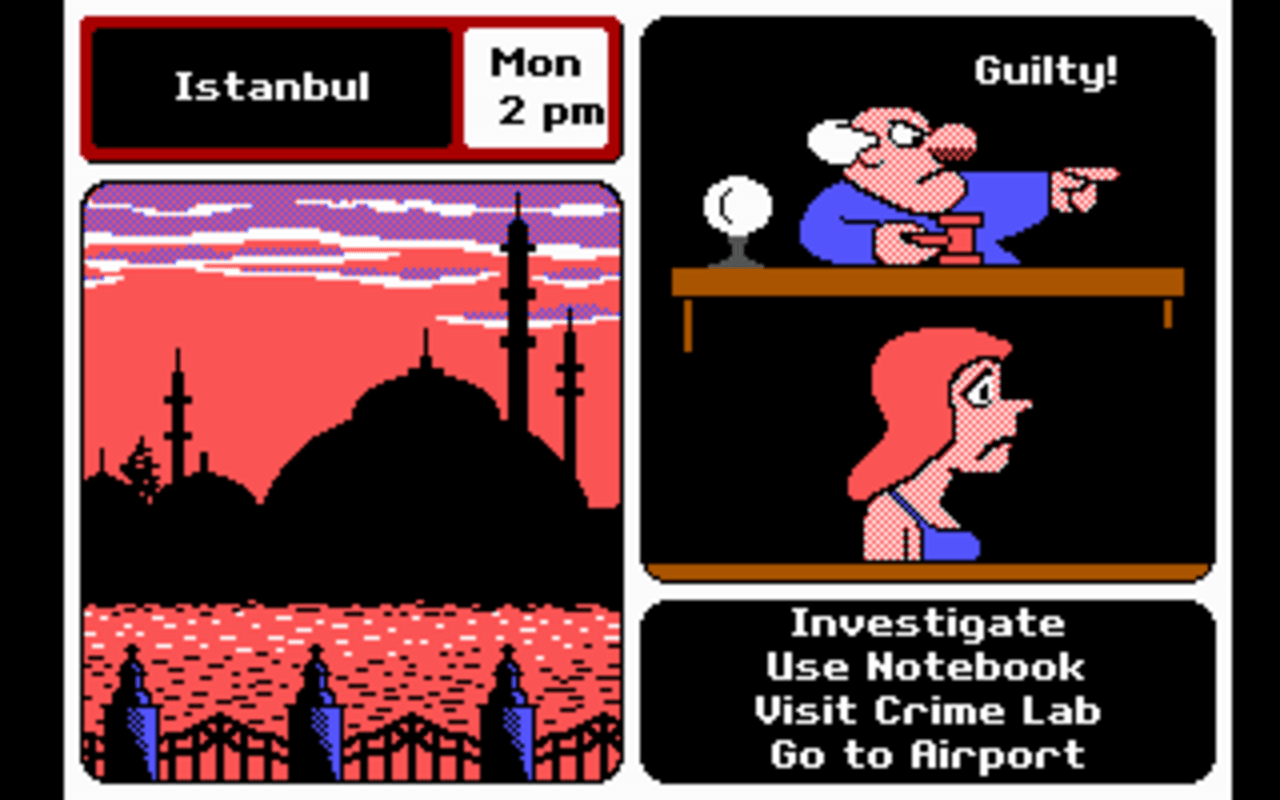
The atmosphere is equally important. Even with modest presentation, the game creates a vivid sense of travel. Each stop suggests another corner of Europe to consider, and the investigation develops a rhythm that is both calm and suspenseful. You are always one clue away from clarity, but one wrong decision can cost precious time. This tension gives the game its hook and helps explain why it still feels distinct among classic DOS releases.
A Geography Game That Feels Like a Mystery Novel
Many educational titles struggle to hide their lesson inside the mechanics, but Where in Europe Is Carmen Sandiego? succeeds because the learning is inseparable from the chase. Knowledge is not decoration here; it is the method by which the player advances. When a witness offers a clue, that information matters only if the player can interpret it correctly. The result is a game that transforms geography into action. Europe is not just a map on a screen. It becomes a network of possibilities, false leads, and dramatic last-minute turns.
This structure gives the game a literary charm. Each case feels like a chapter in a detective story, and every suspect has enough personality to keep the pursuit colorful. The famous Carmen Sandiego setup has always thrived on the fantasy of being a globe-trotting investigator, and this entry captures that fantasy particularly well through its continental focus. Because the field of play is tighter than a world-spanning adventure, the clues feel more interconnected, and the player begins to develop a stronger mental picture of the setting.
There is also a pleasant balance between accessibility and challenge. The rules are easy to understand, yet success depends on attention and memory. Younger players can enjoy the thrill of the chase, while older players can appreciate the elegant structure beneath it. That balance is one reason the game continues to stand out. It invites people to play for the mystery, then quietly rewards them with knowledge they did not expect to retain.
Play Where in Europe Is Carmen Sandiego? online
Play Where in Europe Is Carmen Sandiego? online and its enduring strengths become even clearer. The design remains approachable because it is built on menus, choices, clues, and thoughtful pacing rather than technical excess. That makes it easy to enjoy free, in a browser, and on mobile devices without restrictions, while preserving the same detective spirit that defined the original adventure. The appeal is timeless: gather evidence, read the trail carefully, and outsmart a criminal network through intelligence rather than speed.
This form of play suits the game beautifully. Short sessions work well because each case has a strong beginning, middle, and end, yet the atmosphere is rich enough to encourage longer play. A player can open the game for a quick investigation or settle in for a deeper run through multiple cases. Either way, the structure remains satisfying. The online format also highlights how readable and efficient the original design was. Nothing feels wasteful. Every clue, destination, and decision serves the central pursuit.
The game also translates well across generations because its core pleasures are universal. Following clues is satisfying. Solving a case is satisfying. Learning something useful along the way is satisfying. Those qualities do not age. Whether someone comes to it out of nostalgia or simple curiosity, the experience still feels complete. It is a classic game not just because it is old, but because its design logic remains sound.
Why the Carmen Sandiego Formula Still Works
Part of the game’s lasting charm lies in how confidently it trusts the player. It does not overwhelm with unnecessary complication, yet it also never talks down to its audience. Instead, it offers a mystery framework with enough freedom to make each success feel earned. That sense of earned progress is crucial. When you identify the next location from a small clue and move closer to the suspect, the result feels like genuine detective work.
The focused European theme also gives this installment a special identity within the wider series. Europe offers dense cultural variety, famous landmarks, and close geographic relationships that make clue interpretation especially enjoyable. The player is constantly comparing places, weighing evidence, and narrowing possibilities. That repeated pattern turns simple educational content into suspenseful play.
Where in Europe Is Carmen Sandiego? leaves the impression of a game that understands exactly what it wants to be. It is educational without being dull, playful without being frivolous, and structured without being rigid. As a result, it remains one of those rare classics that can still win over new players with almost no explanation. A brief summary says it best: this is a sharp, charming detective game where European knowledge fuels every pursuit, and where thoughtful play is always rewarded. Control is straightforward, usually relying on simple menu selection, reading clues, and choosing destinations with the keyboard or similar basic inputs.
All used codes are publicly available, and the game belongs to its original authors.