Zorro rides into DOS with Capstone flair
Zorro arrived on DOS as a licensed action platform game from Capstone Software, bringing one of fiction’s best-known masked heroes into a compact, fast-moving digital adventure. Rather than treating the character as a slow, dramatic swordsman, the game imagines him as an agile arcade champion who can sprint through hazards, hop across gaps, and carve through enemy encounters with theatrical confidence. That approach gives the experience a distinct identity. It is not merely a costume placed over generic action, but a spirited interpretation of the Zorro legend in video game form, with stage-like levels, sudden dangers, and a strong sense of movement.
What makes this game memorable is the contrast between its heroic source material and its brisk platform structure. Zorro is a figure associated with elegance, wit, and rebellion, and the game translates those qualities into motion. He does not simply advance from left to right; he dashes, reacts, and survives by timing. The result is an adventure that feels closer to a pulpy serial than a slow historical drama. Every screen pushes the player forward with the promise of another jump, another sword clash, or another narrow escape. That constant momentum is a major part of why the game still attracts curiosity from players exploring classic action titles online.
Zorro game action built on movement, timing, and style
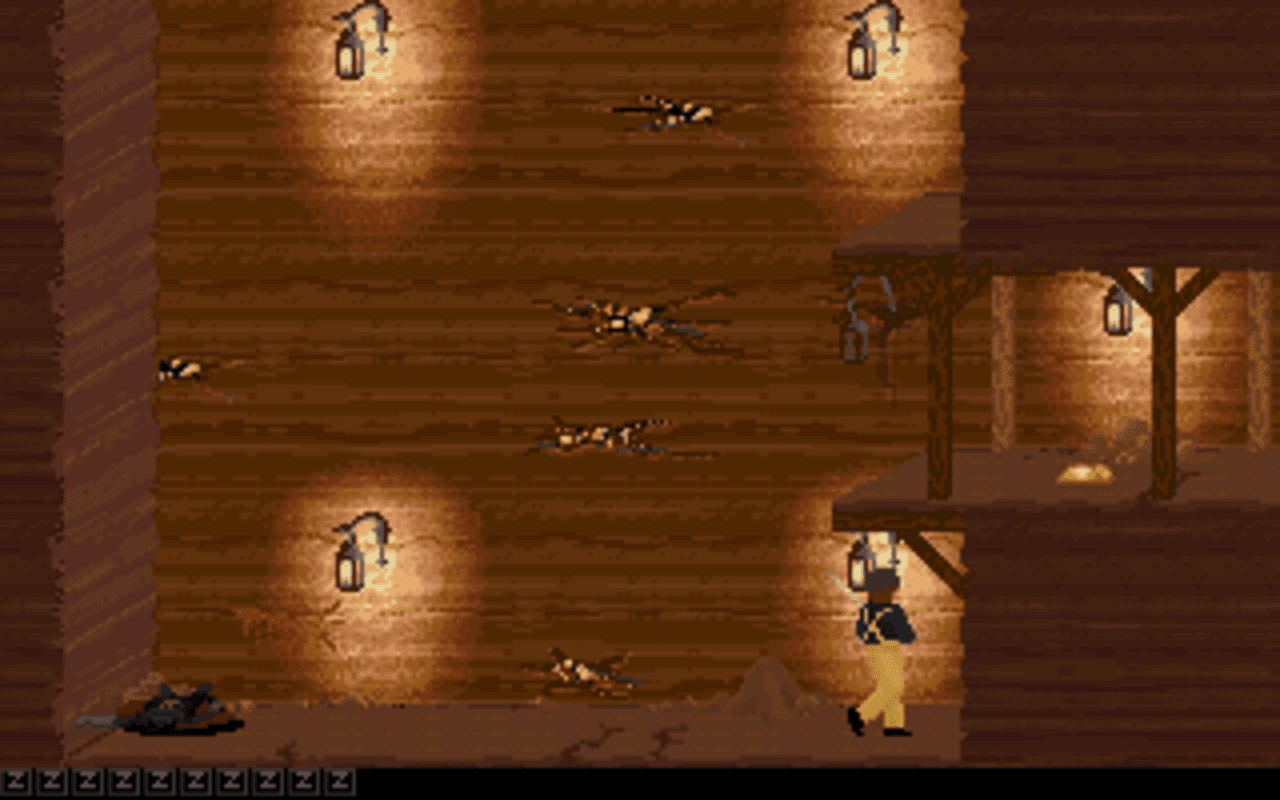
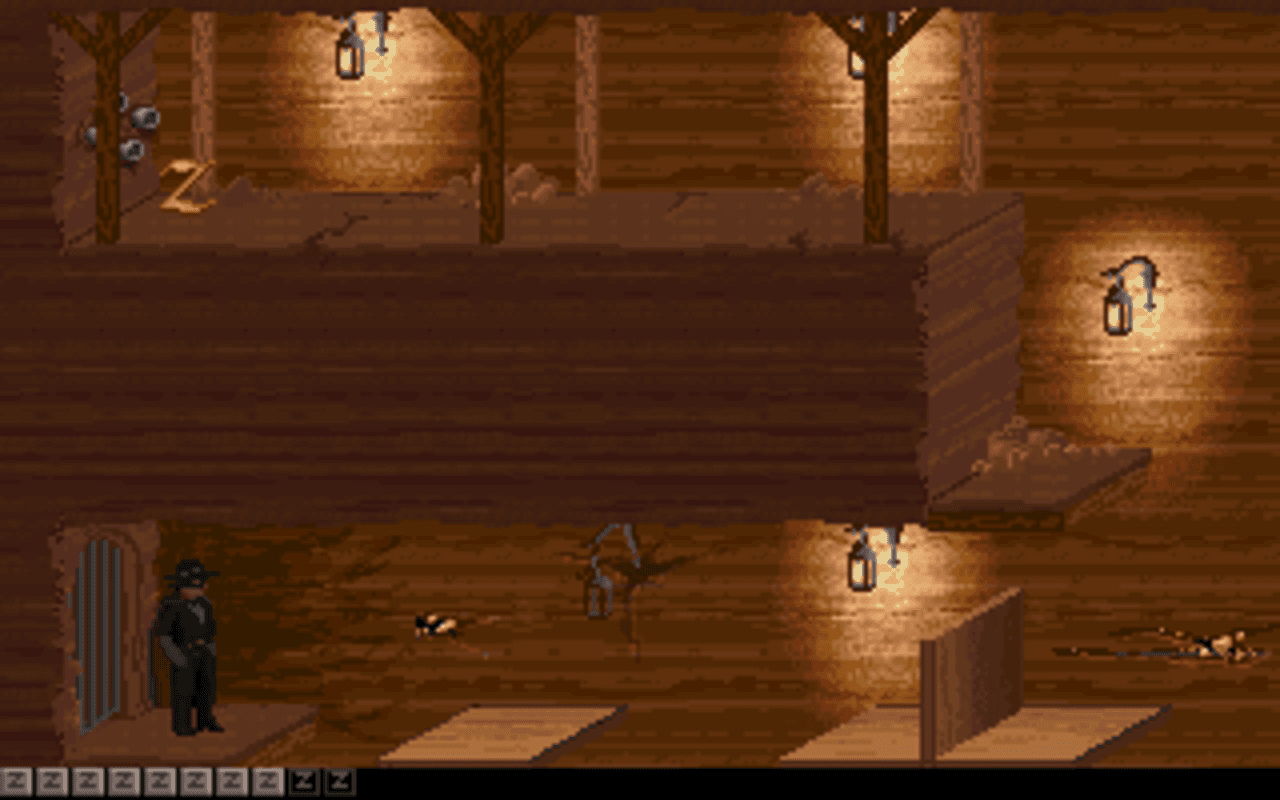
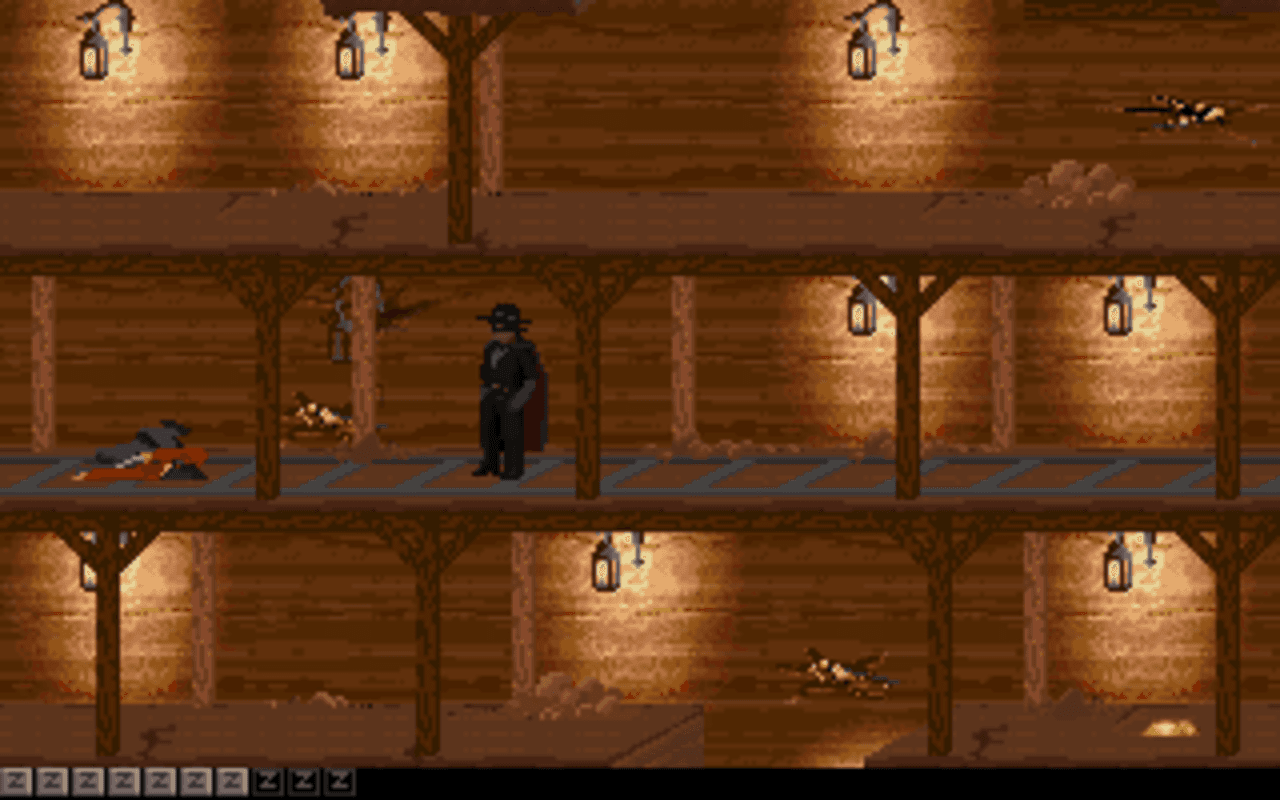
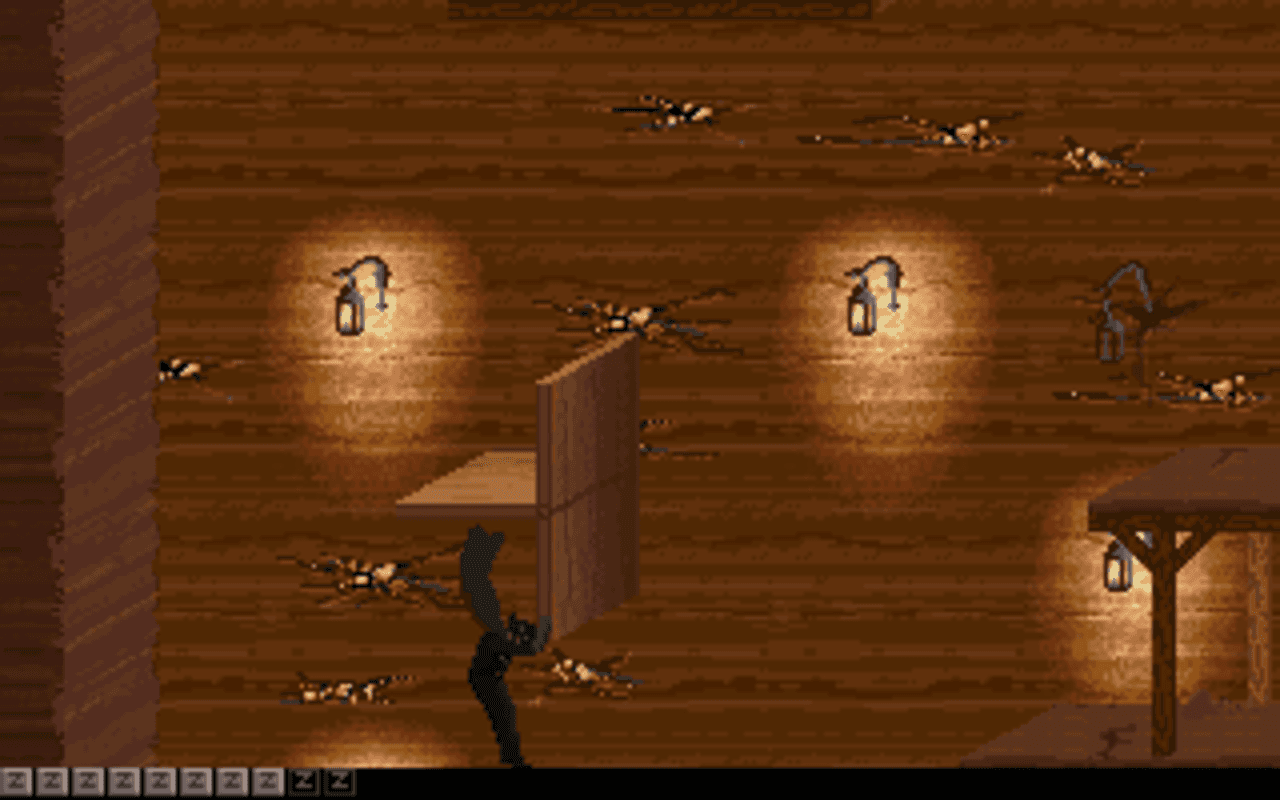
At its core, Zorro is about rhythm. The player learns how far to jump, when to attack, and how to read the spacing of a level before trouble closes in. This makes the game easy to understand but rewarding to master. A newcomer can immediately grasp the appeal of running and slashing through a colorful side view world, yet the challenge grows from precise movement rather than from complicated rules. That design gives the game a clean arcade personality, one that suits repeated play and short sessions as well as longer attempts to conquer each stretch more efficiently.
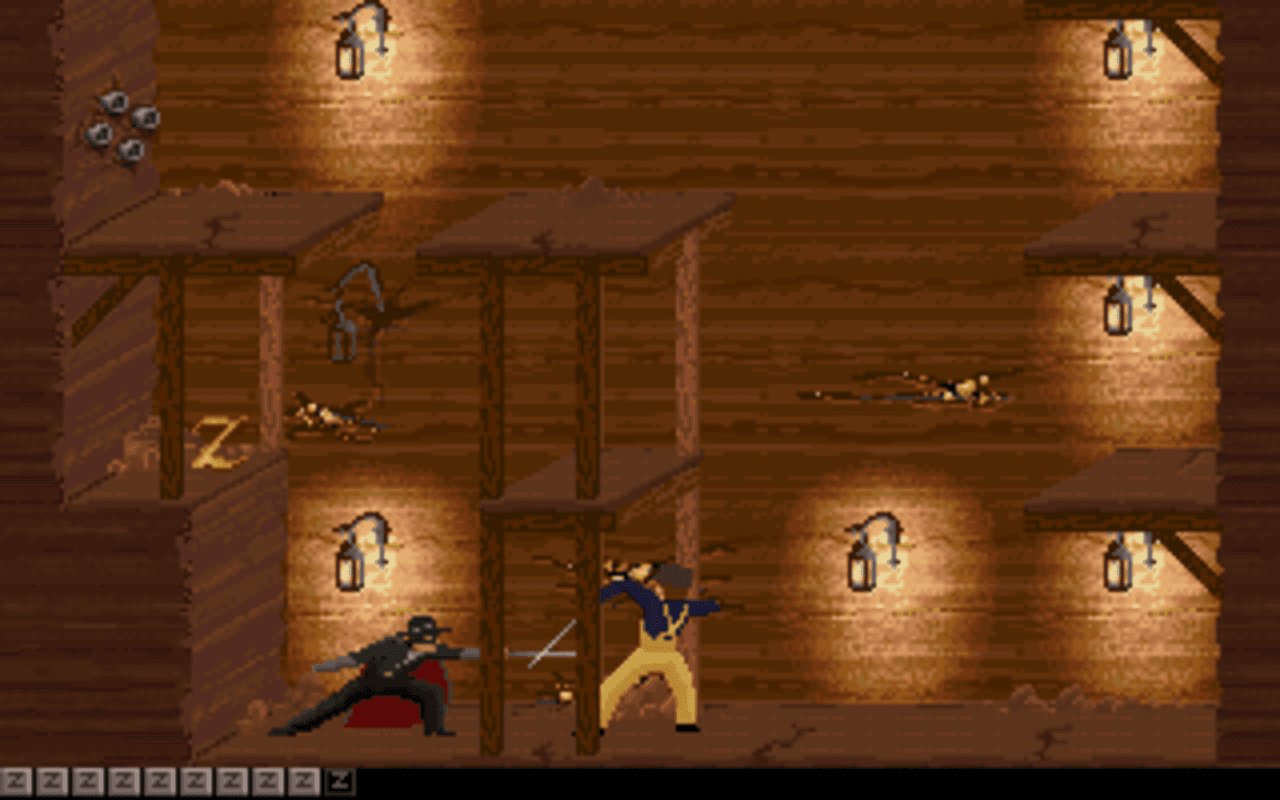
The swordplay contributes to that rhythm without overwhelming it. Zorro’s attacks are part of the flow of movement, not a separate system that slows everything down. When enemies appear, the game asks for commitment and timing, much like a platform game that happens to include fencing instead of firearms. This keeps the tone adventurous rather than grim. The hero feels quick, expressive, and larger than life, which matches the spirit of the character. The obstacles, meanwhile, keep the player alert, so even simple encounters can feel dramatic when they happen near a ledge or in the middle of a fast sequence.
That is also why comparisons to Prince of Persia and Rick Dangerous feel natural. Like Prince of Persia, Zorro depends on agility and timing in a hostile environment. Like Rick Dangerous, it has an old-school taste for danger, traps, and forward pressure. Yet it does not feel identical to either. Zorro has a brighter, more heroic swashbuckling identity, and that identity gives the game charm. Instead of mystery or grim survival, the mood centers on daring rescues, bold movement, and the fantasy of a masked avenger outsmarting his foes.
Play Zorro online
Play Zorro online and the game’s strengths become immediately clear. Its direct controls and readable action make it well suited to free play in a browser, where the appeal of classic design can be enjoyed without fuss. Because the structure is straightforward and the action is visual, it also adapts well to mobile devices without restrictions, letting the adventure remain approachable for players who want a quick heroic session or a longer effort to improve their timing. The simplicity of the premise helps the game stay fresh: start playing, learn the danger patterns, and enjoy the swashbuckling atmosphere.
Another reason this online game endures is its clarity. Many older titles can feel intimidating because they demand manuals, complicated commands, or a long learning period. Zorro offers the opposite. The player sees the hero, understands the threat, and reacts. That clarity makes it inviting for newcomers who want to play a classic game for the first time, while older fans can appreciate how neatly it captures an arcade style of design. It respects the player’s time by getting to the action quickly, and that quality translates beautifully to modern online play.
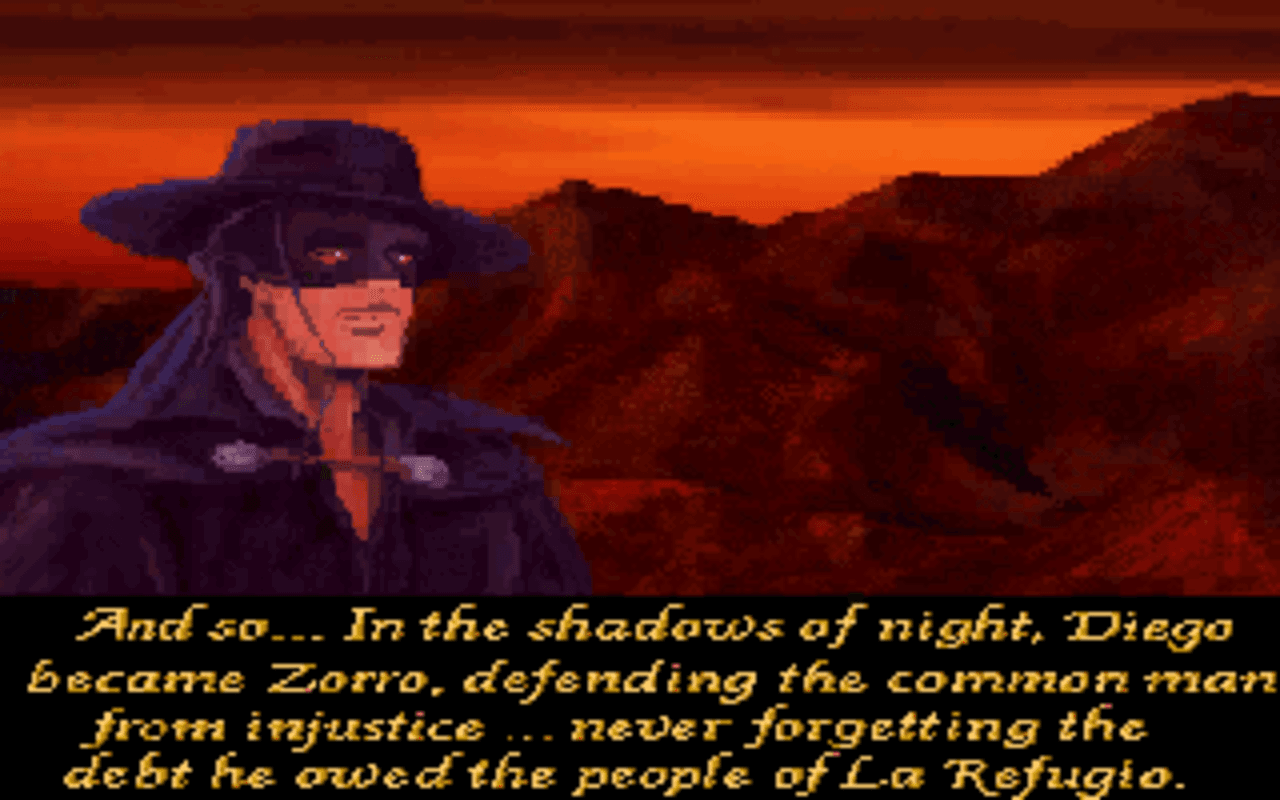
There is also something enduring about the hero himself. Zorro is built on a timeless fantasy: the elegant defender of the powerless, hidden behind a secret identity and defined by courage rather than brute force. In game form, that fantasy becomes playful and immediate. A leap across danger or a well-timed strike communicates the character as effectively as dialogue ever could. The online format simply makes that immediacy easier to appreciate, because the essence of the game is action, not setup.
Why the Zorro game still feels lively and rewarding
The best classic games remain interesting because their foundations are strong, and Zorro has that kind of foundation. Its appeal does not depend on novelty or on technical spectacle. Instead, it depends on pace, personality, and responsiveness. Those qualities age well. When players return to old action games, they are often searching for exactly this sort of concentrated experience: a game with a recognizable hero, a readable challenge, and enough energy to make every attempt feel purposeful. Zorro delivers that in a form that is compact but expressive.
It also benefits from its licensed theme without being trapped by it. Some licensed games lean too heavily on recognition and forget to provide satisfying mechanics. Zorro works better when seen as a genuine platform adventure that happens to star a famous hero. The license adds flavor, but the gameplay carries the experience. That balance makes the game easier to recommend to players who may know little about the original character. Even without deep familiarity, the action communicates everything essential: this is a nimble hero, these are dangerous odds, and justice depends on skillful play.
Zorro remains a lively DOS game because it understands the pleasure of movement. Running, jumping, and striking through danger are satisfying in almost any era when they are presented with clarity and charm. The game’s summary is simple: it is a colorful, side-scrolling action adventure that turns a legendary hero into a responsive arcade protagonist. Control is equally simple, with movement keys guiding Zorro through levels and action keys handling jumps and attacks, which keeps the focus on timing and bravery rather than complexity.
All used codes are publicly available, and the game belongs to its original authors.