Why Schools Still Use the Oregon Trail Game for Learning
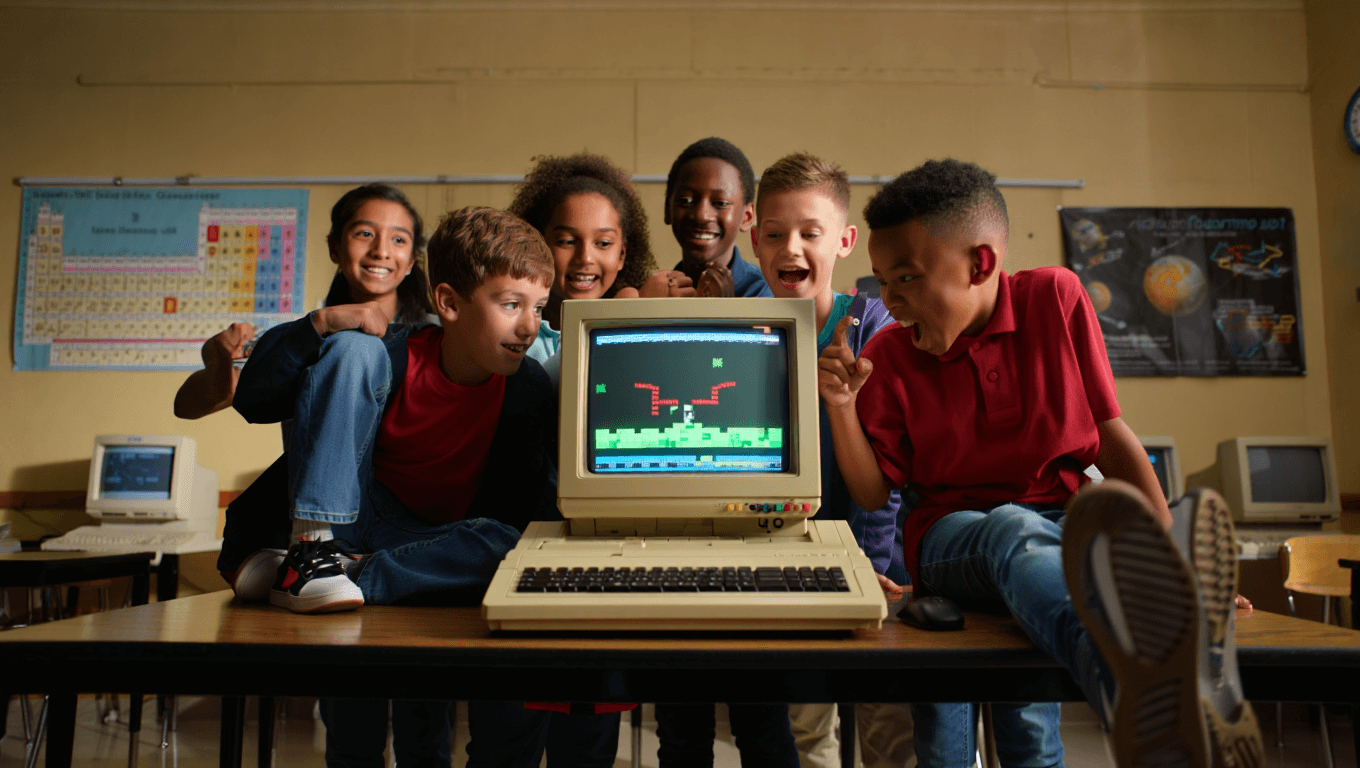
Even if you’ve never played it, you’ve probably heard someone reference it. The Oregon Trail game has become a cultural shortcut for “old school computer lab days.” But what’s more interesting than the nostalgia is this:
Teachers still talk about it as a learning tool.
Not because it’s perfect, and definitely not because it covers every detail of history. They still use it, recommend it, or reference it because it does something many classroom resources struggle to do. It gets students to care. It turns history from a set of facts into a chain of decisions. It creates consequences you can feel.
That is the core of Oregon Trail educational value. It makes learning active.
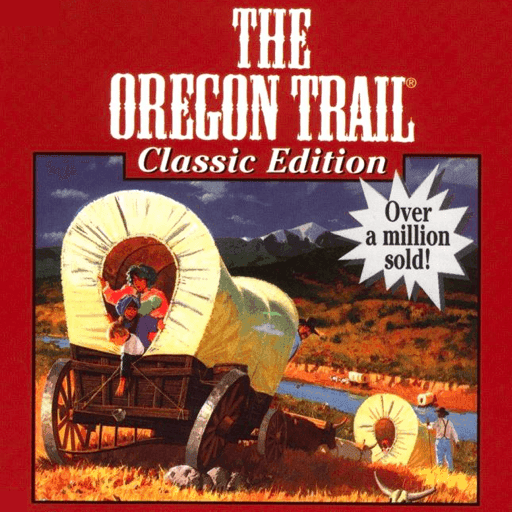
The Oregon Trail
In this article, we’ll look at why the game worked so well in schools, what skills it teaches, and why it remains one of the most memorable classroom learning games ever made.
The Simple Reason Oregon Trail Worked in Classrooms
A lot of educational tools try to “teach” by explaining. Oregon Trail teaches by making you responsible.
When you’re in control of the journey, you stop thinking like a student trying to pass a test and start thinking like someone trying to survive a problem. That shift changes everything.
Suddenly, a lesson about westward travel becomes practical. Food matters. Weather matters. Health matters. You can’t just memorize what pioneers faced. You experience a version of it.
That is why teachers connected Oregon Trail to teaching US history in a way students would actually remember.
It Was Built for the Reality of Classroom Time
One reason Oregon Trail became a staple among history education games is that it fit into the school day.
The game is structured in bite-sized decision loops. You make a choice, you see what happens, you keep going. That format worked well for short sessions in computer labs, where students might only have limited time at a shared computer.
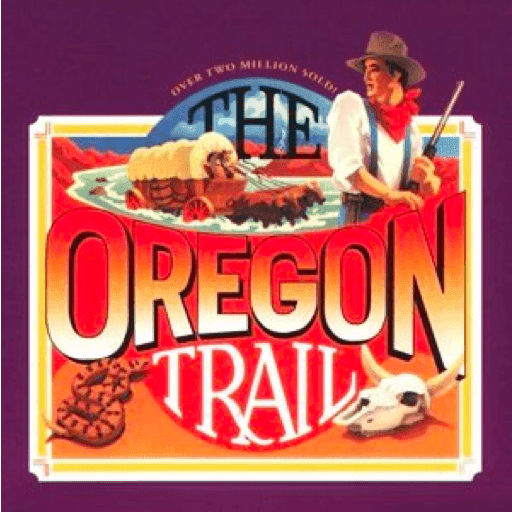
The Oregon Trail Deluxe
It also allowed teachers to pause and discuss. The game naturally triggers questions:
Why did this happen?
What should we do next?
What could we have done differently?
Those questions are exactly what good teaching aims for, and Oregon Trail produces them without forcing them.
The History Lesson Beneath the Game
At face value, Oregon Trail is about traveling from point A to point B. Underneath that, it introduces students to key themes in US history.
Westward Expansion as a Human Experience
Textbooks can make westward expansion sound inevitable and clean. The game makes it uncertain and messy. You learn that people didn’t move west as part of a smooth plan. They faced setbacks, fear, and constant risk.
That doesn’t replace deeper historical study, but it gives students a mental frame for understanding how hard the journey could be.
The Role of Geography and Environment
The game pushes students to notice that geography shapes decisions. Rivers, weather, and terrain matter. That’s a powerful way to teach that history isn’t just politics and names, it’s also environment and logistics.
This is where gamified learning can outperform pure reading. When students see the direct impact of geography in the game, they’re more likely to remember it later.
Basic Context for Pioneer Life
Even simplified, the game introduces what daily concerns looked like for travelers: food planning, animal care, illness, breakdowns, and timing.
That’s not a full historical education, but it’s a strong entry point. Students get a sense of the practical reality of teaching US history beyond “and then they went west.”
The Non-History Skills Oregon Trail Teaches
This is where Oregon Trail becomes more than a history game. It trains skills that apply outside the classroom.
Planning and Preparation
Students learn quickly that bad planning ruins the journey. If you overspend on one thing, you’ll miss another. If you don’t bring enough food, the trip becomes a crisis.
That’s a real-world lesson. It teaches the value of thinking ahead and anticipating needs, which is one reason teachers point to Oregon Trail educational value even today.
Resource Management
The game is essentially a resource balancing exercise. Food, money, supplies, ammunition, and spare parts all interact. One decision affects the next.
This is a basic but powerful introduction to budgeting and trade-off thinking, which students can apply later to everything from time management to personal finance.
Decision-Making Under Uncertainty
Oregon Trail forces you to decide without knowing the future. That’s a big deal. Many school tasks have clear right answers. Real life often doesn’t.
In the game, you choose a pace. You choose when to rest. You choose whether to risk a river crossing. Sometimes you still lose. That’s not unfair. That’s uncertainty.
Students come away understanding that good decisions don’t guarantee good outcomes, but they still matter.
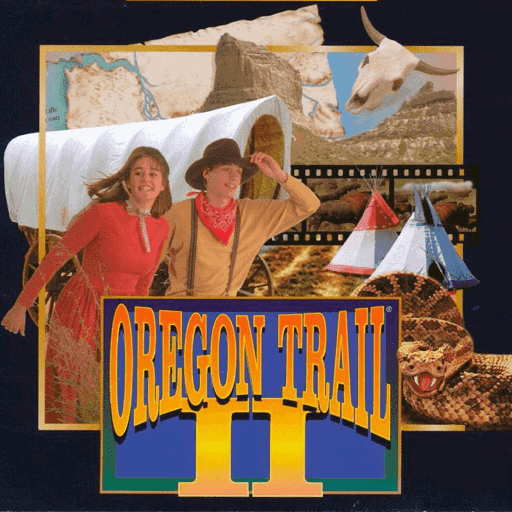
Oregon Trail II
That’s one of the most meaningful outcomes of gamified learning.
Cause and Effect Thinking
A smart teacher can use the game to show how systems work. For example, if you travel too fast, health drops. If health drops, illness rises. If illness rises, you lose time. If you lose time, supplies run low.
That chain teaches cause and effect in a clear, memorable way.
Why Students Remember It for Years
Oregon Trail sticks because it creates stories.
Students don’t just remember what they learned. They remember what happened to them. The journey becomes personal. Even if it’s a simplified simulation, it creates emotional connection. That connection builds memory.
A student may forget a worksheet about westward expansion. But they’ll remember the time they ran out of food two weeks from Oregon. They’ll remember the argument about whether to ford the river. They’ll remember the relief of making it to the next landmark.
That’s why Oregon Trail remains one of the most famous classroom learning games. It gives students a story they can retell.
The Limits of Oregon Trail as a Teaching Tool
It’s also important to acknowledge what the game doesn’t do well.
It Simplifies Complex History
The Oregon Trail game doesn’t fully explain why people moved west, how policy shaped settlement, or the broader political consequences. It focuses on travel and survival.
That’s fine as long as it’s not treated as the whole story.
Indigenous Perspectives Are Not Central
Westward expansion deeply impacted Indigenous nations. Many earlier versions of the game barely touch that reality, which can create a distorted understanding if it’s not discussed.
A teacher using the game responsibly will add context and multiple viewpoints. The game can start the conversation, but it shouldn’t end it.
It Can Make History Feel Like a “Game Only”
Some students may absorb the idea that history is only a series of fun events. That’s where good teaching matters. Teachers can help students reflect on what the game represents and what it leaves out.
Even with these limitations, Oregon Trail remains valuable because it’s a tool for engagement. It’s not the whole curriculum, but it can be a powerful bridge into deeper learning.
Why It Still Matters Today
In 2026, education is full of digital tools. Many come and go quickly. Oregon Trail has staying power because it’s built on timeless learning mechanics:
Make choices.
See outcomes.
Adjust strategy.
Learn from mistakes.
That learning loop works for students of almost any age.
It also fits modern education trends. There is more focus now on teaching skills, not just memorizing facts. Oregon Trail supports that by developing planning, critical thinking, and decision-making.
That is why teachers still reference it when talking about history education games and the best examples of gamified learning done right.
Final Thoughts
The Oregon Trail game still works in classrooms because it does what good teaching aims to do: it makes students think. It makes them feel the stakes. It makes them curious.
Its biggest educational strength is not that it presents history perfectly. It’s that it turns history into a lived problem, something students can engage with, argue about, and remember.
That is the real Oregon Trail educational value. It’s not just a game kids played in school. It’s a learning experience that shaped how a generation understood choices, consequences, and the human side of history.
Related articles
Revisiting The Last Express: A Timeless Classic
Explore the captivating mystery and innovative real-time mechanics of The Last Express, a timeless classic set aboard the Orient Express.
Timeless Design Lessons from Classic DOS Games
Explore the innovative design principles of DOS games and how they continue to inform modern game development.