Mastering Command H.Q.: Strategies for Dominance

In the realm of classic DOS strategy games, Command H.Q. stands out for its intense, map-driven gameplay. Released in 1990 by MicroProse Software, this game invites players to command armies, fortify nations, and outthink opponents on a global scale. Its dynamic mix of real-time decisions and large-scale strategic planning offers both a challenge and a thrill.
For seasoned players, mastering Command H.Q. involves more than just the basics. It’s about leveraging the intricate mechanics and nuances to secure victory. Let’s dive into advanced strategies that can elevate your gameplay to new heights.
Maximizing Unit Effectiveness in Command H.Q.
Understanding the strengths and weaknesses of your units is crucial in strategy games like Command H.Q. Infantry units are versatile, ideal for holding positions and securing territory. However, relying solely on infantry can be a pitfall due to their vulnerability to artillery and armored units.
Balancing your forces with a mix of tanks and artillery can provide a robust frontline and effective defense. Tanks offer mobility and power, while artillery can weaken enemy positions from a distance. Utilize air units for rapid strikes and reconnaissance missions, gathering intelligence to anticipate enemy moves.
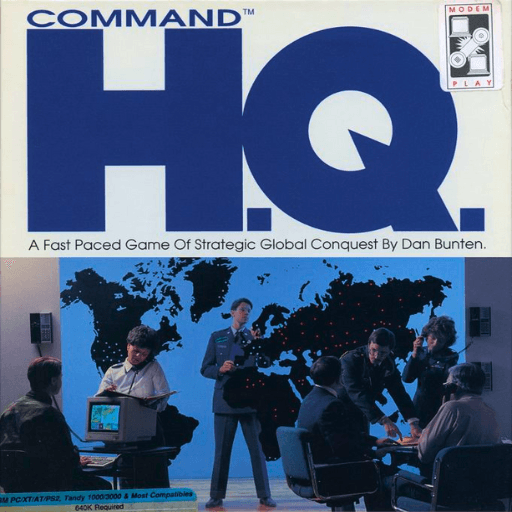
Command H.Q.
Mastering Resource Management for Sustained Operations
Resources are the backbone of your military campaign in Command H.Q. Efficiently managing these resources ensures you can sustain operations and adapt to unexpected changes on the battlefield. Always prioritize capturing and securing cities, as they increase your resource pool and production capabilities.
Avoid the common mistake of overextending supply lines. Focus on consolidating gains and maintaining a stable resource flow. Invest in infrastructure upgrades to boost efficiency, but remain cautious not to deplete reserves that could be pivotal during prolonged engagements.
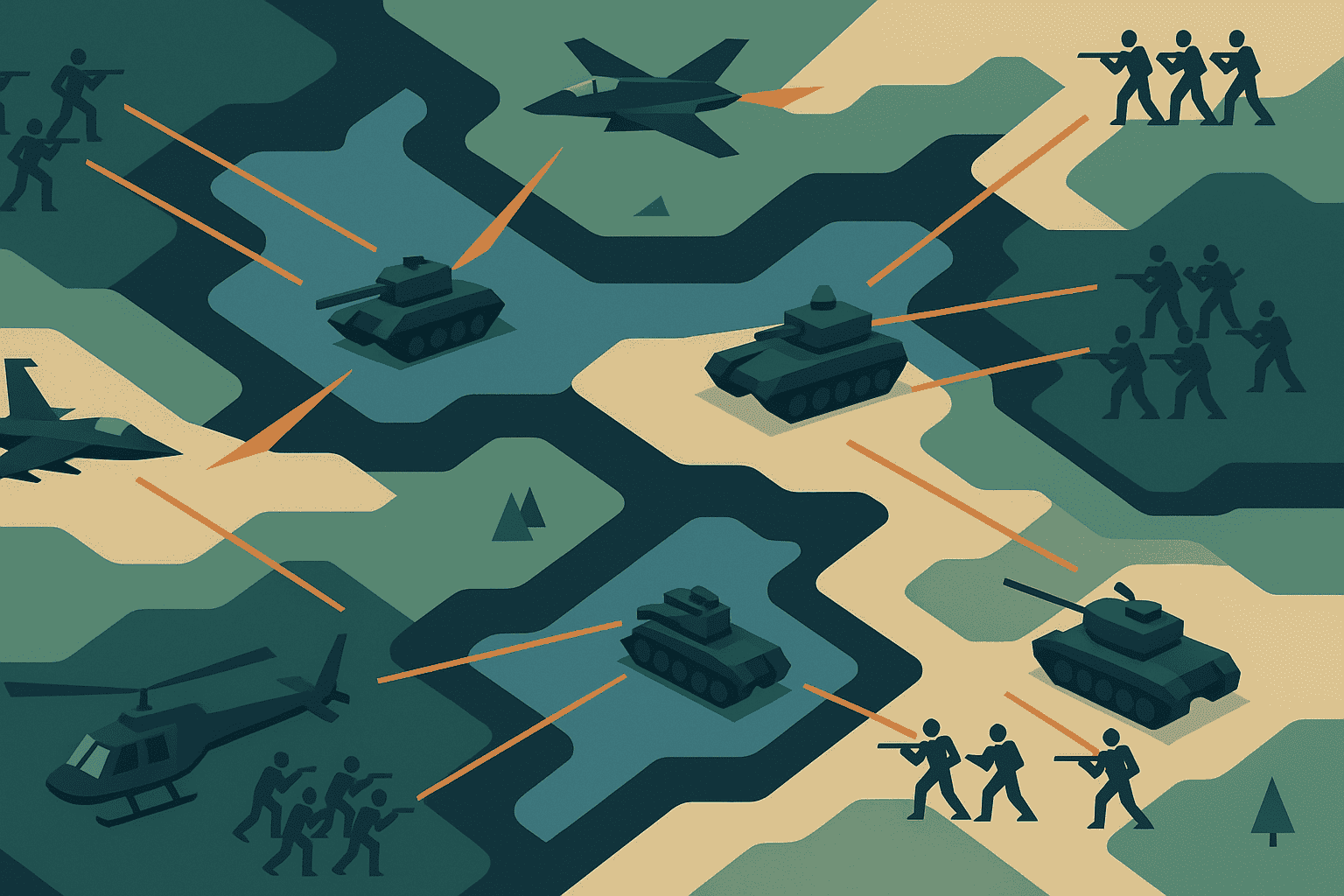
Strategic Map Navigation: Gaining the Upper Hand
Map navigation in Command H.Q. isn’t just about moving units; it’s about positioning them for maximum strategic advantage. Control key chokepoints and routes to disrupt enemy supply lines and movement. Utilize terrain features to shield units from direct attacks and enhance defensive capabilities.
Regularly scout ahead to uncover enemy positions and adjust your strategy accordingly. Use decoys to mislead opponents, creating opportunities for surprise attacks. Mastering the art of positioning can turn the tide of battle, making it an indispensable skill for any aspiring commander.
Avoiding Common Pitfalls in Command H.Q.
Even experienced players can fall into common traps in Command H.Q. One crucial mistake is neglecting defensive preparations. Always fortify important areas before launching offensives to prevent being caught off guard by counterattacks.
Another pitfall is failing to adapt tactics as the game progresses. Stay flexible and ready to switch strategies based on the evolving battlefield. Finally, avoid ignoring the enemy’s resource capabilities. Outmaneuvering your opponent isn’t just about direct conflict; it’s about economic and strategic superiority.
Becoming a true master of Command H.Q. requires time, practice, and a willingness to learn from each engagement. By focusing on the game’s deeper mechanics, such as comprehensive unit management and strategic resource allocation, players can enhance their tactical prowess. Embrace the challenge, adapt to the dynamic nature of the game, and let the battlefield become your proving ground for strategic brilliance.
Related articles
Level Design Mastery in Darklands: A Journey Through Medieval Germany
Explore the intricate level design of Darklands, a DOS RPG that masterfully combines exploration, pacing, and storytelling.
How to Play The Oregon Trail: A Beginners Guide
Discover how to play The Oregon Trail, the legendary survival adventure game. Learn essential strategies, avoid common mistakes, and ensure your pioneers make it to Oregon safely.