The Educational DOS Games That Shaped a Generation
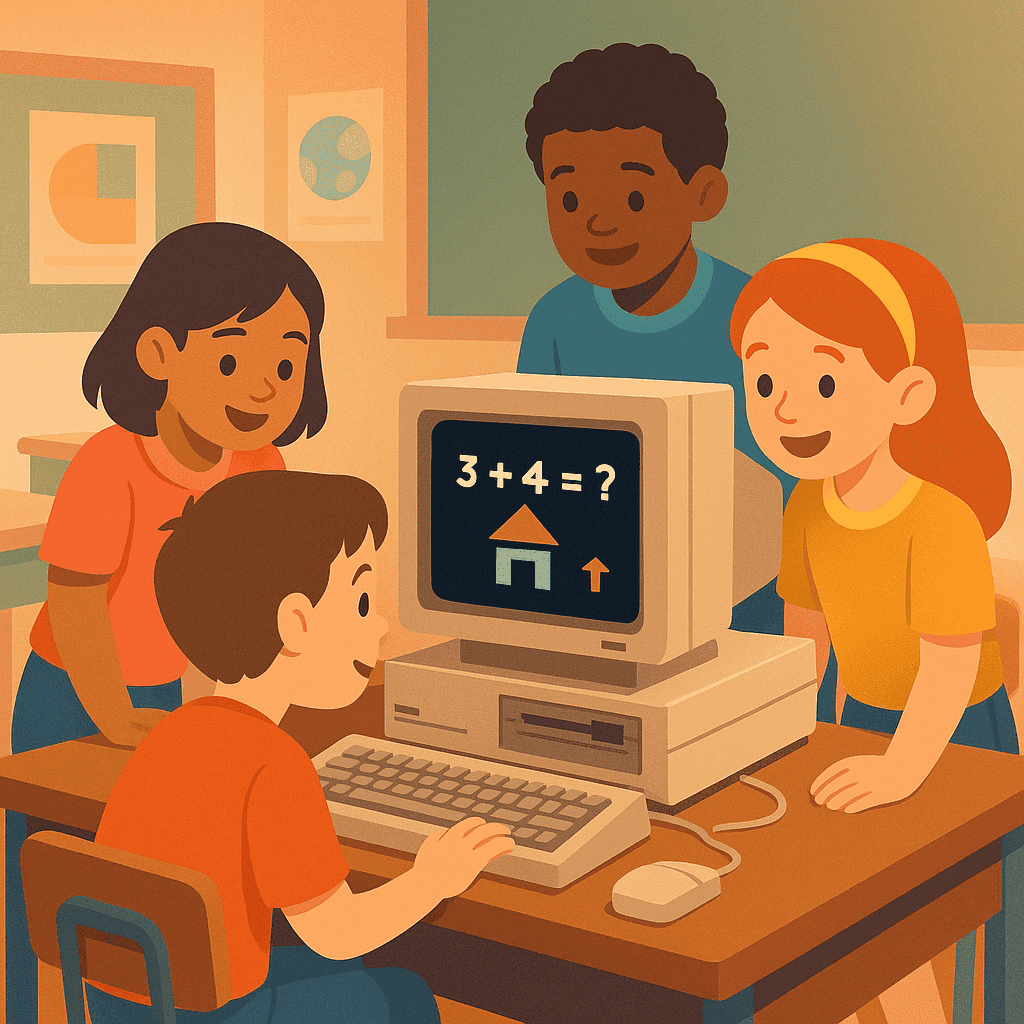
Once upon a pixelated time, educational DOS games were the unsung heroes of both classrooms and living rooms. These charming yet effective pieces of software quietly revolutionized how children of the 80s and 90s learned and played. For many, these games were not just a pastime but a bridge to understanding complex subjects in engaging ways. Let’s press Play and remember the games that molded our minds and sparked generations of lifelong learners.
The Golden Age of DOS Educational Games
The late 80s and early 90s marked a period when educational games on DOS systems became a staple in both homes and schools. The humble personal computer became a portal to interactive learning experiences that textbooks alone couldn’t offer. Developers like Davidson & Associates, Inc. and Software Toolworks crafted games that were not only instructive but also immensely entertaining. These games often slipped seamlessly into curricula, transforming monotonous math drills into captivating space adventures or typing lessons into engaging speed trials.
Math Adventures in Space: The Blaster Series
Among the pantheon of educational games, the Math Blaster series stands out for its ingenious blend of learning and entertainment. Math Blaster Plus!, released in 1987, took students on thrilling space adventures where arithmetic was the key to progress. Later, Math Blaster: Episode One – In Search of Spot continued this legacy in 1993, transforming math practice into a cosmic rescue mission. These games taught more than just numbers; they honed problem-solving skills and fostered a love for learning under the guise of fun.
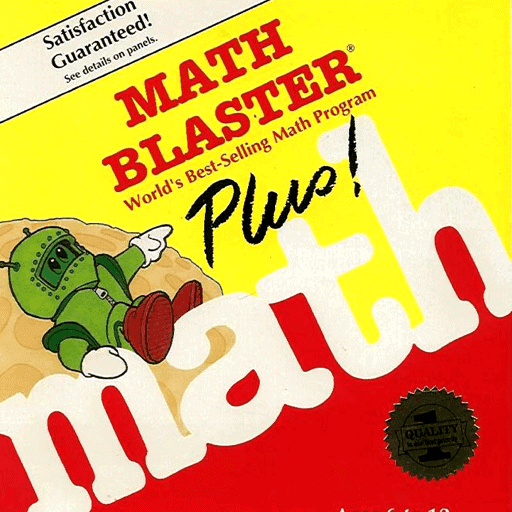
Math Blaster Plus!
Typing Takes Flight with Mavis Beacon
Typing was once a tedious skill to acquire, until Mavis Beacon Teaches Typing! turned it into a captivating challenge. Released in 1987, this software brought a personal touch to typing education with customized lessons and progress tracking. The program’s engaging exercises, such as typing games and speed tests, captivated students and taught them keyboarding dexterity in a manner that was both productive and enjoyable. Mavis Beacon set the standard for educational software, combining serious learning with a dash of competitive fun.
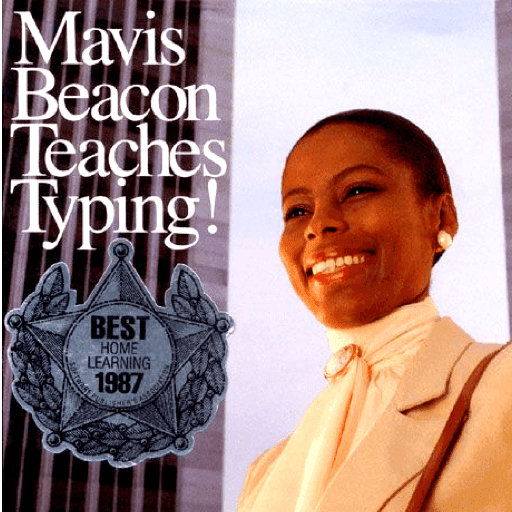
Mavis Beacon Teaches Typing!

Geography Lessons in Disguise: Carmen Sandiego’s European Chase
Geography was never as thrilling as when it involved tracking a notorious thief across Europe. Where in Europe is Carmen Sandiego?, released in 1988, turned geography lessons into a detective’s quest. Players not only learned about European cities and landmarks but also developed analytical skills by piecing together clues to capture the elusive Carmen. This game’s ability to disguise learning as an exhilarating manhunt made it a favorite in both classrooms and homes.
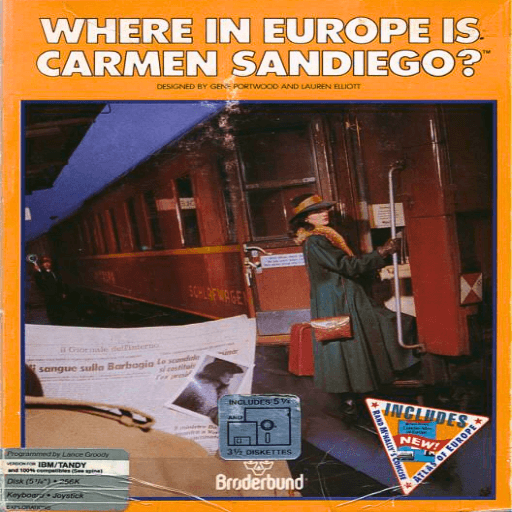
Where in Europe is Carmen Sandiego?
The Educational Games’ Legacy: A Nostalgic Reflection
For many, these games are more than just cherished memories; they’re the foundation of a lifelong love of learning. As students navigated their virtual adventures, they developed skills that textbooks alone couldn’t impart. From math and typing to geography and problem-solving, educational DOS games laid the groundwork for the educational software of today. Their legacy lives on in modern classrooms, where interactive learning continues to evolve and inspire.
Lessons from the Past: Educational Games in the Digital Age
As we look to the future, the principles that made DOS educational games so effective remain relevant. Today’s developers continue to draw from these early innovations, creating games that captivate and educate. While the platforms have changed, the core idea of learning through play endures. By examining the past successes of DOS games, we can chart a path forward for educational software that is both engaging and enlightening, ensuring that future generations of learners will embark on their own digital adventures.
In the ever-evolving landscape of education, the impact of DOS games remains a testament to the power of interactive learning. They taught us that education isn’t confined to textbooks and lectures but can be an exhilarating journey where skills are acquired through exploration and play. As we continue to explore new realms in digital education, the nostalgic allure of these games reminds us of a simpler time when learning was a game worth playing.
Related articles

Wizball Mods: The Fan-Made Revival of a Classic Adventure
Discover how the modding community rejuvenated the classic game Wizball, transforming it with creative mods and total conversions.
The Evolution of DOS Emulators
Explore the evolution of DOS emulators, from early command-line tools to modern virtual environments. Learn how they preserve legacy software and ensure compatibility with today’s systems.