The Retro Hardware That Shaped Gaming: A Love Letter to the CRT
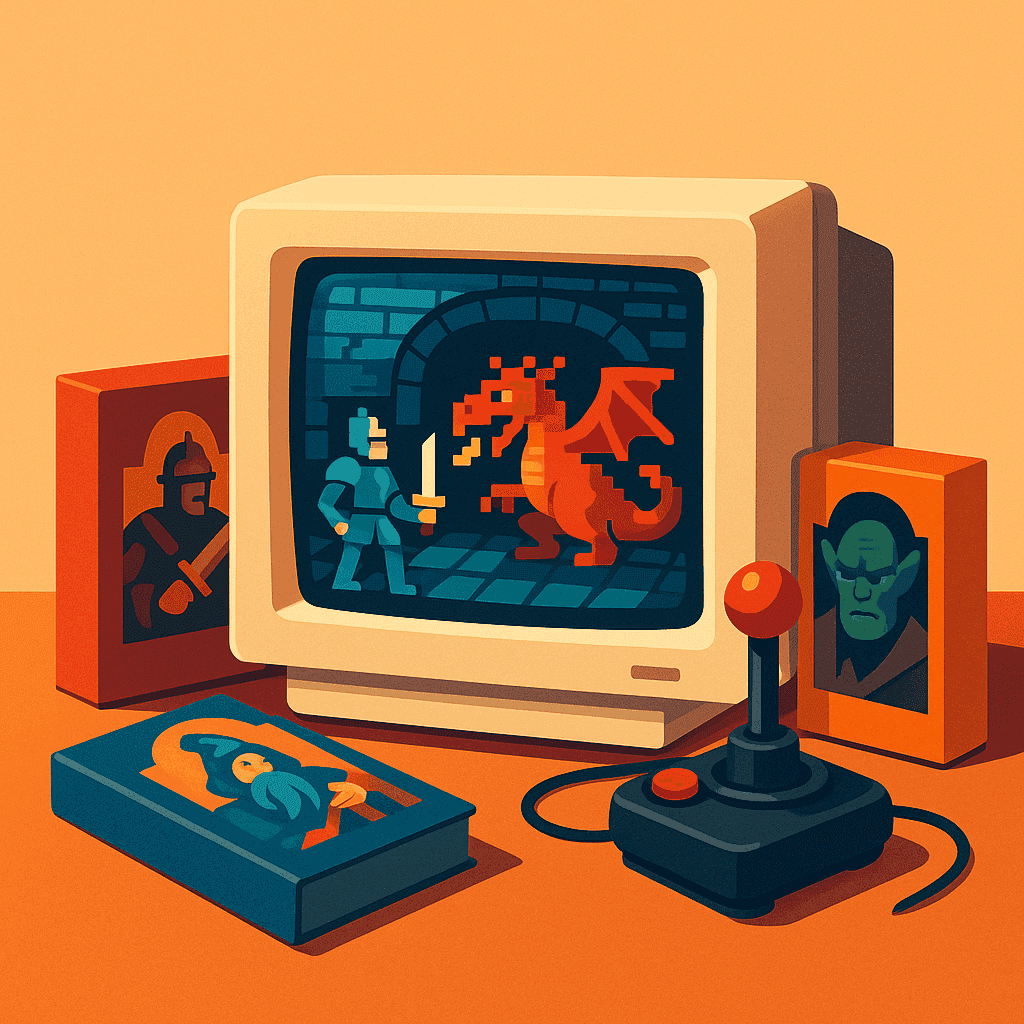
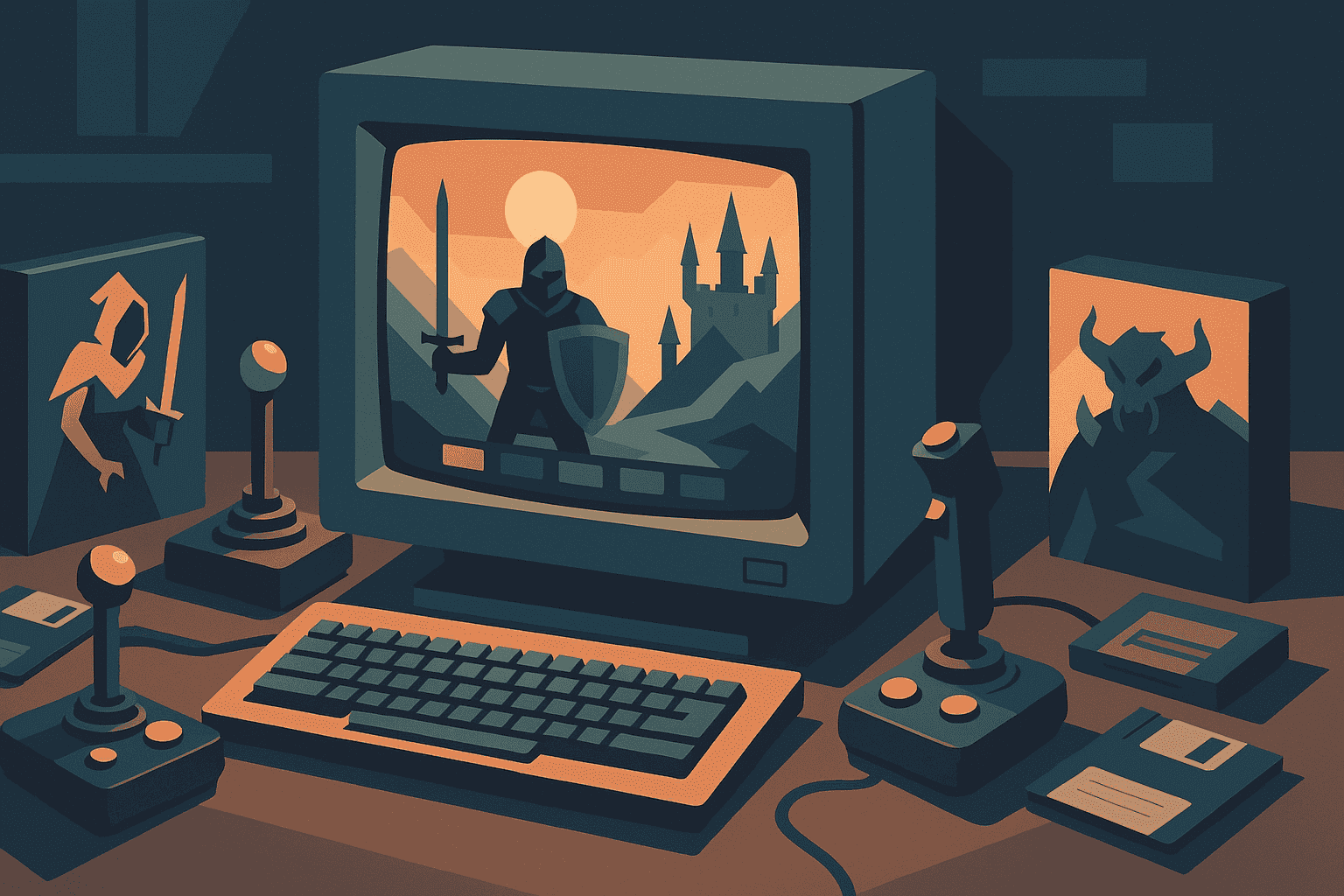
The hum of a CRT monitor powering on was the prelude to countless gaming adventures. Its phosphorescent glow and the tactile feedback of button clicks defined the era of DOS gaming. These bulky monitors, with their curved screens and deep cases, were more than just a display; they were the theater in which the drama of gaming unfolded, pixel by pixel.
From Shadows to Pixels: The Evolution of CRT Monitors
Before flat panels and OLEDs took over, CRT monitors were the backbone of computer displays. Initially developed for television, CRTs became integral to computing and gaming by the 1980s. These monitors used electron beams to illuminate phosphor pixels on the screen, creating images with a characteristic flicker and glow. This technology was crucial for early gaming, providing the visual fidelity needed to appreciate the intricate graphics of the time.
CRTs brought games to life in a way that complemented the limited color palettes and resolution of early DOS titles, making them indispensable for gamers of the era.
The CRT Experience: Visuals and Sounds of a Gaming Era
The visual warmth of CRTs was unmatched. Unlike modern displays, CRTs offered a softer image with deep blacks and vibrant colors that seemed to leap from the screen. The scan lines that appeared on these monitors became a defining aesthetic of the time, giving games a distinct look that many associate with classic gaming.
But it wasn’t just about the visuals. The sounds of a CRT were part of the experience too—the cathartic click when switching it on, the gentle hum of its operation, and the static buzz when the screen turned off. These elements created an immersive atmosphere, drawing players into another world with every session.
The Setup Ritual: Memories of Booting Up on CRTs
The process of setting up a CRT for gaming was a ritual. First, you would need to ensure a stable connection between the computer and monitor, often fiddling with the massive VGA cables. Once powered on, the display would take a few moments to warm up; meanwhile, the room would fill with the whirring of fans and the clicks of floppy disks or CDs loading the game.
These moments of anticipation were part of the magic. As the screen came to life, so did the adventure, making the waiting worthwhile. This ritual was a cherished part of the gaming experience, offering a moment of calm before the digital storm.
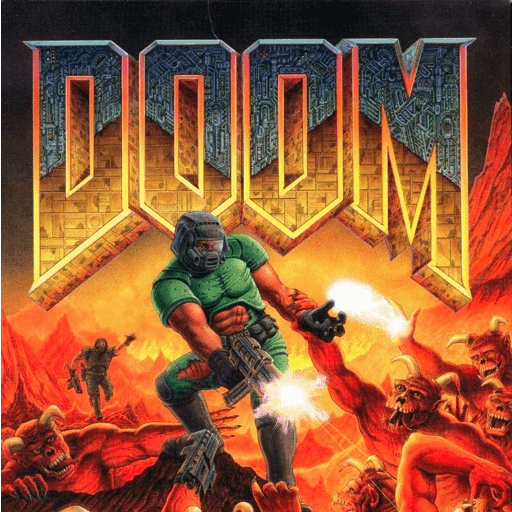
Highlighting DOOM: The Game That Roared on CRT Screens
Few games exemplified the CRT gaming era like DOOM. Released in 1993, this first-person shooter took full advantage of the vibrant, fast-refreshing capabilities of CRTs to deliver an intense, immersive experience. The dark, foreboding corridors of DOOM were perfectly rendered on these screens, with every shadow and monster brought vividly to life.
The CRT’s ability to handle rapid motion ensured that players could react to on-screen threats with precision, a necessity in the frenetic pace of DOOM’s gameplay. The game’s atmospheric soundscapes, coupled with the monitor’s tactile feedback, amplified the tension, making it a cornerstone of the gaming world.
CRT vs. Modern Displays: What’s Changed?
Today, gamers enjoy the crisp clarity of modern LED and OLED screens, but something is lost in translation from the CRT days. Modern displays offer higher resolutions and refresh rates, yet they lack the unique warmth and depth that CRTs provided. Scan lines, once a visual necessity, have become a nostalgic feature emulated by enthusiasts seeking to recreate the authentic retro experience.
While new technology excels in performance and efficiency, it is the imperfections of CRTs that many remember fondly. They were not just screens but companions in the immersive journey of classic gaming.
CRT monitors were more than just displays; they were gateways to fantastical worlds and unforgettable moments. Their distinctive characteristics shaped an era of gaming that remains deeply cherished by those who experienced it. As gaming technology continues to evolve, the legacy of CRTs lives on, a reminder of the simple pleasures of early gaming.
Related articles
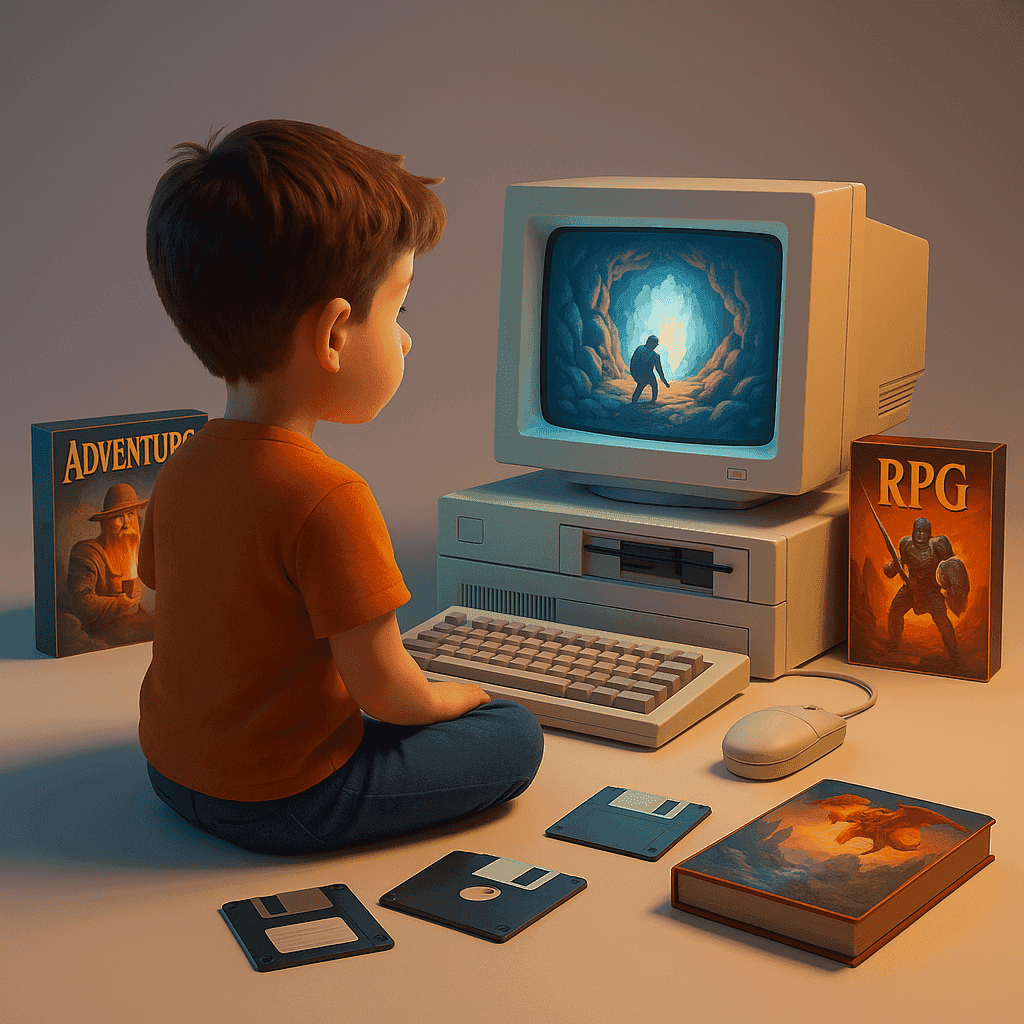
Nostalgia: The DOS Games That Defined Our Childhood
A heartfelt exploration of how classic DOS games like Quest for Glory II and Ultima VII shaped our childhood, delving into their emotional and cultural impacts.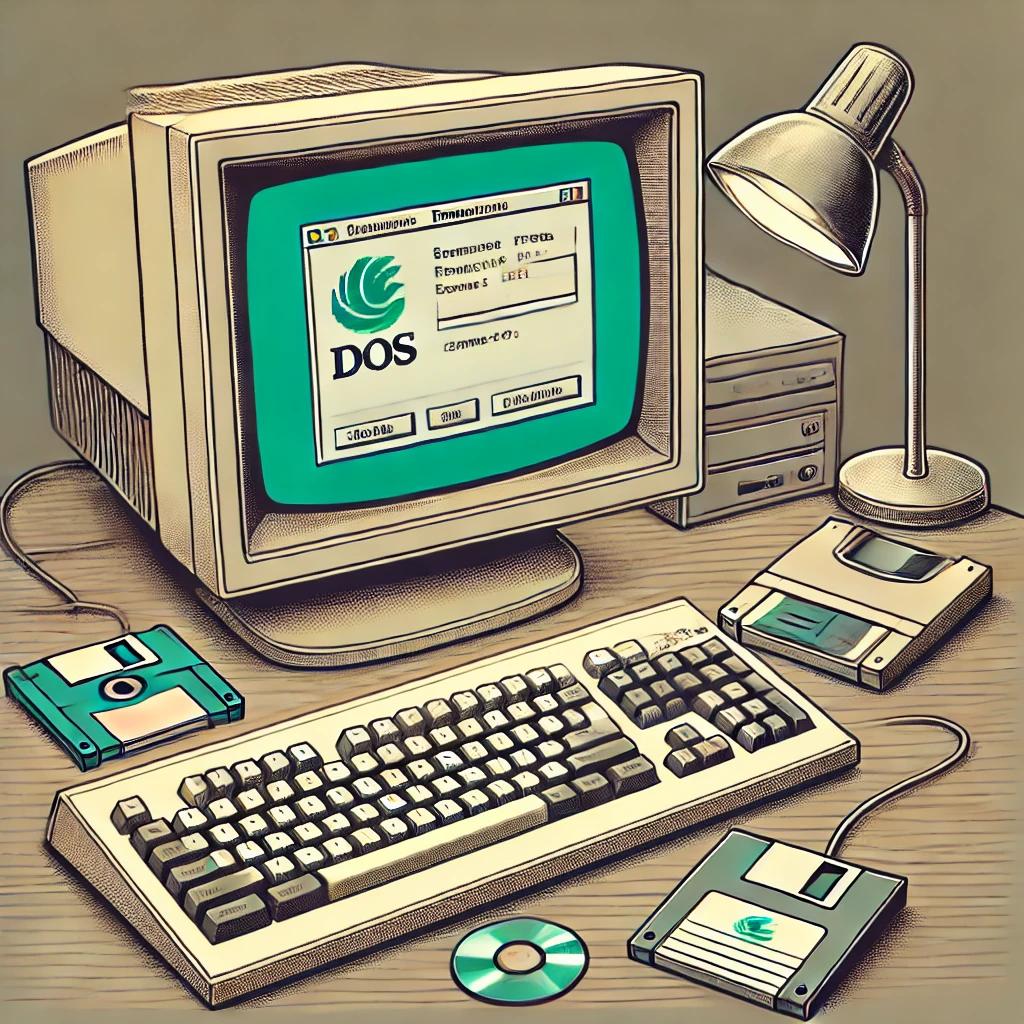
The Evolution of DOS Emulators
Explore the evolution of DOS emulators, from early command-line tools to modern virtual environments. Learn how they preserve legacy software and ensure compatibility with today’s systems.