Myths and Realities of DOS Gaming
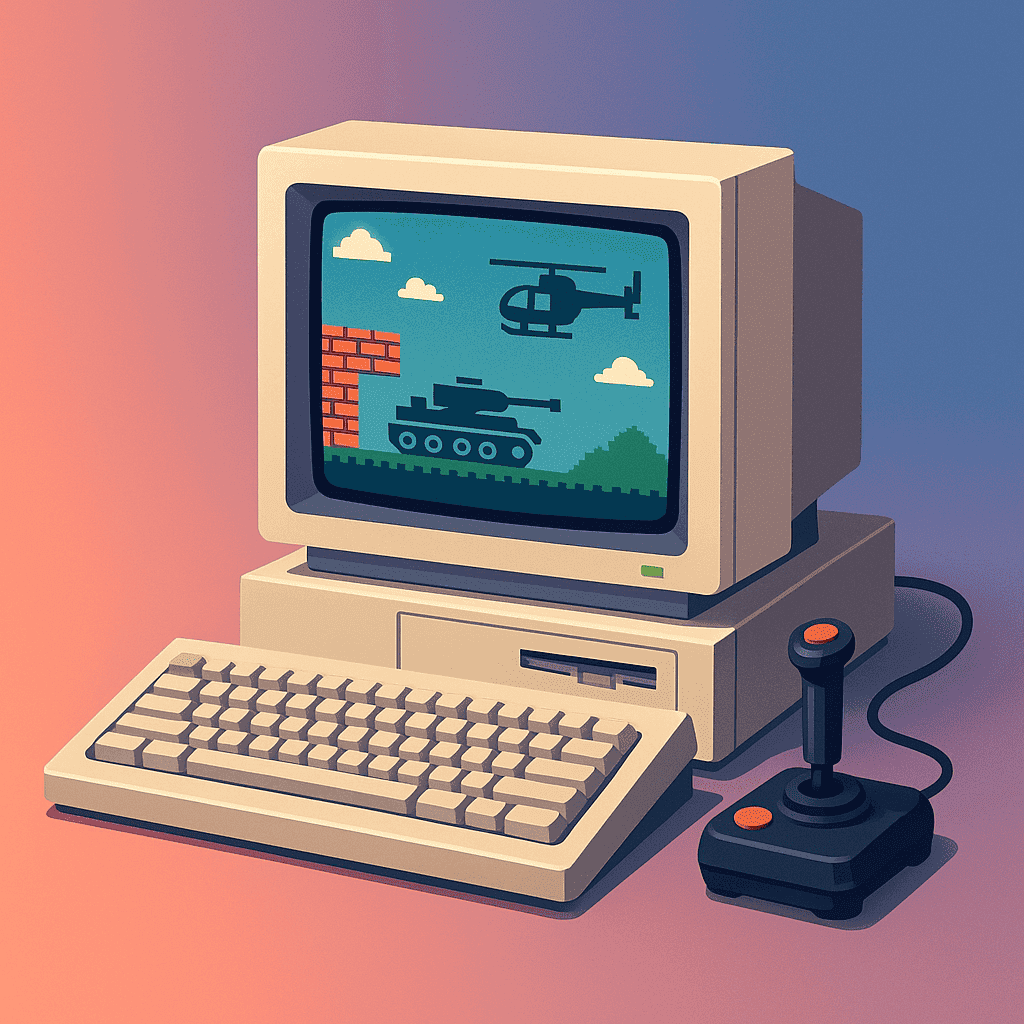
From the early days of personal computing, DOS games have held a special place in the hearts of gamers worldwide. However, over the years, several myths have clouded our understanding of this golden era of gaming. Whether springing from nostalgia or misunderstanding, these myths can overshadow the true legacy of DOS gaming. Let’s dive into these myths, understand their origins, and uncover the reality behind them.
The Visual Splendor: More Than Just Text
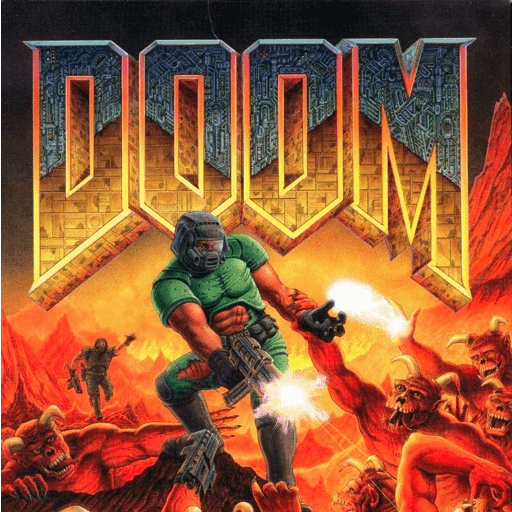
One of the most pervasive myths is that DOS games were primarily text-based, offering little in terms of visual appeal. While early titles like Zork indeed relied on text to weave their narratives, the DOS era quickly evolved to include graphically impressive games. Consider DOOM, a revolutionary first-person shooter that dazzled players with its 3D environments and dynamic action. Released in 1993 by id Software, DOOM not only set a new standard for graphics but also for immersive gameplay, debunking the myth that DOS games were all about text.
A Diverse Audience: Beyond the Nerd Stereotype
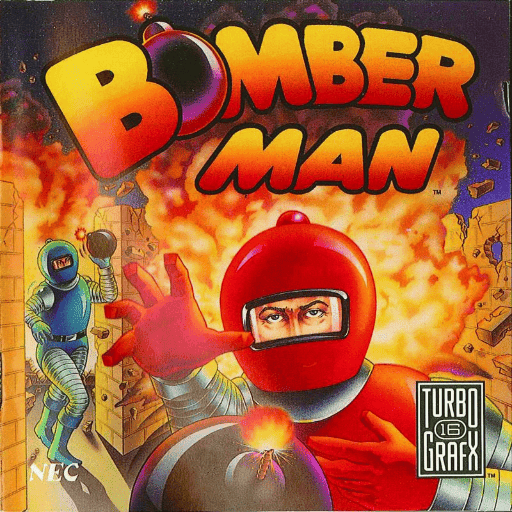
The stereotype that DOS games were only enjoyed by ‘nerds’ is another persistent myth. The truth is, DOS gaming attracted a broad audience, from hardcore enthusiasts to casual players. Titles like Bomberman, with its simple yet addictive gameplay, captured the hearts of players across different demographics. Even non-gamers found themselves drawn to the vibrant mazes and strategic challenges presented by Bomberman, demonstrating that DOS games had universal appeal.
DOS Games: Far from Obsolete
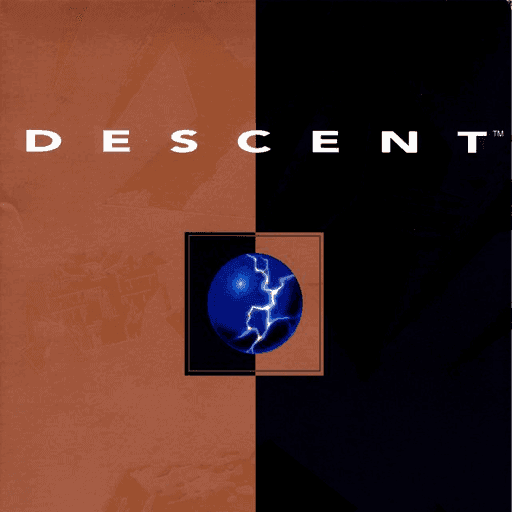
Contrary to the belief that DOS games are obsolete, many of these classics have experienced a resurgence thanks to modern technology. Emulators and online platforms have made it easier than ever to access and play these titles. Games like Descent continue to entertain new generations, showcasing the timeless appeal of their innovative mechanics. The zero-gravity shooter, originally released in 1995, remains a favorite for players seeking a unique gaming experience beyond contemporary titles.

User-Friendly Experiences: Accessible DOS Games
Many people believe that all DOS games were notoriously difficult to play. While some titles certainly posed a challenge, others were designed with accessibility in mind. Epic Pinball, for example, offered intuitive controls that allowed players to jump right into the action. Published by Epic MegaGames in 1993, this digital pinball game became a go-to for both skillful and casual gamers looking for quick entertainment, proving that DOS gaming was not universally difficult.
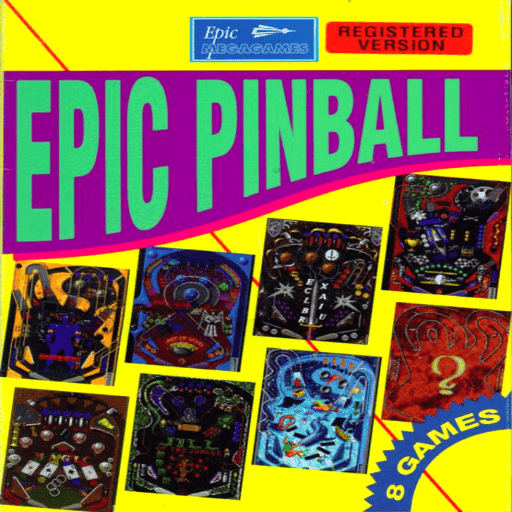
Epic Pinball
The Enduring Legacy: DOS Gaming’s Lasting Influence
The notion that DOS gaming was just a fleeting phase is easily dismissed when considering its lasting impact on the industry. Many modern games trace their roots back to concepts first popularized during the DOS era. The influence of DOS games is evident in today’s titles, which continue to build on the foundation laid by classics like DOOM. This legacy cements DOS gaming as a pivotal chapter in the evolution of digital entertainment.
Understanding the myths and realities of DOS gaming enriches our appreciation for these classic titles. By dispelling misconceptions, we open the door to a more nuanced exploration of gaming history. Next time you boot up a DOS game, remember the vibrant stories and groundbreaking mechanics that continue to inspire and challenge us today. Dive into the world of DOS games with fresh eyes and discover the truth behind the myths.
Related articles

The Educational DOS Games That Shaped a Generation
Explore the cultural and educational impact of DOS games designed for learning, and how they influenced schooling and childhoods in the late 20th century.
The Retro Hardware That Shaped Gaming: A Love Letter to the CRT
Exploring the nostalgic connection between CRT monitors and the gaming experience they provided.