Best Oregon Trail Game Versions Ranked by Era: Which One Should You Play?
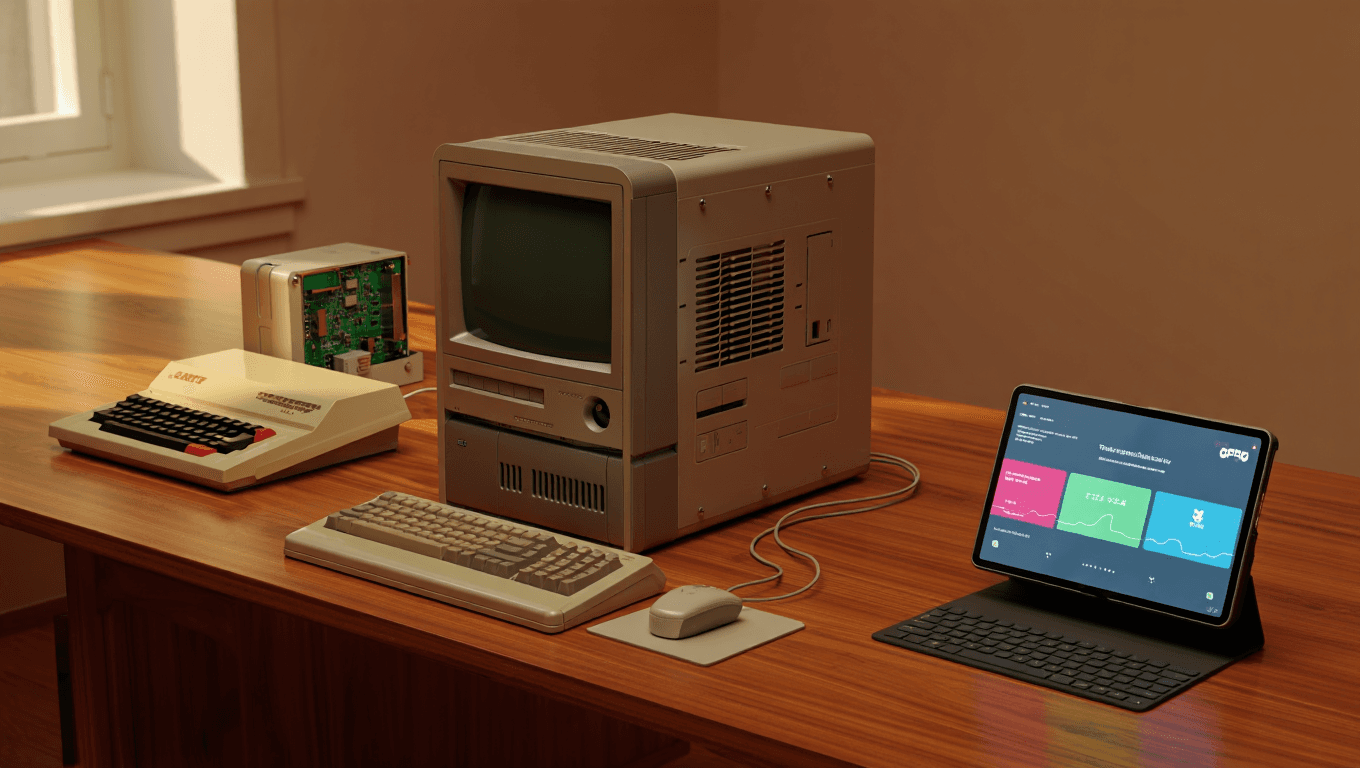
When people talk about the Oregon Trail game, they often mean very different things. Some remember green text on black screens in school computer labs. Others remember colorful menus, cleaner graphics, and updated mechanics. Newer players might only know modern remakes that feel more like story-driven games than classroom simulations.
That’s because there isn’t just one Oregon Trail. There are many versions, released across different eras, each shaped by the technology and educational goals of its time.
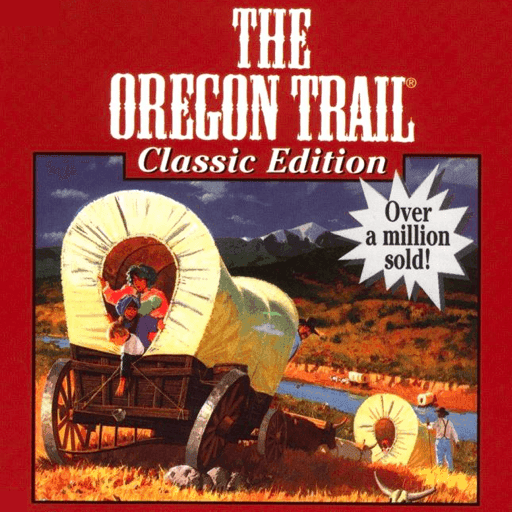
The Oregon Trail
So if you’re asking which is the best Oregon Trail version, the real answer depends on what you want out of the experience. Nostalgia, learning, challenge, or accessibility all point to different choices.
This guide breaks down the major versions by era, explains what each one does best, and helps you decide which version fits you.
The Early Classroom Era: Where It All Began
The Original Oregon Trail on Early School Computers
The earliest Oregon Trail versions were built for school use, not entertainment markets. These versions focused almost entirely on decision-making and consequences. Graphics were minimal. Text did most of the work.
This era includes versions associated with early Apple II games, which is where many people first encountered the trail. You chose supplies, managed pace, crossed rivers, hunted, and dealt with illness through simple prompts.
The Oregon Trail
What made these versions powerful was clarity. There were no distractions. Every screen pushed you to think about survival and planning. That’s why this era defined classic Oregon Trail for an entire generation.
Strengths:
- Strong focus on decision-making
- Clear cause-and-effect learning
- Excellent for understanding basic trail mechanics
Limitations:
- Very limited visuals
- Little narrative depth
- Harder for modern players to access
For many, this era still represents the purest form of the game.
The MS-DOS and Early Windows Era: Peak Nostalgia
Oregon Trail Deluxe and Similar Versions
As home computers became more common, Oregon Trail evolved. Graphics improved. Menus became easier to navigate. Small animations were added. Hunting became more interactive.
For many players, this is the version they remember most vividly. It balanced learning with entertainment while staying true to the original structure.
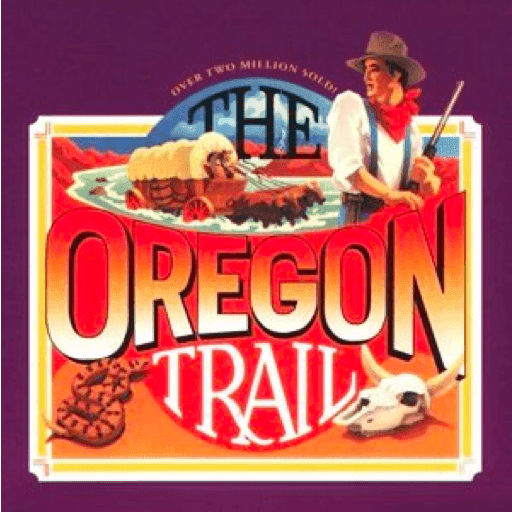
The Oregon Trail Deluxe
This era is often considered the golden age of retro educational games. The game still felt serious, but it was more engaging visually. You could see landmarks. You could track your journey more clearly.
Strengths:
- Iconic look and feel
- Balanced education and fun
- Memorable sound and visuals
Limitations:
- Still limited narrative
- Simplified interactions by modern standards
If your memory of Oregon Trail involves beige computers and computer labs, this is likely your reference point.
The 1990s to Early 2000s: Expanding the Formula
More Detail, More Personality
As educational software expanded, Oregon Trail versions began adding personality. Characters had names and small backstories. The game leaned more into storytelling while keeping its core mechanics.
This era introduced more variety in events and slightly deeper simulation. You could feel more connected to your party, which made losses more emotional.
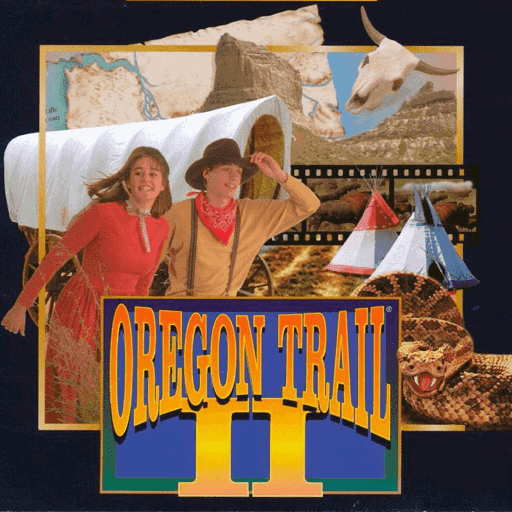
Oregon Trail II
This period also marks a shift from purely educational software toward games that could stand on their own as entertainment. Oregon Trail started to feel like a game people might play at home, not just in school.
Strengths:
- More immersive experience
- Stronger emotional connection
- Expanded event variety
Limitations:
- Still constrained by educational focus
- Not as deep as modern strategy games
These versions are often remembered fondly because they added warmth without losing the challenge.
The Mobile and Casual Era: Accessibility First
Oregon Trail for Phones and Tablets
As gaming moved to mobile devices, Oregon Trail followed. These versions were designed for quick sessions and broad appeal. Interfaces became touch-friendly. Mechanics were simplified to fit shorter attention spans.
These versions made the game more accessible to people who never experienced it in school. You could play without knowing its history. The game explained itself.
However, this accessibility sometimes came at a cost. Some complexity was removed. Decision-making felt lighter. The pressure was reduced.
Strengths:
- Easy to pick up
- Accessible to new audiences
- Fits modern play habits
Limitations:
- Less strategic depth
- Reduced challenge
- Shorter-term engagement
If your goal is casual exploration rather than deep strategy, this era works well.
The Modern Remake Era: Story and Representation
The Modern Oregon Trail Remake
The most recent modern Oregon Trail remake takes a noticeably different approach. It leans heavily into narrative, character diversity, and historical reflection. It aims to update the experience for modern audiences, both in tone and content.
This version focuses less on punishing difficulty and more on storytelling. Characters have voices, personalities, and backgrounds. The journey feels more like an interactive story than a survival simulation.
It also attempts to address some historical blind spots by offering broader representation and context.
Strengths:
- Strong storytelling
- Modern visuals and accessibility
- More inclusive perspective
Limitations:
- Less emphasis on raw difficulty
- Reduced resource management pressure
For players interested in story and context rather than pure challenge, this version may feel like the best Oregon Trail version available today.
Comparing the Versions by What They Do Best
Best for Pure Strategy and Learning
Early classroom versions and MS-DOS editions win here. They focus tightly on decision-making, planning, and consequences. If you want to understand why Oregon Trail became such a strong teaching tool, start here.
Best for Nostalgia
The 1990s versions dominate this category. They balance visuals and mechanics in a way many people remember vividly. These are often considered the definitive classic Oregon Trail experience.
Best for New Players
Modern remakes and mobile versions are easier to approach. They explain systems clearly and feel familiar to players used to modern interfaces.
Best for Storytelling
The newest remake stands out. It’s less punishing but more emotionally rich. If you want character-driven experiences, this is where to look.
Why There Is No Single “Best” Version
The Oregon Trail has survived for decades because it adapts. Each era reflects what people wanted from games at the time.
Early versions prioritized learning and clarity. Later versions added personality. Modern versions focus on story and inclusion.
Calling one version the “best” ignores what the others do well. Instead, it’s more accurate to see the game as a timeline of design philosophy.
That’s why retro educational games like Oregon Trail remain relevant. They evolve without losing their identity.
How to Choose the Right Version for You
If you want challenge and systems thinking, choose an older version. If you want nostalgia, pick a 90s-style edition. If you want story and accessibility, choose the modern remake.
The key question is not “which is the best Oregon Trail version,” but “what experience am I looking for right now?”
The answer to that will guide you better than any ranking.
Why Oregon Trail Still Works Across Eras
Despite changes in technology, the core of Oregon Trail remains strong. You make choices. You manage limited resources. You face uncertainty.
Those mechanics don’t age. They just get dressed differently.
Whether you’re playing text-based Apple II games or a modern remake with rich visuals, the underlying tension remains the same. That’s why the game keeps returning.
It adapts because the core idea is timeless.
Final Thoughts
The Oregon Trail is not one game frozen in time. It’s a living series that reflects decades of changing ideas about learning, storytelling, and play.
Each version offers something unique. Together, they show how a simple concept can survive generations.
The best Oregon Trail version is the one that gives you the experience you want right now. And that’s exactly why the game still matters.
FAQs
Which Oregon Trail version is the most authentic?
The earliest classroom and MS-DOS versions are the most authentic in terms of survival pressure and decision-making focus.
Is the modern Oregon Trail remake worth playing?
Yes, especially if you value storytelling and accessibility. It offers a different experience rather than a replacement for older versions.
Why are older Oregon Trail versions harder?
They emphasize consequences and resource scarcity. Modern versions reduce difficulty to appeal to wider audiences.
What made the Oregon Trail a classic?
Its ability to teach planning, risk management, and consequences through interactive play made it one of the most memorable retro educational games ever created.
Can beginners enjoy Oregon Trail today?
Absolutely. Modern versions are beginner-friendly, while older versions reward patience and strategic thinking.
Related articles
Why burntime’s post-apocalyptic strategy still matters
Explore why Burntime's unique blend of strategy, survival, and storytelling remains relevant to gamers today, offering timeless gameplay that modern titles struggle to match.
How Robinson’s Requiem Crafted a Survival Masterpiece on DOS
Explore how Robinson's Requiem built a rich, immersive world despite the technical limitations of DOS gaming.