Colorado’s Frontier Quest and Its DOS Heritage
Published by Silmarils for DOS in 1990, Colorado is a restless hybrid: an action-adventure that borrows from survival stories and trading journeys. It came from a time when computer games blended ideas freely, and Colorado’s excitement comes from uncertainty. One moment you are pushing forward with confidence, the next you are improvising because the land, the wildlife, or a sudden encounter refuses to cooperate.
The premise is deliciously direct. You are drawn by rumors of a Cheyenne goldmine and pulled onward by the promise that the next stretch of frontier might finally reveal the path to riches. Colorado does not treat that goal as a tidy checklist; it treats it as an obsession that makes you take risks.
Colorado’s Flip-Screen Wilderness and Arcade Tension
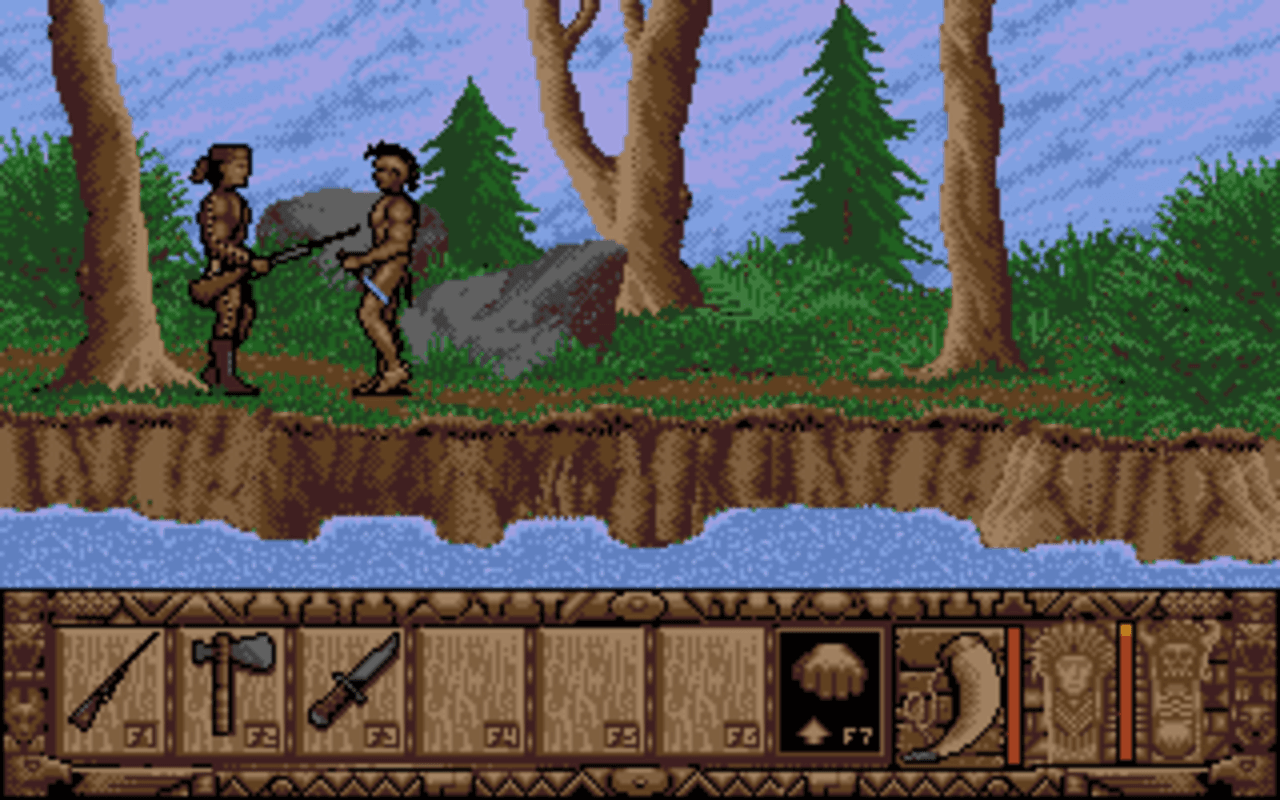
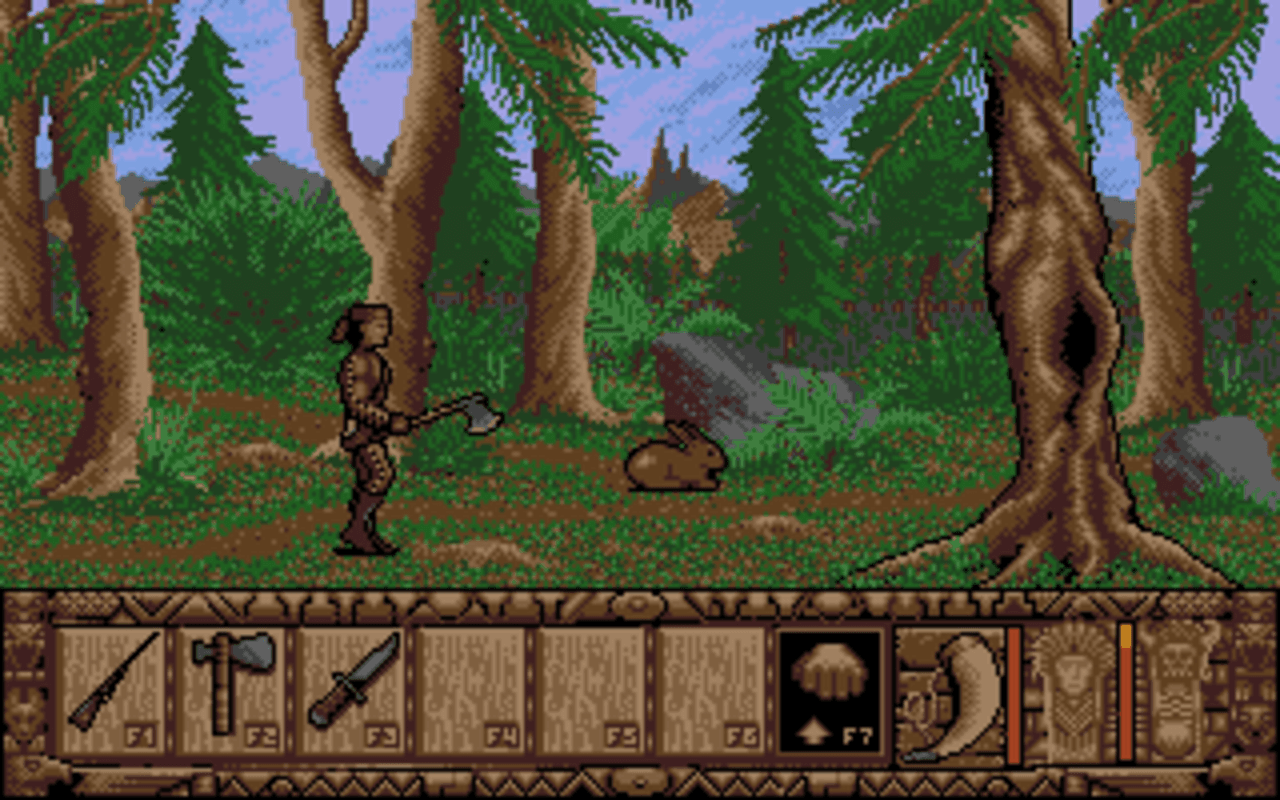
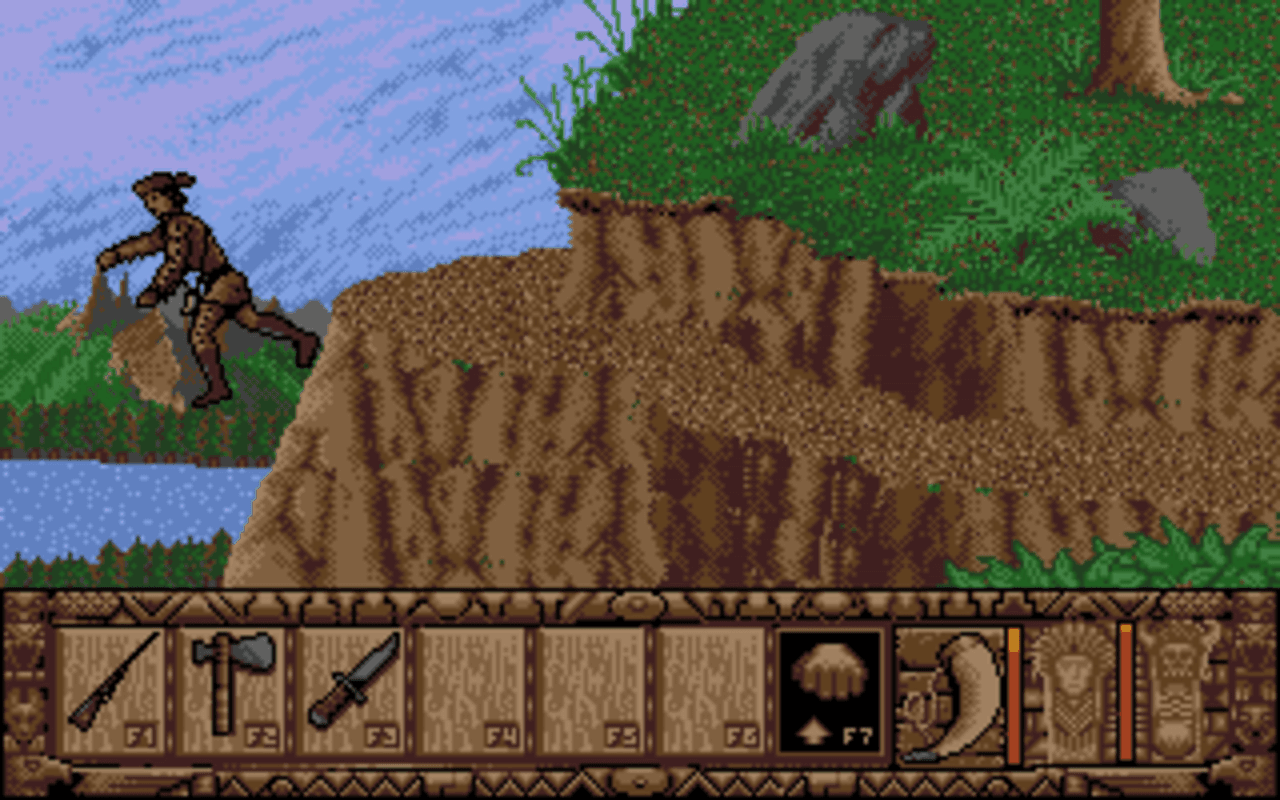
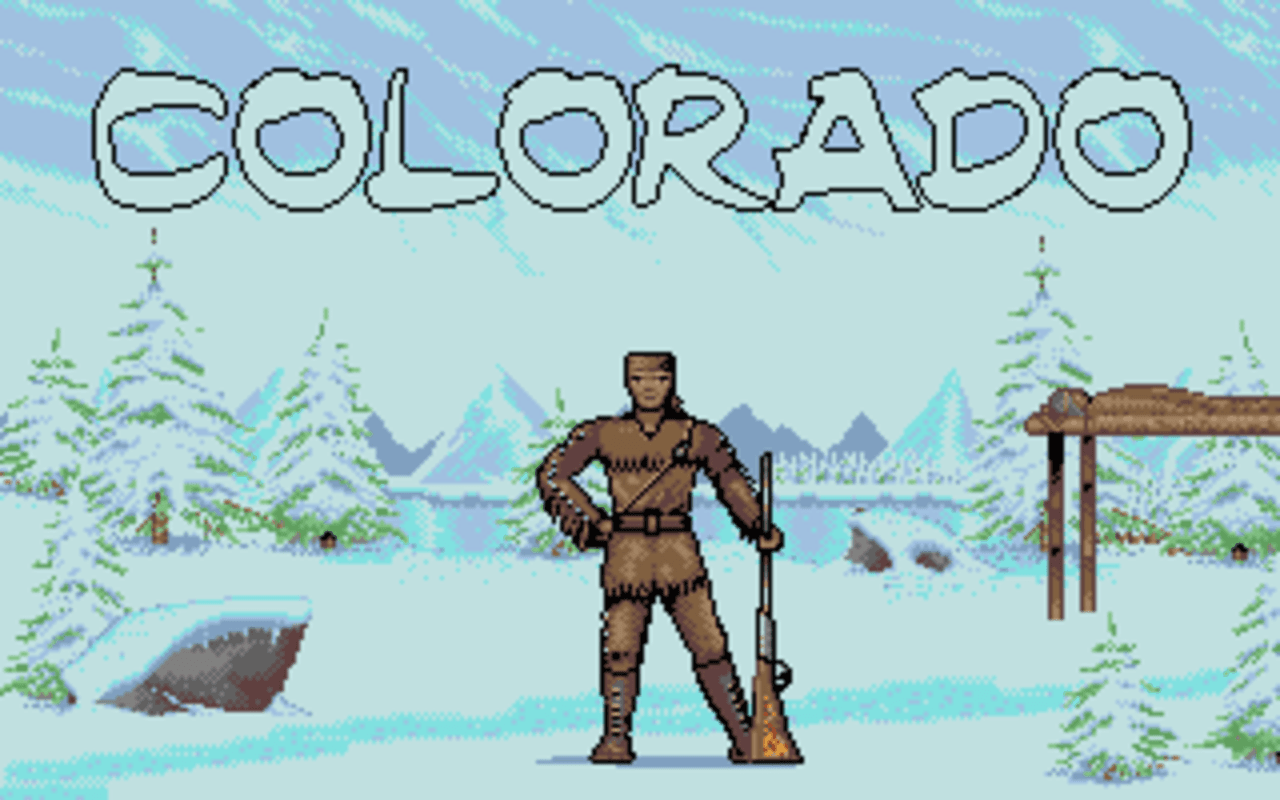
Visually and structurally, Colorado leans on a side-view, flip-screen approach. Each screen is a compact slice of wilderness or settlement, and crossing into the next area feels like stepping into a new problem with new timing. That format keeps the pace punchy: you can learn a location quickly, fail quickly, and try again with better judgment.
The action is rarely “fair,” but it is usually readable. Threats announce themselves through movement and spacing, which means you can survive by watching carefully and refusing to rush. When combat flares up, it can feel like a brawler in miniature; when travel dominates, it becomes more like an adventure game where positioning and tools matter as much as nerve.
Colorado also sneaks in a sense of economy. Trading and scavenging are not treated as complicated math, yet the game still nudges you to think about what you carry and what you can afford to waste. That layer changes how you approach danger: a risky fight is not only a question of skill, but a question of whether the cost will slow your larger journey.
What gives Colorado its most distinctive personality is its willingness to let you tinker. Alongside expected frontier weapons, it offers odd objects that can be used in creative ways, encouraging experimentation that turns a tough screen into a clever escape.
Play Colorado online for a Free Wild West Game
Because Colorado’s challenges are immediate and its screens are bite-sized, it translates smoothly into short, casual sessions. Play Colorado online and you can jump in free, in a browser, and even on mobile devices without restrictions, letting the game’s mix of action and exploration fit into quick breaks or long evenings.
Playing this way also highlights how well the design teaches through pressure. Colorado rarely pauses to lecture; it asks you to learn by moving, reacting, and adjusting your plan. The goldmine quest stays in the background as a clear motivation, while the foreground is all about managing risk and deciding when to push forward.
Chasing the Cheyenne Goldmine, Building Your Own Western Story
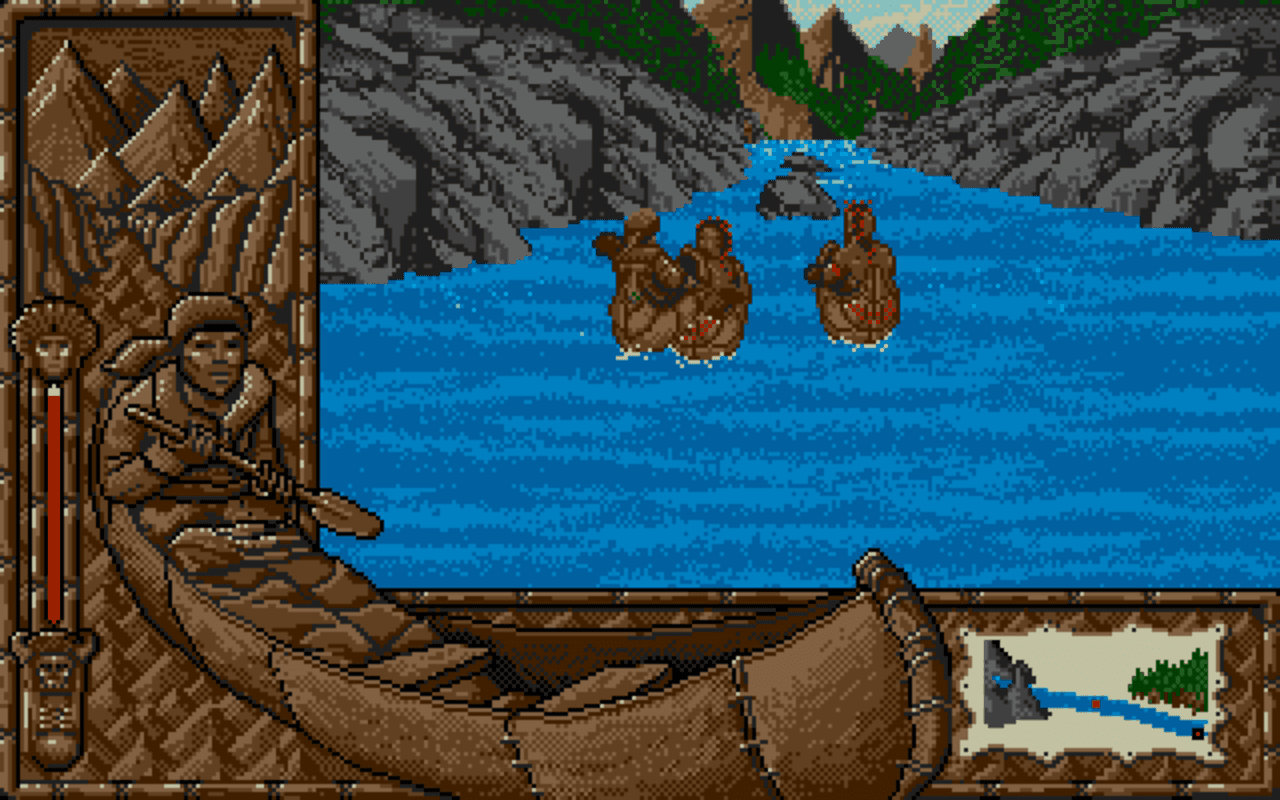
Colorado’s story is more like a trail of intentions than a script. You chase a legend across towns, rivers, and open country, and the Old West theme shapes the mood of the trek and the kinds of trouble that interrupt it, from harsh travel to sudden confrontations.
That light storytelling has a benefit: your version of Colorado becomes personal. You remember the time you gambled on a risky route, the moment you found a tool that changed how you handled danger, or the run where caution finally beat bravado. It lands best when you treat it as pulp adventure rather than documentary history.
The presentation supports that feeling by keeping the world readable and the tone rugged. Atmosphere comes from rhythm: quiet movement, sudden peril, then the relief of reaching the next safe stretch. That cadence is why the gold hunt feels like a journey instead of a mere objective.
Why Colorado Still Feels Fresh When You Return to It
What keeps Colorado engaging is the balance between reflex and judgment. You can’t coast on fast reactions alone, and you can’t overthink without getting cornered. The game rewards patient observation, smart item use, and the humility to retreat when a screen turns ugly.
Part of the satisfaction is learning the game’s private language. You start to recognize which hazards want careful timing, which ones can be sidestepped with positioning, and which situations are best solved with a surprising item rather than a straight fight. That learning curve is where Colorado shifts from punishing to playful, because it becomes less about enduring random trouble and more about making confident, informed choices.
It also has a pleasing sense of discovery. Encounters and resources can push you toward different choices, so repeat runs often become about traveling smarter, spending less, and keeping momentum without letting the wilderness dictate every decision.
If you want a classic DOS game that mixes exploration, action, and a touch of economic survival, Colorado still delivers a distinctive ride. In practical terms, control is simple: move with care, time your jumps and steps, and use your action and item commands deliberately when danger appears, because impulsive button-mashing usually makes the frontier harsher.
All used codes are publicly available, and the game belongs to its original authors.